If you're touring the UK and Ireland for the first time, it can be hard to know where to start. There are so many rich attractions and experiences to be found across these world-renowned tourist destinations. That's why we have put together all the must-see highlights across the Britain and Ireland, each carefully chosen for their cultural, natural, or historical significance. These are the essentials for first-time visitors — starting points to experience the best of each destination.
What's in this article
Jump to sections:
Cliffs of Moher County Clare, Ireland
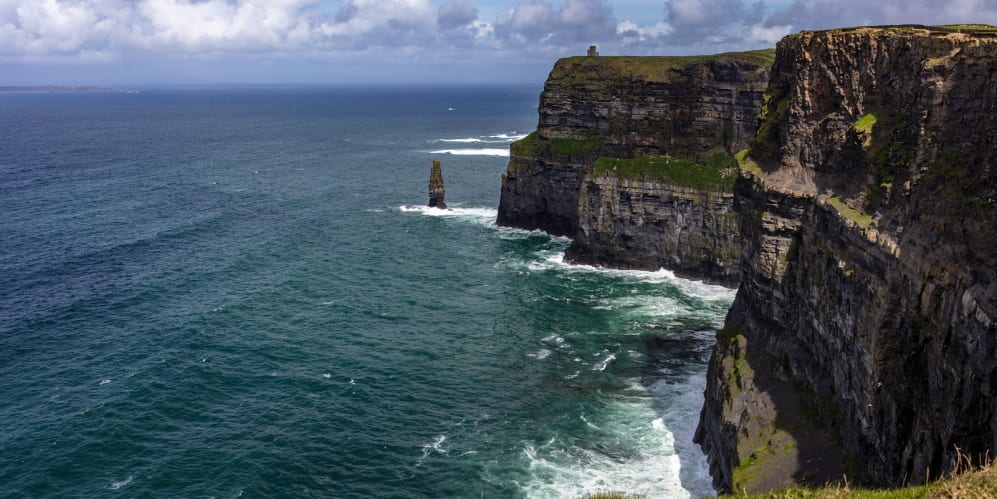
Attracting an estimated 1.5 million visitors each year, the Cliffs of Moher are Ireland's most popular natural attraction. Stretching for 8km (5 miles) along the Atlantic coast and soaring to 214m (702ft) at their highest point, they offer sweeping views across the ocean, with the Aran Islands visible on clear days. The historic O'Brien's Tower, first erected in 1835, has long served as a prime viewing point, while the modern Visitor Centre, opened in 2007, provides context and facilities for guests. Nature lovers will find plenty to admire here, from dramatic rock formations to the estimated 30,000 seabirds nesting along the cliffs, including razorbills, guillemots, and the much-loved puffins.
Entry fees include access to the Visitor Centre, its car park, café, and shops. Known for its sparse signage and occasional overcrowding along the main paths, the cliffs are best explored with an experienced guide, while keeping a safe distance from the edge. As visitor numbers continue to grow, ongoing conservation efforts — from designated nature reserves to sustainable tourism initiatives — aim to protect this unique landscape, ensuring that future generations can experience its raw beauty and untamed charm.
Ring of Kerry County Kerry, Ireland
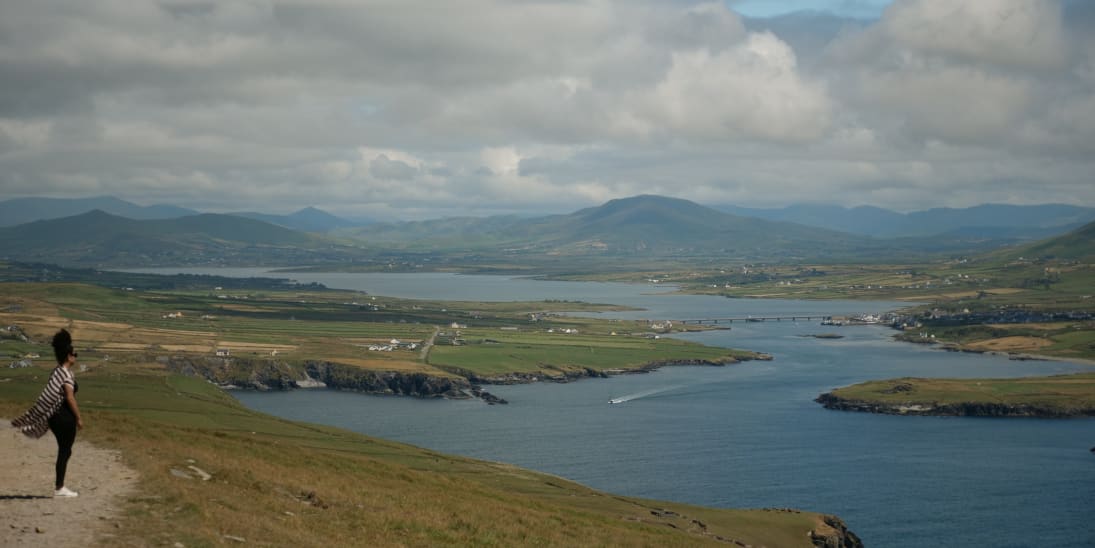
A 110-mile route of idyllic views, lush grasslands and coastal cliffs, the Ring of Kerry is arguably Ireland's most famous drive. With an estimated 1.1 million visitors each year, the Ring of Kerry has been a jewel in the crown of the Irish southwest for decades. You'll find most people say that the stretch between Waterville and Caherdaniel is the most picturesque, but you'll be hard pressed to find any part of the Ring of Kerry that doesn't warrant a stop for at least a quick snap. Coming off the loop, you can explore the Macgillycuddy's Reeks — the highest mountain range in Ireland — or simply take in the views of the Atlantic Ocean from the seemingly endless vantage points dotted throughout.
The roads of the Ring of Kerry are notoriously narrow, presenting some of the most nerve-wracking driving challenges of your life. If you are doing a self-drive, be prepared for some hair-raising squeezes between the oncoming traffic and stone walls. Most visitors choose to travel with a tour group or an experienced local driver — allowing you to enjoy the passing scenery without worrying that you will end up in a ditch.
"The kilometres on a map don't tell you how tiny a back road is. In theory it's an 80 km zone, but there's no way you're doing more than 55 - you just physically can't. Whatever time Google Maps gives you, add a half hour to 45 minutes on top of that to get a realistic estimate. You look at an itinerary and think 'why are they so far apart?' - but it actually makes complete sense, because you barely make it." - Shannon O'Brien, Tour Sales and Operations Manager
Your best time to visit the Ring of Kerry is at the start and end of the tourist season. Early May or late September will give you the best chance of decent weather without having the overcrowding issues that can be common during July and August. If you are planning a trip in the high season, starting your tour early in the morning is essential if you want to avoid the bottlenecks of later in the day.
Trinity College & Book of Kells Dublin City, Ireland
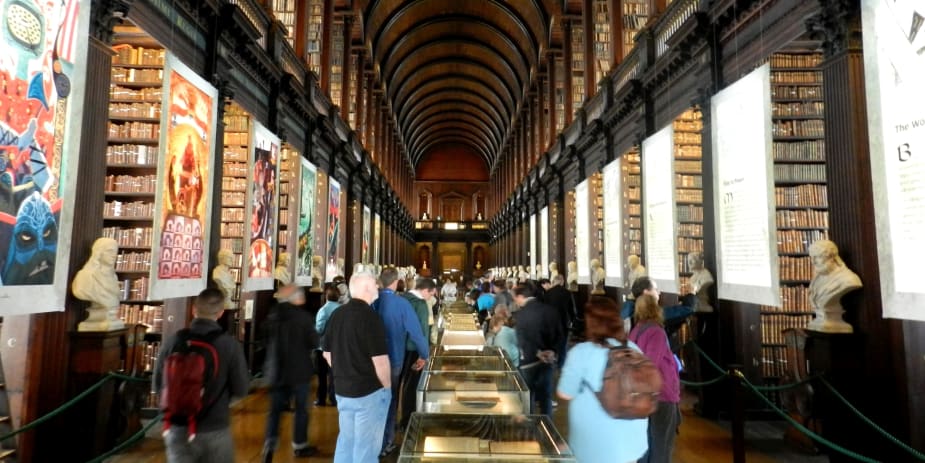
Located in the heart of Dublin City, just a few minutes' walk from Grafton Street and Temple Bar, Trinity College is one of Ireland's most prestigious and historic buildings. Best known for being home to the Book of Kells, a 9th-century brightly illuminated manuscript of Latin Gospels. Tracing its origins to the Scottish island of Iona, the book was brought to the town of Kells in County Meath for safekeeping during Viking raids, before eventually being transferred to Trinity College in 1653. As the pages of the book are turned only once in a while, behind glass, visitors will only see two pages at a time per visit.
The other main attraction of Trinity College is the Old Library Long Room. As the name suggests, this is 65-metre long (213 ft) library hall. Home to some 200,000 ancient and rare books towering above you on stunning oak shelves. There is also a marble bust gallery of history's greatest minds, including Newton, Swift and Aristotle. You'll see Ireland's oldest surviving harp, the Brian Boru Harp, and the original Proclamation of the Irish Republic from 1916.
This is very much an attraction for history buffs or architects, younger children may lose interest quickly and the majority of visitors may find the entire experience somewhat stiff. During peak season, expect crowds during late mornings and afternoons — for a quieter visit aim for early morning or late afternoon.
Giant's Causeway County Antrim, Northern Ireland
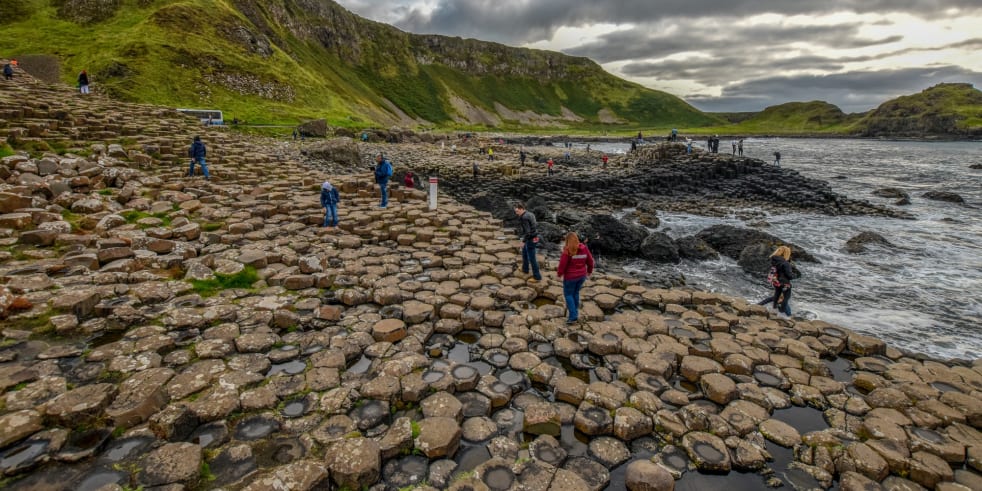
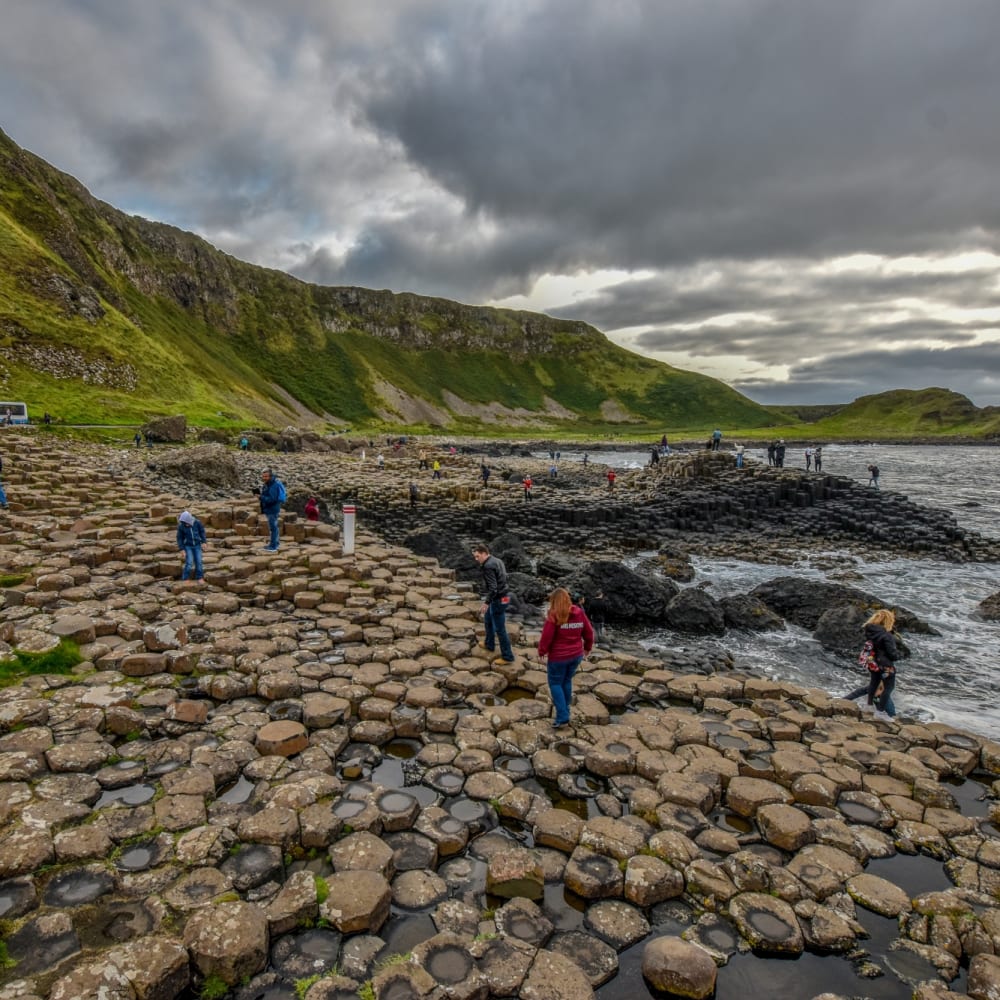
Northern Ireland may not boast as many natural wonders as the Republic, but the one it is known for arguably outshines them all. The Giant's Causeway is a hexagonal series of around 40,000 basalt columns stretching along the northern coast of County Antrim. Created by volcanic activity over 50 million years ago, legend has it that these stones once formed a bridge built by the giant Finn McCool to cross the sea and confront his Scottish rival, Benandonner.
Visually, there are few more stunning attractions on the island of Ireland, but the overall experience can leave some visitors underwhelmed. The Visitor Centre is a bit on the pricey side, parking can be confusing, and younger children will get bored easily. As the common saying about the Giant's Causeway goes: 'It's worth seeing, but not worth going to see'.
The Dark Hedges County Antrim, Northern Ireland
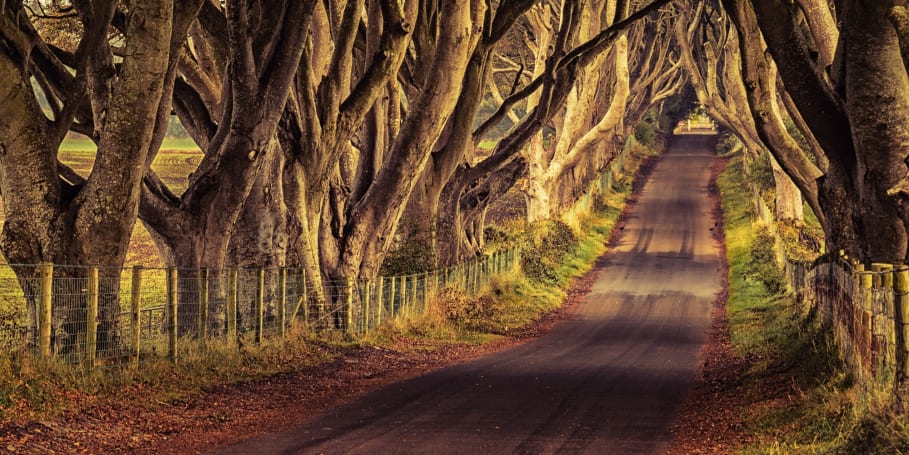
Most famous today as a haunting backdrop in Game of Thrones, the Dark Hedges is a beech-tree-lined avenue officially known as Bregagh Road, in County Antrim. The trees were originally planted by the Stuart family in 1775 to line the entrance to Gracehill House. Over time, their twisted trunks and interlocking branches created a natural tunnel with a spooky atmosphere — making it a go-to spot for film crews and fans alike.
One thing many visitors don't realise is that the Dark Hedges sits on a narrow back road in rural County Antrim - there's no bus service that will take you there. You'll need your own car or a specialist tour departing from a nearby city. It's also located about a 1.5-hour drive from the Game of Thrones Studio Tour, so combining both in a single day is a stretch. The Giant's Causeway and Bushmills Distillery are a much more natural pairing for a full day out.
Top tip from our travel expert: "The Dark Hedges is a tricky journey along back roads off a town - you'd have to drive there, or book one of the specialist Game of Thrones tours that leave from Dublin." - Shannon O'Brien, Tour Sales and Operations Manager
In truth, the Dark Hedges is worth a stop if you're passing through, but it's more of a brief stop than a half-day excursion. It's a great spot for photography year-round — in winter, the bare branches give the area an added spookiness. If you have a wide angle lens, get down low for the best leading lines and overall compositions. During peak summer months, you will be battling with lines of tripod-wielding photographers all jostling for the perfect shot. Early mornings and late evenings offer you the best chance to beat the crowds. Following the storms of 2023 and 2024, many of the older, more fragile beech trees were felled, so expect to see more gaps than you might see in older photos.
Facilities at the Dark Hedges are limited — there's no café or toilets near the lane itself, though there are options nearby. The avenue has been pedestrian only since 2017; vehicles are no longer permitted.
Titanic Exhibition Belfast City, Northern Ireland
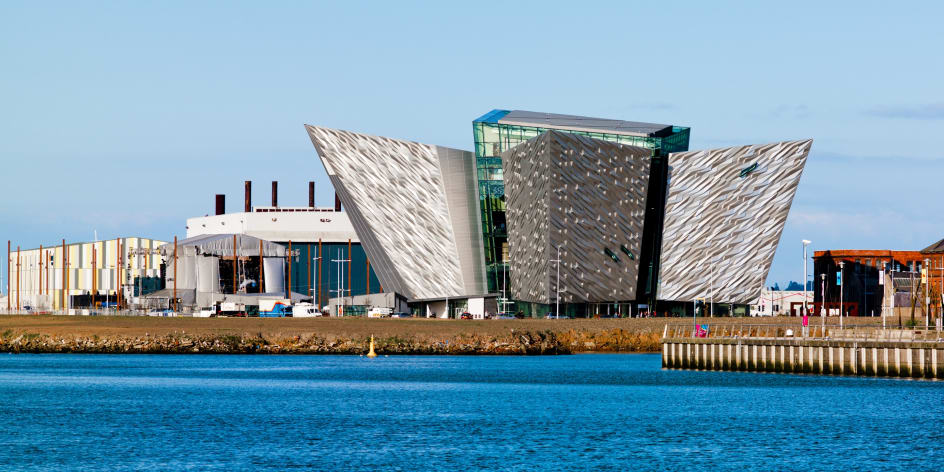
Did you know that the Titanic was built in Belfast? On the north side of the city lies Titanic Quarter, where the ship was designed and constructed in the early 1900s. The centrepiece attraction is Titanic Belfast — a multi-story angular building opened in 2012 to mark the 100th anniversary of the ship's sinking.
Inside, nine interactive galleries explore the story of the Titanic from design to disaster. Expect ride-style experiences, floor-to-ceiling projections, and recreated cabins from different classes. A highlight is the view over the actual slipway where Titanic and her sister ship, Olympic, were built. After the main exhibition, visitors can board the SS Nomadic — the last remaining White Star Line vessel — which is berthed right next door.
Titanic Belfast is open daily, but it can get very busy, especially in summer and on weekends. We strongly recommend booking tickets online in advance to avoid disappointment. Average visit time is around two hours. There's a café and gift shop on-site.
Edinburgh Castle Edinburgh, Scotland
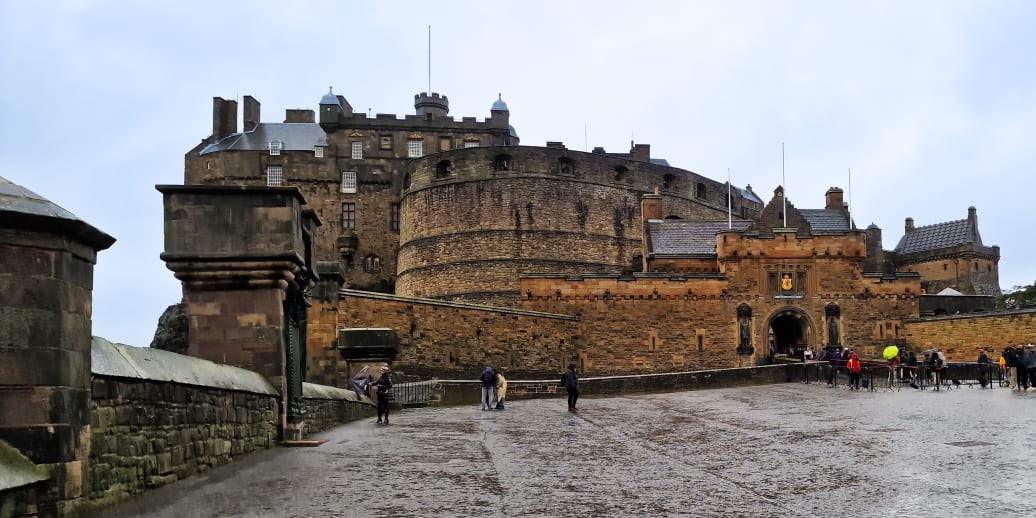
Sitting atop Castle Rock — a 900 year old volcanic plug — Edinburgh Castle has stood as a defining feature of the city skyline for over a millennium. Throughout this time, it has been used as a prison, a fortress and a royal residence. Today, it's Scotland's most visited attraction, home to the Scottish Crown Jewels, the Stone of Destiny as well as the city's oldest surviving building: St Margaret's Chapel. Visitors get a deep-dive into the history of the local area and Scotland as a whole — from medieval sieges to the Wars of Scottish Independence — with every corner seeming to reveal its own tale. A guided tour is strongly recommended, as many of these tales are not explained in detail otherwise.
Highlights include the Royal Palace, the National War Museum, and if the timing aligns — the daily firing of the One O'Clock gun, a tradition where a blank round from a canon is shot towards Edinburgh Harbour (fired daily, except Sundays, Good Friday and Christmas Day). There are several cafés and gift shops within the grounds, and as the castle sits at the end of Edinburgh's main thoroughfare, the Royal Mile, you'll find no shortage of amenities just outside the gates. The approach to the castle and some of the pathways on the grounds can be steep and uneven — so visitors with mobility issues should ideally be accompanied by someone a bit more sure-footed.
Loch Ness The Highlands, Scotland
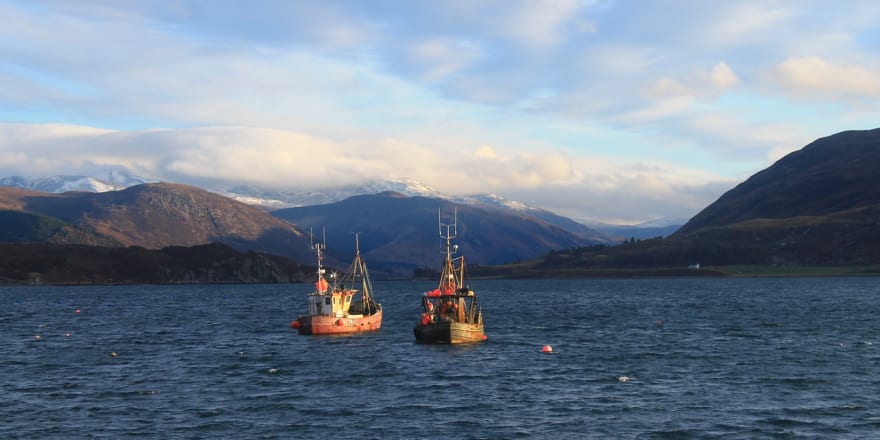
World-famous due to what may lie beneath, Loch Ness is the largest body of freshwater in Britain. Forged by glacial activity over 10,000 years ago, it stretches for 23 miles (37 km) through the Scottish Highlands — reaching depths of up to 750 feet (228.6 metres). Highlights in the area include the atmospheric ruins of Urquhart Castle on the western shore and the ever-popular boat cruises. Featuring top-of-the-range sonar equipment and a sense that Nessie (the Loch Ness Monster) could make an appearance at any moment, the tours are a hit for visitors of all ages.
The weather here can be unpredictable, even in summer months, it's best to be prepared for rain and wind. Mist and fog can reduce visibility of the water, but there's enough picturesque villages and panoramic views along the way to make it worthwhile. A guided tour of the lake and its surrounding area is highly recommended, as the must-see points are well spread out and not easily reachable without local knowledge.
Ben Nevis Fort William, Scotland
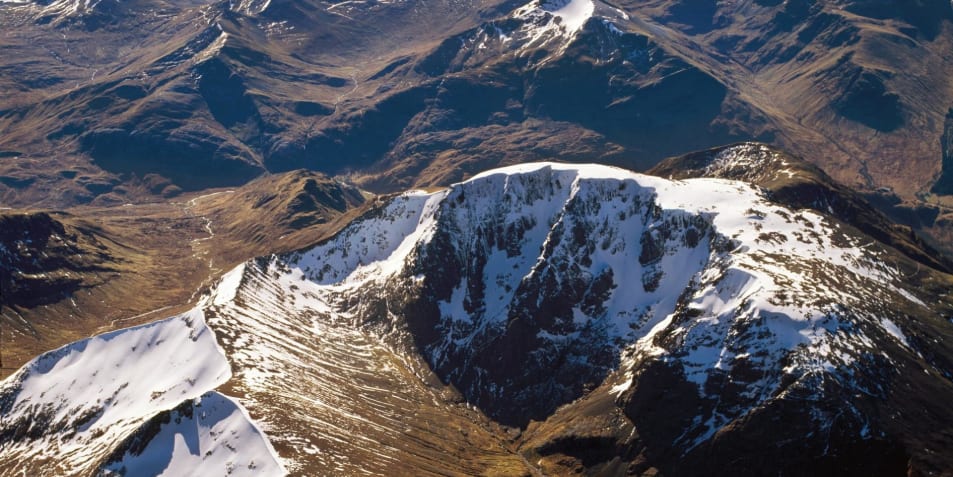
Rising to 4,413 feet (1,345 metres), Ben Nevis is the tallest mountain in the British Isles and a mecca for nature lovers and hikers alike. Formed over 350 million years ago from the remains of a collapsed volcano, it stands proudly in the Scottish Highlands just outside the town of Fort William. The most popular route to the summit is the Mountain Track, also known as the Tourist Route — a well-worn path that typically takes around 6 to 8 hours for a round trip. On a clear day, those who reach the summit are rewarded with stunning views stretching as far as Northern Ireland and the Isle of Skye.
But taking on Ben Nevis is far more demanding than a casual walk. Proper gear and a decent level of fitness are essential, as well as an acceptance that the weather can change in a flash. Sadly, accidents and deaths are not uncommon, often caused by poor preparation. For peace of mind, hiking Ben Nevis with a professional guide is a must, especially for those unfamiliar with mountainous terrain. For those looking to take in the scenery without the climb, the nearby Nevis Range gondola on nearby Aonach Mòr offers majestic views and photo opportunities with minimal effort — ideal for casual explorers and families.
Stonehenge Wiltshire, England
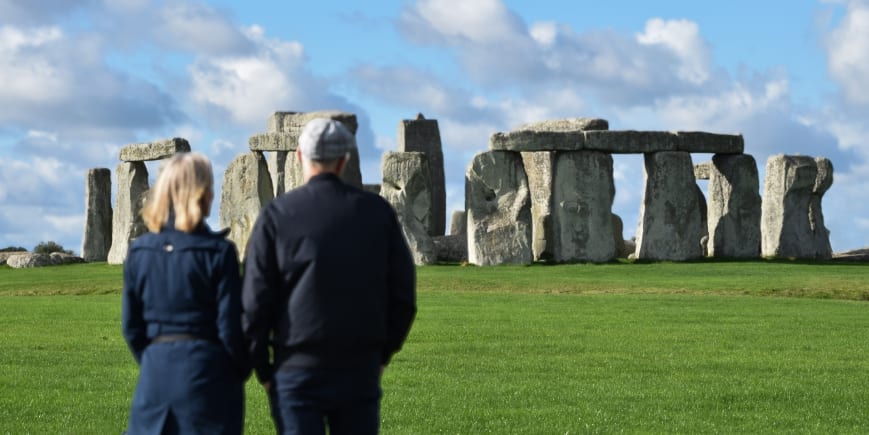
Built between 3000 to 2000 BC, and today standing as one of the world's most famous prehistoric sites, Stonehenge's exact purpose still remains a mystery to this day. Made up of massive sarsen stones from Marlborough Downs (25 miles) and smaller bluestones from Wales' Preseli Hills (150+ miles), Stonehenge is arranged in vertical pairs with horizontal lintels, forming a horseshoe aligned to the movements of the sun. An incredible feat by today's engineering standards, and almost unthinkable with prehistoric tools. Stonehenge has been a UNESCO World Heritage Site since 1986.
On a visit to Stonehenge, there are a few practical points to keep in mind. Access to the stones is restricted — they are roped-off so the closest you'll typically get to them is about 25 feet. From the visitor centre, a shuttle bus (part of the ticket price), runs to the monument every 15 minutes, with the journey taking about 5 minutes. As the site is entirely open-air and set in the middle of a field, it's best to bring rain clothes and waterproof shoes as the English weather, even in the southwest, can be unpredictable.
Lake District Cumbria, England
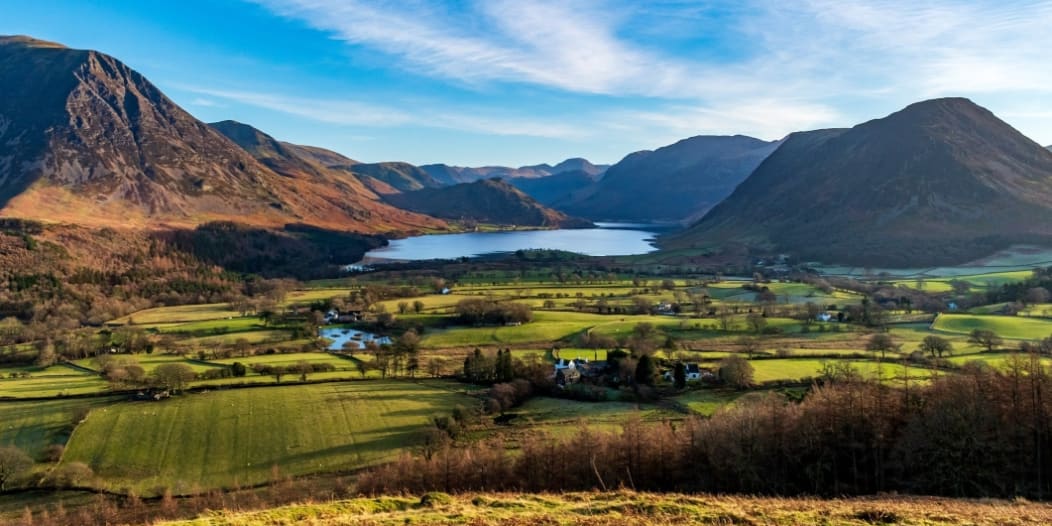
Located in north-west county of Cumbria, the Lake District is a national park known for its stunning mountains, lakes and walking trails. It is home to England's deepest lake (Wastwater) and its highest peak Scafell Pike (978m), as well as the tranquil waters of Derwentwater, Ullswater and Windermere.
If you're planning to travel through the Lake District, be prepared for roads that can be tricky to navigate in places, with steep gradients and narrow lanes making up much of the terrain. While there is public transport, it can be limited. The best bus and rail links are found in the towns of Windermere and Penrith. Walks and hikes vary in difficulty and some of the trails are more difficult than expected, so it's best to plan your route according to your experience, especially in unpredictable weather. Accommodation options are diverse — from luxury lakeside hotels to rustic campsites — and tend to book out quickly, particularly during the summer months.
Tower of London London, England
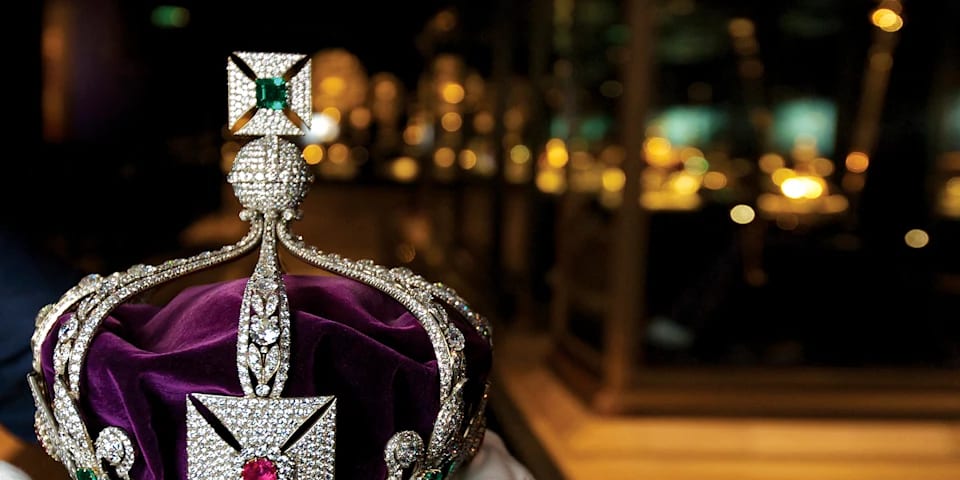
One of Britain's most iconic landmarks, the Tower of London was founded by William the Conqueror during the Norman invasion of England around 1066. Despite its name suggesting a single structure, it is in fact a medieval fortress made up of 21 towers, enclosed by defensive walls and a moat. Over the centuries, its role has evolved — serving as a fortress, royal palace, prison, and treasury. Among its most famous prisoners were Anne Boleyn, wife of Henry VIII, and Guy Fawkes, the man behind the Gunpowder Plot to blow up the British Parliament.
Visitors will find the largest crowds gathering at the White Tower and the Crown Jewels. Allow at least two to three hours to explore, as there is a great deal to see and take in. While entry is on the expensive side, the depth of history and level of detail make it well worth the cost. Note that parts of the site have uneven pathways and stairs, so it may be challenging for those with mobility issues to navigate without assistance.
How to add it to your tour: A visit to the Tower of London will be included on almost all tours of England itineraries, especially those visiting its capital city.
For more information on the Tower of London and the other attractions of England, check out our England Visitor's Guide.
UK & Ireland first-timers: frequently asked questions
How far are the Cliffs of Moher from Dublin?
The Cliffs of Moher are approximately 260 km (160 miles) from Dublin, which translates to a drive of about 3 to 3.5 hours depending on traffic and route. The journey takes you southwest through Counties Kildare, Limerick and into Clare. Many visitors choose to break this drive with an overnight stay in Galway or Ennis, making it easier to visit the cliffs early in the morning or later in the evening when crowds are thinner.
Can I see the Cliffs of Moher and the Ring of Kerry in one trip?
Yes — but plan them as separate days or allow overnight stops. Driving from Dublin to the Cliffs is around 3-3.5 hours; the Ring of Kerry is a full-day circuit and is best enjoyed at a relaxed pace or with an experienced driver.
Is a guided tour better than self-driving for first-timers?
For first-time international visitors, guided tours remove navigation stress, handle parking and local scheduling, and usually include key transfers; self-drive adds flexibility but requires confidence with left-side driving and narrow rural roads.
What currency do I need for a UK and Ireland tour?
The Republic of Ireland uses the Euro (€), while Northern Ireland, Scotland, and England all use the Pound Sterling (£). ATMs and card payments work across borders, but it's worth checking with your bank about international transaction fees. Some establishments near the border may accept both currencies, though the exchange rate may not be favorable.
Will my mobile phone work across the UK and Ireland border?
Yes, but roaming and data plans may change when you cross from the Republic of Ireland into the UK (Northern Ireland, Scotland, England). Since Brexit, some mobile providers treat the UK and EU as separate roaming zones. Check with your provider before you travel to understand any additional charges or data limits.
What are the best ferry/flight connections between Ireland and UK?
Common connections include Dublin (Ireland) to Holyhead (Wales) by ferry, or Dublin to Glasgow/Edinburgh (Scotland) by flight. Ferries take longer (around 3-4 hours) but allow you to keep a hire car, avoiding the hassle of returning one vehicle and picking up another. Flights are faster (around 1 hour) but add airport transfer time at both ends. Your choice depends on whether you value speed or the convenience of keeping the same vehicle.
Is driving in Ireland and the UK difficult for visitors?
Both Ireland and the UK drive on the left side of the road. Rural roads, particularly in areas like the Ring of Kerry, can be narrow, winding, and challenging for those unaccustomed to left-side driving. If you're a first-time visitor or feel uncertain, consider booking a guided tour with an experienced driver who knows the roads and can navigate safely while you enjoy the scenery.
What's the easiest way to use public transport in Dublin?
Dublin buses require exact change if you pay on board - a fact that catches many visitors off guard. The simplest alternative is to pick up a Leap card near the Spire on O'Connell Street for around €5. It can be topped up on your phone and works across Dublin Bus, the Luas tram, and the DART rail line, saving you the hassle of needing the right coins every time you board.
Do I need to buy tickets for the London Underground?
No - just tap your contactless debit or credit card (or phone/watch) at the reader when you board and again when you exit. You are charged only for the distance you travel, not the time. No pre-purchased ticket is needed. The same applies to TfL buses, the Overground, and the Elizabeth line. Many first-time visitors to London spend unnecessary time buying paper tickets at the machines.