Christ Church is the older of Dublin's two cathedrals, and one of the few places where you can stand in a church founded by a Viking king, head down into a 12th-century crypt, and then step out under a stone arch into a museum about the city that grew up around it. It's one of those buildings that rewards you for looking twice. In this guide Sophie Gough, Tourism, Events and Marketing Officer at Christ Church Cathedral, tells us what first-time visitors tend to miss - including the one architectural detail she still can't stop photographing. We've set out the practical side too: how long a visit takes, what the ticket covers, what's down in the crypt, what the belfry climb involves, and how to pair the cathedral with Dublinia next door. When you travel with us at My Ireland Tour, your entry is already included.
What's in this article
Jump to sections:
Tour Gallery

Why visit Christ Church Cathedral?
Christ Church was founded in 1028 by the Viking King Sitric, so its story starts with the Norse city that stood above the river long before the streets you walk today existed. It's been rebuilt, reshaped and loved back into shape many times since, most heavily in the 19th century, and what you walk through now is a medieval cathedral with a fair amount of Victorian restoration. That mix is one part of why it feels like a living attraction to visit, rather than a preserved one.
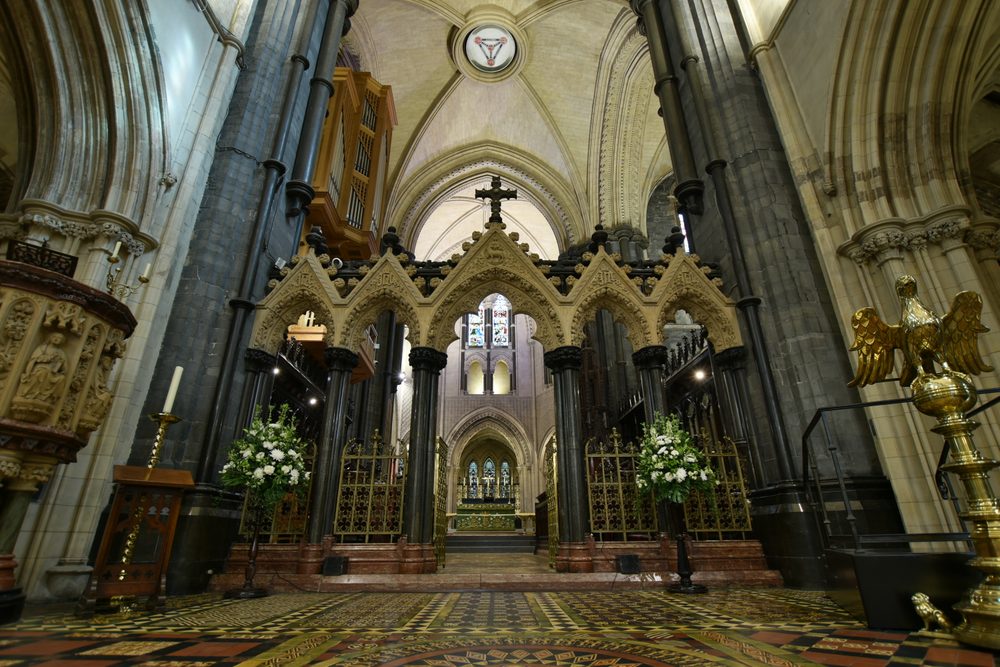
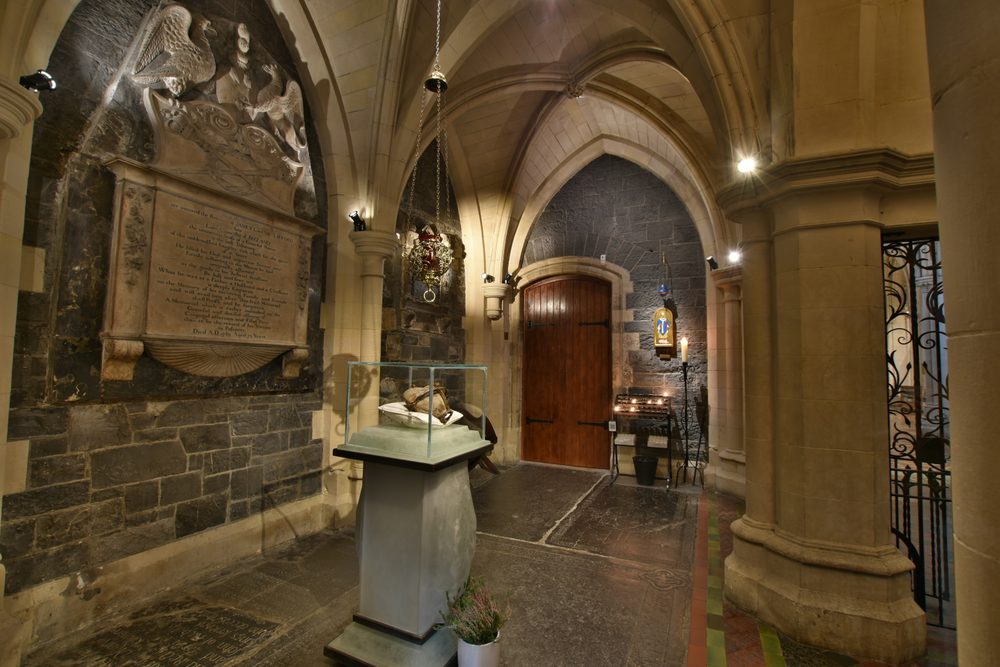
Inside, the nave (the central body of the church, where the congregation sits) opens up long and high, with patterned floor tiles running towards the east end and daylight streaming through the stained glass windows. The two names most visitors come looking for are both here. Strongbow, leader of the Anglo-Norman invasion, lies under an effigy in the nave. In the Chapel of St Laud, an iron cage holds a heart-shaped shrine containing the preserved heart of St Laurence O'Toole, Dublin's patron saint - a relic stolen in 2012 and thankfully recovered in Phoenix Park a few years later.
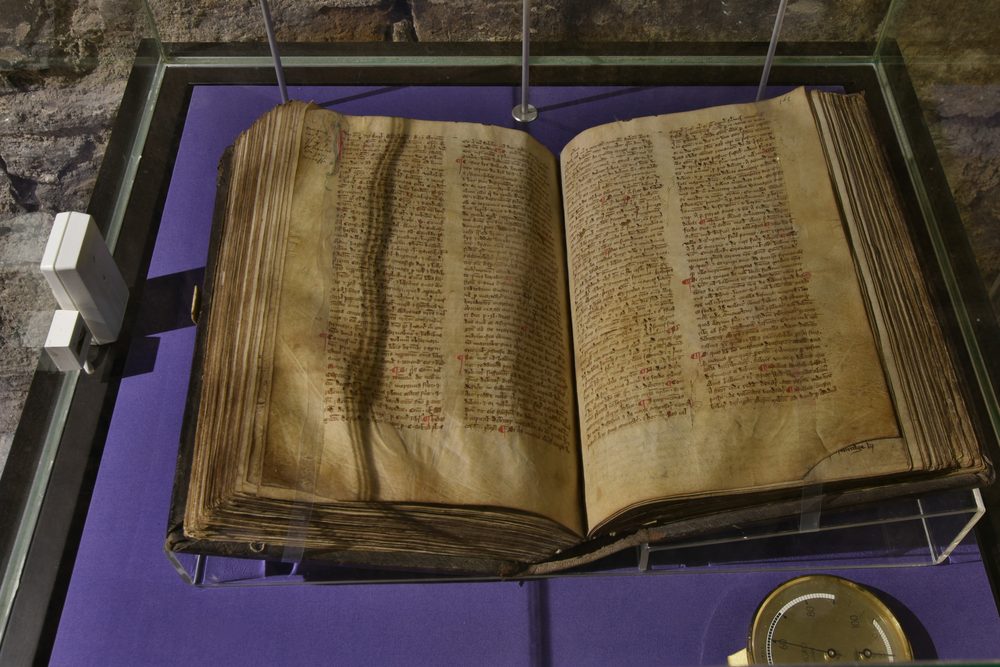
Beneath all of that is the crypt, one of the largest in Ireland and Britain and the reason many people make the trip. It holds the Treasures of Christ Church exhibition, including a 14th-century copy of Magna Carta known as the Magna Carta Hiberniae, the mummified cat and rat Dublin knows as Tom and Jerry, and, set into the floor beside the gift shop, a case where you can look down at the foundations of the original building. The cathedral is also a working church, with services six days out of seven, and Sophie is quick to make the point that anyone is welcome to attend - sitting in to hear the choir fill that space is generously open to everyone, if they wish to experience it.
Essential visitor information
Time needed:
Give the cathedral and the crypt an hour to an hour and a half at an unhurried pace, and don't be surprised if you linger longer than you planned. Add about another hour if you're doing the belfry tour, or allow around two hours in total if you're pairing it with Dublinia.Opening hours:
Hours stretch out through the busier summer months and shorten in winter, and they're adjusted on days when the cathedral choir is singing a service. Check the calendar on the cathedral's own website, or give their office a call for the day you plan to visit, and they will be happy to give you up-to-date hours.Tickets & entry:
Admission is charged, and the ticket covers the cathedral and the crypt, with an audio guide included. Combination tickets covering the cathedral and Dublinia can be bought at either desk. Entry is included when you travel with My Ireland Tour.Getting there:
Christ Church Place, Dublin 8, right in the middle of the old Viking and medieval city. Dublinia is directly across the road, joined to the cathedral by the stone arch over Winetavern Street.Accessibility & facilities:
There's level access from the gates and a ramp at the main entrance. A wheelchair can be borrowed for the length of your visit. Lightweight folding stools are available too, which is worth knowing because there's very little seating down in the crypt. The cathedral publishes a detailed accessibility guide on its website, with photographs, step counts and door widths, and the office is always happy to answer questions before you travel.Kids:
The crypt is the bit children remember, and the mummified cat and rat are the reason. It's dark and low in places as well, just something to be aware of for very young children. The belfry tour isn't suitable for children under 12.What to bring:
Comfortable shoes, a warm layer for the stone interior and the belfry, and a camera. If you're climbing to the belfry, keep your hands free and your bag close.
Hours, services and ticket arrangements shift through the year, so it's worth confirming the details for the day you plan to visit on the cathedral's own website, or by ringing their office.


Considerations from the experts
We never send our guests anywhere we don't know ourselves. After our own visits to Christ Church Cathedral, and after speaking to the internal team, here's what we think you should know.
Do visit it again:
There's a lot of detail in a relatively small building, and the audio guide is designed so you're looking around rather than staring at a screen. It's likely if you visit again you'll see or discover something completely new, or that went unnoticed the first time. It's always worth visiting again if you're in a position to do so.Seating in the crypt:
There are chairs right through the nave, but very little seating once you're down in the crypt, and the crypt is exactly where people want to linger. Folding stools are kept at the welcome desk and you can carry one round with you - nobody will look twice at you for using one, and it makes a real difference if you're travelling with older parents or accompanying someone with reduced mobility.The belfry is a genuine climb:
It's 86 steps up a narrow spiral staircase, then a crossing at roof level, then a much shorter flight down into the belfry itself. It isn't suitable for anyone unsteady on their feet, and not for anyone with a fear of heights or confined spaces. Tall visitors will be crouching. Two members of staff go up with every group, so if you decide partway up that it's not for you, you can be brought back down by one of them, no problem at all.Mobility & access:
This is a medieval building, so there are limits, but a lot's been done to work around them. There's level access from the gates, a ramp at the main entrance and a wheelchair to borrow. Have a look at the cathedral's online accessibility guide before you travel if anyone in your party has specific requirements - it lists step counts and door widths.Hours move with the services:
This is a working cathedral, and when the choir is singing the visiting hours are pulled back to suit. Do check the day you're coming rather than assuming yesterday's hours apply, particularly in winter.Sitting in on a service:
You're very welcome to attend a service, and there's no obligation to take part. Hearing the choir fill that space is one of the loveliest ways to see the cathedral, and it costs nothing beyond the time.Don't skip the gift shop:
It's tucked into the crypt rather than bolted on at the exit, and the display case set into the floor beside it is worth seeing - underneath the glass you can see the foundations of the original building. Alongside the usual gifts the shop carries work by the people who work here, including artwork of the cathedral by Sam Boal. There's something really lovely about being able to bring home artwork drawn by somebody who's a member of the team.Look up as well as down:
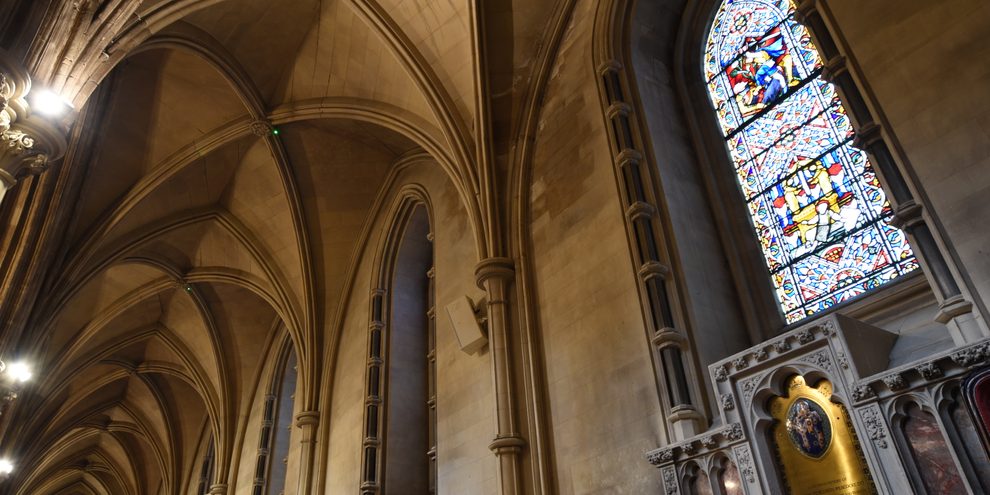
The floor tiles are the first thing everyone notices, and Sophie Gough says that's exactly her tip - people understandably get so caught up in the impressive pattern underfoot - they could walk the whole length of the nave without ever lifting their eyes. Give the ceiling, the architraves and the stained glass a good look up. The windows become something else entirely depending on the light, and it's why Sophie, after years of photographing them, still finds herself doing it again and again. The detail is stunning, and the colour coming through the glass changes the whole room.
Sam Boal's sketches of the cathedral
Sam Boal is a team member of the cathedral, and he's also a photographer and a very talented artist. His artworks of the building are on sale in the gift shop.


Sam's extraordinary artwork is available in the gift shop at Christ Church Cathedral. Sophie kindly took some photographs of it for us.
Tips from the Team

"I assumed the crypt would be a ten-minute walk-through and ended up down there far longer than I expected. Give it proper time, and don't be put off by the stairs - the stairwell's bright and wide with handrails the whole way down."
James, My Ireland Tour
Options and inclusions
A standard ticket covers the cathedral floor and the crypt, and includes an audio guide. You're free to wander at your own pace rather than following a fixed route, which suits a building like this one: the nave and the side chapels reward a slow lap, and the crypt is where most people end up losing track of time.
The belfry is a separate guided tour rather than part of general admission, and it's worth booking ahead for. It runs with a cathedral guide and a second member of staff. Ear defenders are kept at the welcome desk if you'd like them, and ringing one of the bells is a lot harder work than it looks - solid footing and a good grip matter a lot!
If you'd rather arrange the visit yourself, tickets are sold direct by the cathedral. Entry to Christ Church Cathedral is already included on our tours, so there's nothing to book separately if you're travelling with us. The current arrangements are on the official Christ Church Cathedral website.
Q&A with Sophie Gough of Christ Church Cathedral
We put a few questions to Sophie Gough, Tourism, Events and Marketing Officer at Christ Church Cathedral, about what she'd want a first-time visitor to know.
What would you tell a first-time visitor not to miss?
Sophie Gough
"Start with the floor. The tiles are so striking that people tend to walk in looking straight down at them, and then they forget to look up. Give yourself time to take in the ceiling, the architraves and the detail in the stonework, and watch the stained glass when the sun comes through it, because it changes with the type of day. Our audio guide is designed so you're looking around rather than staring at a screen."
What's worth knowing before you go down to the crypt?
Sophie Gough
"Most people come for the cat and the rat, and they're genuinely worth seeing. The thing that surprises people is a small display case set into the floor near the gift shop, only a small section, where you can look down at the foundations of the original building. It's easy to walk past because it's nothing huge, but it gives you a sense of just how long this place has been here, and how many versions of it there have been. It's the place I'd encourage people to linger in - if you take a minute over the display cases, you'll get lots out of it."
What's in the gift shop that visitors would otherwise miss?
Sophie Gough
"Sam Boal, who's part of the cathedral team, is also a photographer and a very talented artist, and he drew a black and white view of the cathedral from above. It's sold in our shop, so you can take away something drawn by somebody who works in the building. I have a copy myself. Visitors love the story behind it."
What is the belfry tour actually like?
Sophie Gough
"It's a climb of 86 steps up a narrow spiral staircase, and then you cross at roof level, so you get a great view of the cathedral, the Dublin Mountains and down towards Thomas Street. After that there's a much shorter staircase, maybe ten or fifteen steps, down into the belfry itself. I wouldn't recommend it to anyone who's unsteady on their feet, or who has a fear of heights or of small spaces, and if you're six foot something you'll be crouching. Our guides always run through the health and safety first, and there's always two of us up there, so if somebody decides partway up that it's not for them, we can bring them back down. The bells aren't as loud as people expect, and we keep ear defenders at the welcome desk. Ringing one is harder than it looks - you need a solid base with your feet and a good grip!"
What should visitors know about accessibility?
Sophie Gough
"It's a medieval building, so there are limitations, but a lot's been done. There's level access from the gates, a ramp at the main entrance, and a wheelchair that visitors can borrow for their visit. The thing I always mention is the folding stools - they're lightweight and you can carry one round with you, and they matter most in the crypt, where there's very little seating. My colleague Ruth put together an accessibility guide on our website with photographs, the number of steps to each area and the width of each doorway, so have a look at that before you travel, and ring the office if anything's still unclear."
It's a working cathedral. Does that affect a visit?
Sophie Gough
"We have services six days out of seven, and when the cathedral choir is singing we adjust our visiting hours and close a little earlier. So check the website or our social media for the day you plan to come, or ring the office and someone will confirm it. Hours are longer in the busier summer months and shorter in winter. Anyone is welcome to join a service - you don't have to take part, and hearing the choir in that space is such a lovely way to experience the cathedral."
What about Dublinia next door?
Sophie Gough
"Dublinia is directly across the road, and the two buildings are joined by the stone arch that a lot of visitors stop to photograph. We sell combination tickets, so you can do them in either order, starting here or starting there. The two visits together take about two hours, and between them they give you a proper look at Viking and medieval Dublin, because that's exactly the part of the city you're standing in."
A step-by-step walkthrough of Christ Church Cathedral
The visit runs from the courtyard at street level, through the nave and the side chapels, down into the crypt and out through the gift shop. Here's how it goes. The belfry is a separate guided tour, and we've covered it in options and inclusions.
Arriving at the courtyard
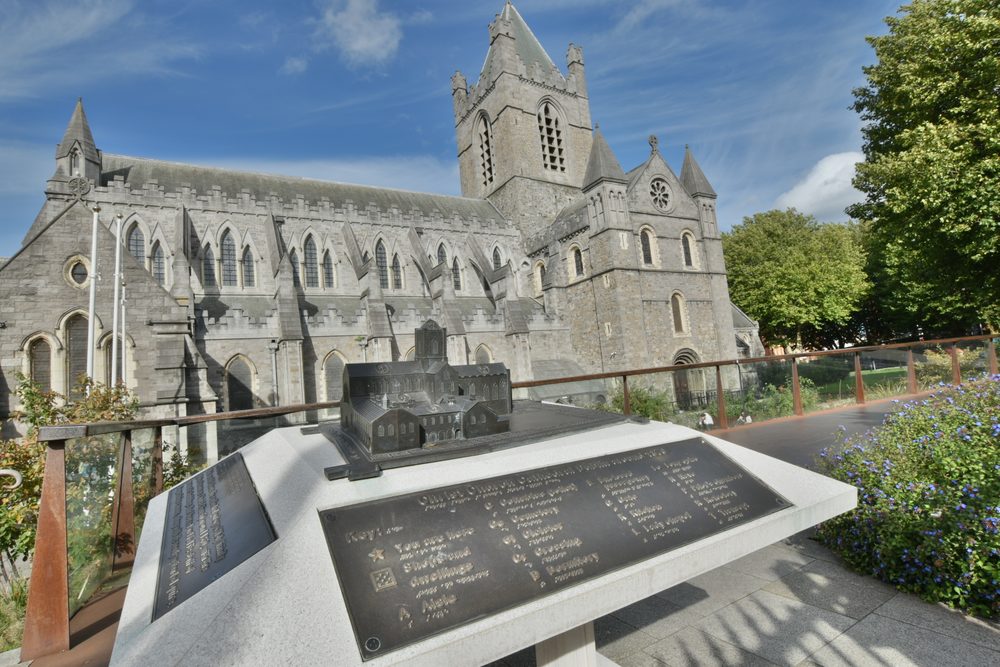
The cathedral sits below street level, so the first thing you do is drop down into a wide paved courtyard. It's free to walk into even if you're not going inside, and those benches are the quietest spot in this part of the city. A miniature model of the building on a stone plinth shows you the whole shape of the place before you go in, and it's a little attraction in its own right.


The nave and the tiled floor
Through the doors, the nave opens up: patterned tiles running the length of the floor, arches on either side and a high vaulted ceiling above. This is the spot to slow right down. Follow the tiles for a moment, then stop and look up - the ceiling and the stonework are where the real detail lives, and the stained glass takes on a completely different colour depending on the day and the hour.
The side chapels
Strongbow lies under an effigy in the nave, and the marble monument to the 19th Earl of Kildare fills one wall, but it's the smaller chapels off the main floor that hold the stranger stories. In the Chapel of St Laud, an iron cage protects a heart-shaped shrine: the preserved heart of St Laurence O'Toole, stolen in 2012 and recovered in Phoenix Park a few years later.


Down into the crypt
The stairs down to the crypt are the opposite of what most people expect from a medieval basement: bright and spacious, with big steps and handrails the whole way. There's no fixed route once you're in, so wander. This is the part of the visit that takes longest, and the one almost nobody allows enough time for.
Treasures and oddities
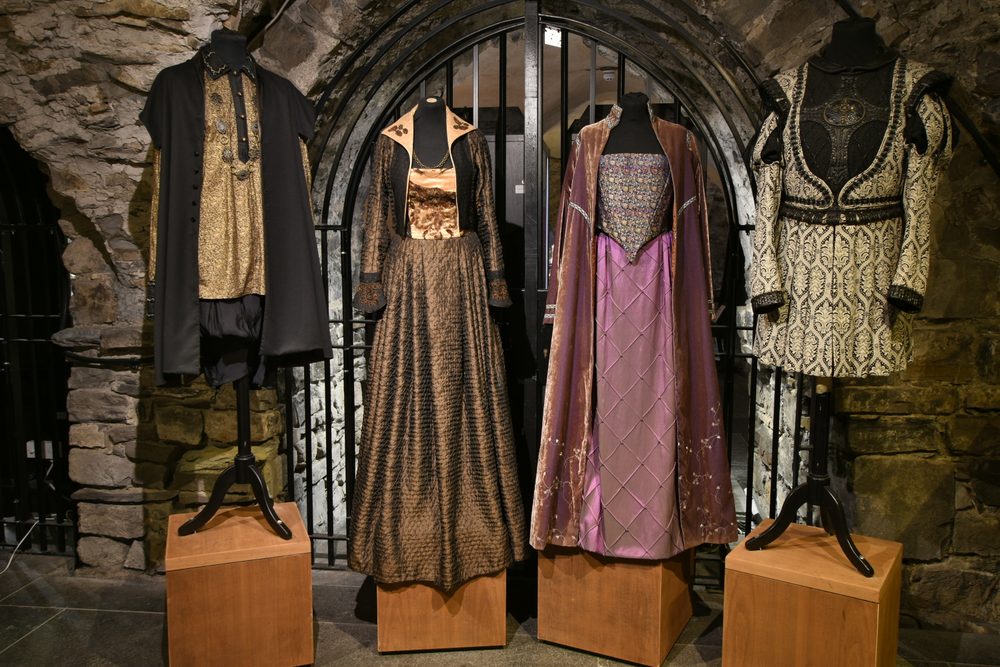
The 14th-century Magna Carta Hiberniae sits in its case, the mummified cat and rat known as Tom and Jerry draw the biggest crowd, and a set of original costumes from The Tudors lines one wall, with replicas you can try on. Keep an eye out too for the small case set into the floor near the gift shop, where the foundations of the original building sit below the level you're walking on.


The gift shop, the foundations and the way out
The route finishes in the gift shop, built into the crypt rather than tacked on beside the exit. Before you climb back up, find the display case set into the floor beside it: underneath the glass are the foundations of the original building, sitting below the level you're standing on. Sophie's right that it's easy to walk past, and it's the quietest bit of history in the whole place. Beyond the usual souvenirs the shop carries work by the people who work here, including Sam Boal's sketches of the cathedral, which you'll have seen further up this page. From there you head back up and out under the arch towards Dublinia.


Pair it with Dublinia next door
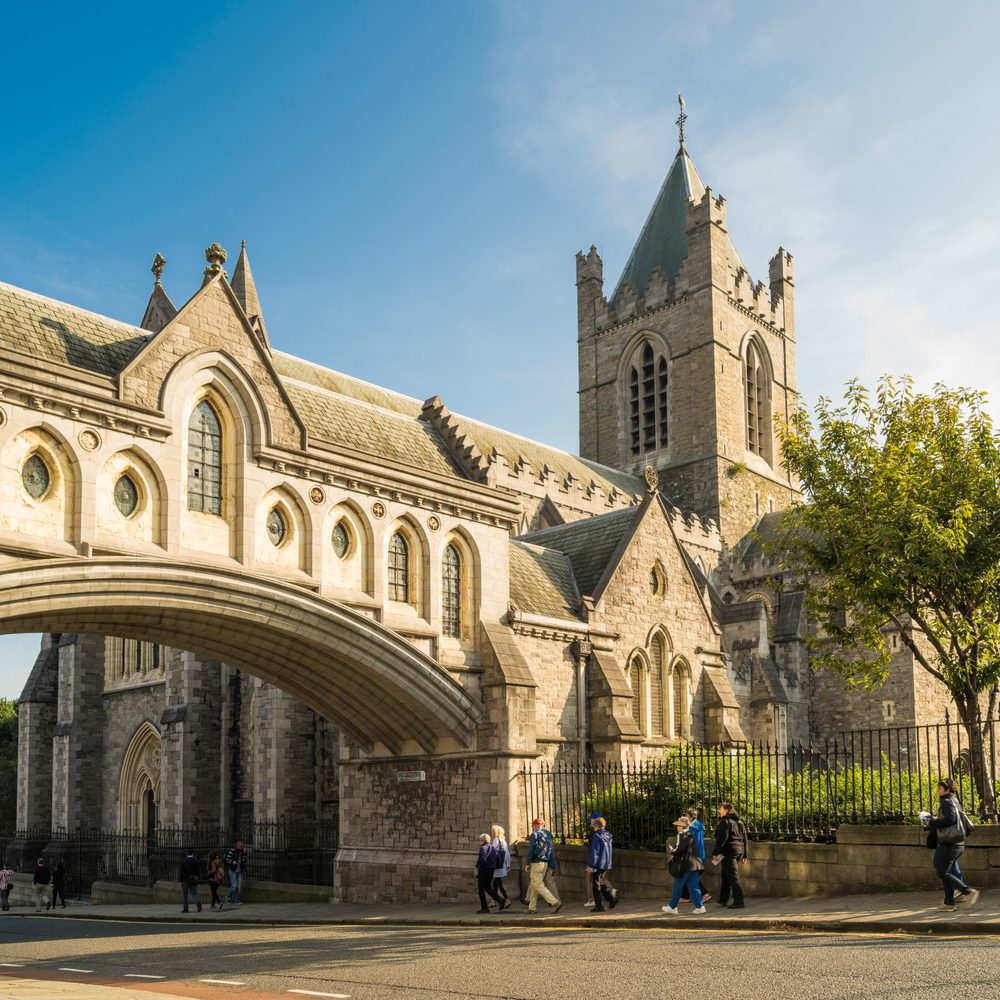
Dublinia is directly across the road from the cathedral, and the two buildings are joined by the stone arch over Winetavern Street that most visitors stop to photograph. The museum covers the Viking and medieval city that Christ Church Cathedral stands in the middle of, which means the two visits explain each other rather than repeating one another.
Combination tickets are sold at either desk and work in either order, so you can start among the Vikings and finish in the cathedral, or the other way round. Allow around two hours for both. Sophie Gough reckons it's the best way to spend a morning in this part of Dublin, because you're covering a thousand years of one small pocket of the city instead of travelling between separate sights.
You'll find opening times and combination ticket prices on the Dublinia website.
What it's really like to visit Christ Church Cathedral
Before we send our guests anywhere, our team visits in person. One of our writers had walked past the stone arch on Winetavern Street for years without ever going inside, then spent an afternoon working through the nave, the chapels and the crypt. Read his account of the day, including the dress-up stall in the crypt where you can try on replicas of the Tudor costumes.