Located in the Dublin Docklands inside the restored Custom House Quay building (CHQ), EPIC is devoted to the story of the Irish diaspora. It covers the 10 million people who left the island over the past 300 years, and the mark they left on the rest of the world. It's hands-on throughout, all indoors, and easily the best way to get a crash course in Irish history over a couple of hours in the capital. When you travel with My Ireland Tour, your entry ticket to EPIC is 100% included.
What's in this article
Jump to sections:
Why visit EPIC, the Irish Emigration Museum?
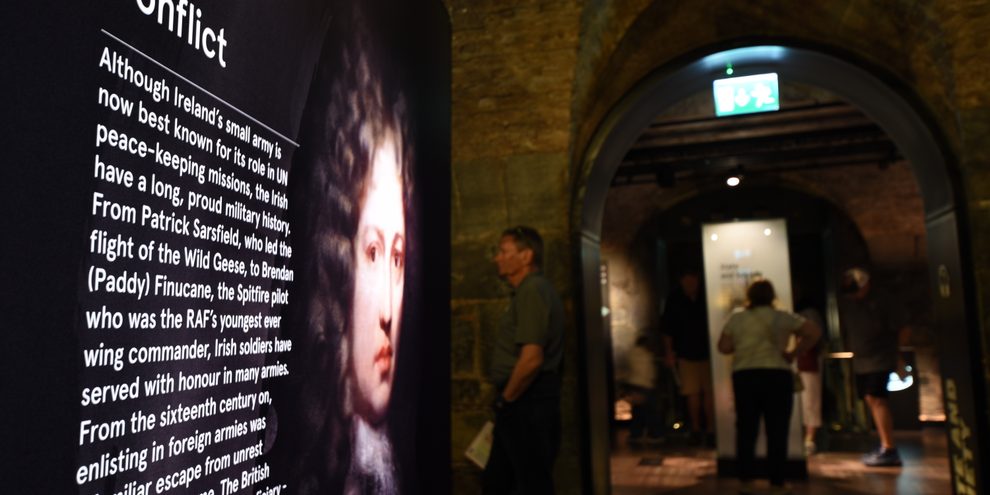
EPIC isn't your traditional museum. It swaps dusty artefacts for interactive, technology-led galleries built on touchscreens, motion sensors and immersive audio. Emigration is set out wave by wave rather than as a single departure: not just who left and why, but what they did once they began their new lives.
The story behind the vaults
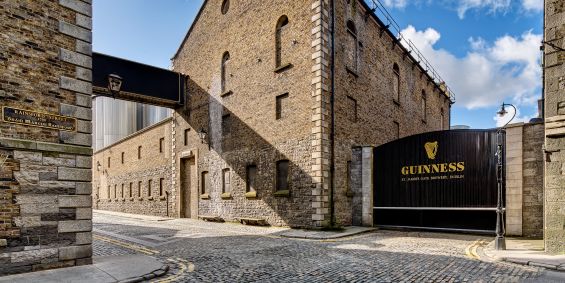
Tucked into the underground vaults of the 19th-century CHQ building, the museum traces emigration over the past 300 years. It runs from the forced emigration of the Famine era through to the recent generations of young professionals heading off to Australia and North America. Much like the Guinness Storehouse across town, EPIC never sends you outside, which makes it another handy, weather-proof backup plan for a wet day in Dublin.
Essential visitor information
Time needed:
Allow at least 90 minutes to two hours. There are 20 galleries of reading and swiping to get through, and rushing the interactive screens defeats the point of the place.Opening hours:
The museum is open seven days a week from 10:00am to 6:45pm, with the last entry at 5:00pm. It only closes on Christmas Eve, Christmas Day, and St Stephen's Day.Best time to visit:
First thing in the morning. The interactive screens are what make the place, but they bottleneck badly when large coach tours or school groups arrive. Getting in early means you don't have to wait your turn to read a display.Tickets & entry:
Your standard admission covers the full self-guided museum route. On a My Ireland Tour, your entry is already included in your tour price.Getting there:
Located in the CHQ building in the Docklands, it's about a 15-minute walk from O'Connell Street. Alternatively, hop on the Red Luas line and get off at the George's Dock stop, which drops you right outside the door.Kids:
This is arguably the most kid-friendly museum in Dublin. They give everyone a souvenir 'passport' to stamp in every room, and the interactive swiping and motion sensors keep teenagers engaged in a way that old glass cabinets just don't.Accessibility & facilities:
Because the museum is relatively new, accessibility is well catered for. It's step-free throughout, with lifts down to the vaults, wide flat pathways through the galleries, and accessible toilets.What to bring:
Your reading glasses. Almost everything here is text on illuminated screens in dimly lit rooms.
The practical information in this section was checked against the official EPIC: The Irish Emigration Museum website on 6 November 2026.


Considerations from the experts
We never send our guests anywhere we don't know and love ourselves. Based on plenty of chats with the people who work there and guide our tours, here's exactly what you need to know before you go.
It is technology-led, not artefact-based:
There are almost no physical historical objects here. The whole museum is built on digital displays, touchscreens and video projections. If you love modern, interactive storytelling, this is for you. If you'd rather look at actual 19th-century letters and physical relics, this might not be your favourite stop.It is built as an introduction:
EPIC sets out to give you the full sweep of the emigration story in about two hours, not to take you through it year by year. That makes it a strong introduction, and a light revision session, depending on what you already know. If you have studied Irish history or worked on your own family tree, come for the staging and the human stories rather than new information. For the deeper digging, the Irish Family History Centre at the exit is the place to start rather than the galleries.The story it chooses to tell:
The route runs in two halves, and they feel different. The first is about leaving: persecution, famine, the coffin ships, Ellis Island. The second is a celebration, built around influence rather than hardship. It follows Irish emigrants and their descendants into politics, engineering, literature, music and sport. Some of those threads continue for generations after the emigrant who began them. The story doesn't end at the quayside, and that's a deliberate choice rather than an accident. That second half is where the museum is liveliest.Crowds & group timing:
The digital setup means only one or two people can use a touchscreen at once. When a large coach group enters a room, it can cause a frustrating queue for the exhibits. Be prepared to skip a screen and come back to it if a room suddenly gets busy.How much walking is involved:
EPIC is spread out across the underground vaults. The ground is flat, but you'll be on your feet the whole way round, mostly standing still while reading screens. There's a good amount of seating dotted through the galleries if you need to take the weight off.Photography:
It's a famously tricky place to photograph. You're standing in dark vaults trying to take pictures of bright, flashing screens. Unless you're a seasoned pro, you're better off putting the camera away and just enjoying the displays.If you are tracing family:
The Irish Family History Centre sits just outside the main museum exit. You don't need a museum ticket to access it, but if you want a sit-down consultation with a genealogist to trace your Irish roots, you really do need to book that appointment well in advance of your trip.
Options and inclusions
A standard ticket to EPIC gets you into the vaults and covers the full self-guided digital tour, complete with your souvenir "passport" to stamp in each room. The museum also offers upgraded tickets that include a session at the Irish Family History Centre , where you can get expert help digging into your own ancestry.
If you're visiting EPIC as part of a vacation with us at My Ireland Tour, your standard entry is fully included in your tour price. We handle the time slots, so you can just walk in and enjoy the galleries. If your tour is with another provider, or you're travelling independently, you'll need to book your own slot. You can find the best rates directly on the official EPIC website .
A step-by-step walkthrough of EPIC, the Irish Emigration Museum
The museum is self-guided, so you can move through the 20 digital galleries at your own pace. The route is linear, taking you on a chronological journey from the trauma of leaving Ireland to the celebration of the diaspora's global impact.
Grab your passport
Before you head down into the vaults, the staff will hand you a souvenir passport. Each of the 20 distinct galleries has a stamping station. It sounds a bit gimmicky, but it's a clever way of making sure you haven't accidentally missed a room in the dark.
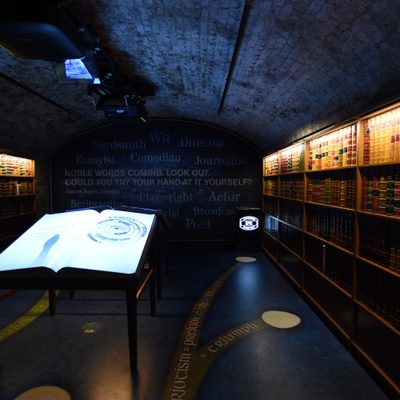
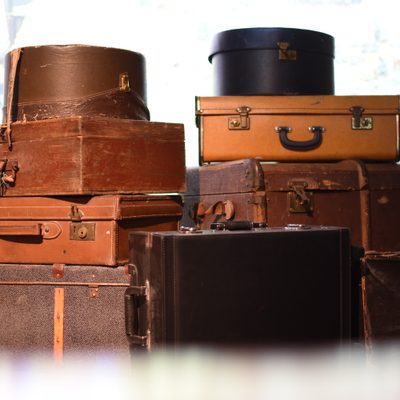
Leaving the island
The early galleries tackle the hardest parts of the story: why people left. You walk through rooms dedicated to the religious persecution of the 1700s, the Famine, and the grim realities of penal transportation. The atmosphere down in the brick vaults does the rest.
The journey across the sea
Once you understand why people left, the exhibits shift to how they survived the journey. Displays cover the horrific conditions aboard the coffin ships, the gruelling processing centres at places like Ellis Island, and the physical toll the crossing took on the millions who made it.
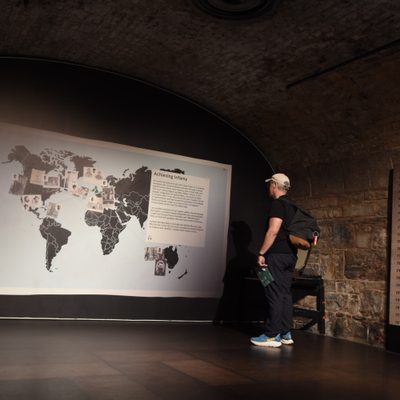
Influencing the world
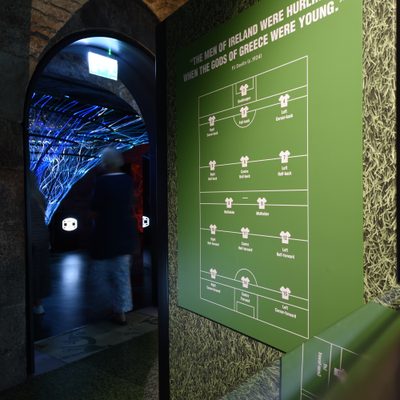
The mood lifts in the second half of the museum. The galleries shift from the trauma of leaving to what the diaspora built once it arrived. You swipe through digital profiles of Irish emigrants and, in many cases, their descendants, who went on to shape global politics, build famous bridges, and define modern literature.
Celebrating culture and sport
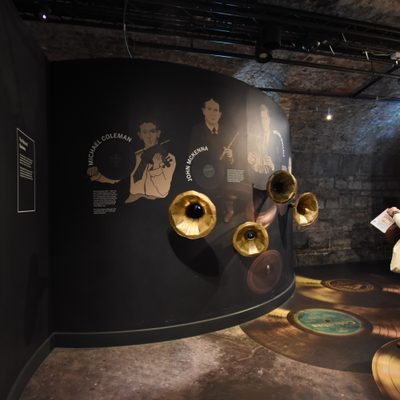
The final rooms are loud, bright celebrations of Irish culture abroad. You can hear Irish musicians play, see how Riverdance took over the world, and test your knowledge of the diaspora's sporting achievements on the wall-sized touchscreens.

The Irish Family History Centre
Once you finish the main museum route, you come back out into the CHQ building right next to the Irish Family History Centre. If you have Irish heritage and want to do a bit of digging into your own family tree, their workstations and expert genealogists make this the natural final stop.
Where to Eat & Drink Nearby
You don't need to leave the building to eat well. Because EPIC sits in the basement, you come out straight into a bright food hall. You can grab coffee and cakes at Bakehouse, or head over to Ely Bar & Brasserie for a proper sit-down lunch.
Or, a quick jump on the Luas will take you straight back to the heart of Dublin city for a pint and a bite, or onto the Guinness Storehouse if you're making a full sightseeing day of it.