It was a mild August morning when I pulled into Midleton, the sort that starts with a light drizzle and can't quite decide what to do next. I was here for the Midleton Distillery Experience tour - and by the time I left a couple of hours later, I understood why this place is treated as a pilgrimage site for Irish whiskey.
An August Morning in Midleton
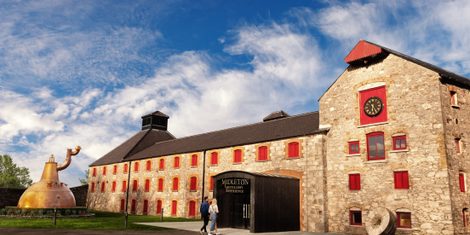
The first thing you notice is the scale. The Old Midleton Distillery, founded in 1825, sprawls across the site in a huddle of grey stone buildings, and in the soft grey light of an August morning the whole place looks like it has been standing for a very long time - because it has. I checked in at the visitor centre reception, which has been modernised and is a world away from the historic buildings I was about to walk through. The team behind the desk were all smiles, and Kate, the manager on duty, came over to welcome me and said she would be on hand to answer any questions once the tour was over. I joined the group for the pre-show, where our guide for the morning, Brian, was already getting everyone set for the walk around the site.


The short film sets the scene beautifully: how the site survived by amalgamating smaller operations into the Cork Distilleries Company, how Irish whiskey nearly died out entirely, and how Midleton became home to so many famous brands - Jameson, Midleton Very Rare, Powers, Paddy and Redbreast.
From Grain Store to Still House
Brian led us out and into the grain store, stopping first at a wall display that looked like a pair of enormous platform shoes. They were the Killing Walkers - thick wooden soles worn to protect the men's feet from the heat and fires of the still house. "People think platform shoes were invented in the 1960s," Brian said. "We had them here about 100 years before everybody else - maybe Gaga wasn't the first."
Inside, every sack of barley weighed 16 stone - about 100 kilograms, or 225 pounds - and had to be carried by hand before a pulley system introduced in the 1850s took the heavy lifting away. The dangers were real, too: dry, dusty grain meant a constant risk of fire and explosion, and the weight of it all could bring the floor down.


Brian kept the stories coming. Local cats were kept on site to deal with the mice, and if you lived in Midleton years ago with a litter of kittens you did not want, the neighbours would simply tell you to bring them down to the distillery, where they were fed and looked after and earned their keep keeping the grain clear.


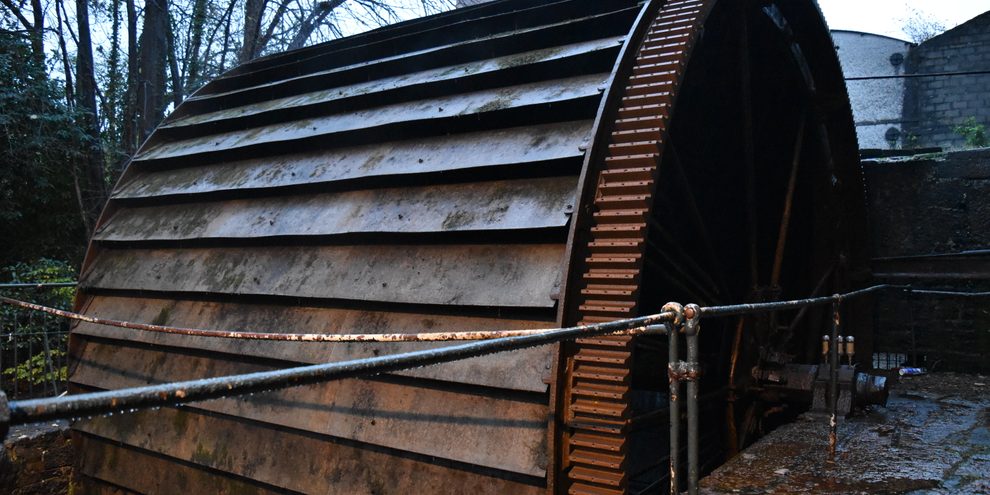
From the grain store we crossed to the mill house, where the great stone wheels ground the barley into grist - a rough flour, ready for the next stage. Brian explained that for many of its whiskeys Midleton blends malted barley with unmalted barley to make pot still whiskey - the quintessential Irish style. Outside, the great water wheel was still turning, and it has a story of its own. If the river ran low in a dry summer there was not enough power to turn the wheel, so in 1834 the company imported a steam engine from England - for £800, Brian said, "something like two million euro in today's money." Even then it took a while to get right: the original wooden wheel rotted, the coal-fired engine was expensive to run, and it was only later that the cast-iron wheel arrived. Both the water wheel and the steam engine kept the site working right up until 1975.
Between the mill and the still house, the beer comes first. We stopped beside the washbacks - the huge fermentation vessels that each hold about 45,000 gallons (207,000 litres). Grist, warm water and yeast go in, and about 80 hours later you have a strong, beer-like wash at around 10% alcohol. "If we were a brewery, we could sell it now," Brian grinned. "We've made a beer - that's our brewery tour finished. Now we have to go and distil it."
Then came the still house, and this is where the tour really hits you when you fully register what you are looking at: the world's largest pot still, a colossal 140,000 litres of riveted copper, looming over the walkway. There, I had a sudden, sobering sense of what it must have been like to work here in the days before mechanical power - the heat the workers endured, the physical toll of it all, day after day. It is one thing to read about industrial history; it is quite another to feel it.


From there our group walked the quiet rows of the maturation warehouse, where oak barrels - many from Kentucky bourbon, some sherry butts - slowly turn new spirit into whiskey over years. Brian explained that a little of every barrel is lost to evaporation as it matures - what the industry calls the Angels' Share, "Midleton's angels are the happiest". It was the calmest part of the tour, and somehow the most atmospheric.


The Tasting
The tour ends where it should - at a table in the tasting room, with three glasses in front of each of us. Our host for the tasting was Aidan, and the line-up was the flagship trio: Jameson Distillery Edition, Redbreast 15 and Midleton Very Rare. "I do a little vote at the end of all my tastings," he announced.
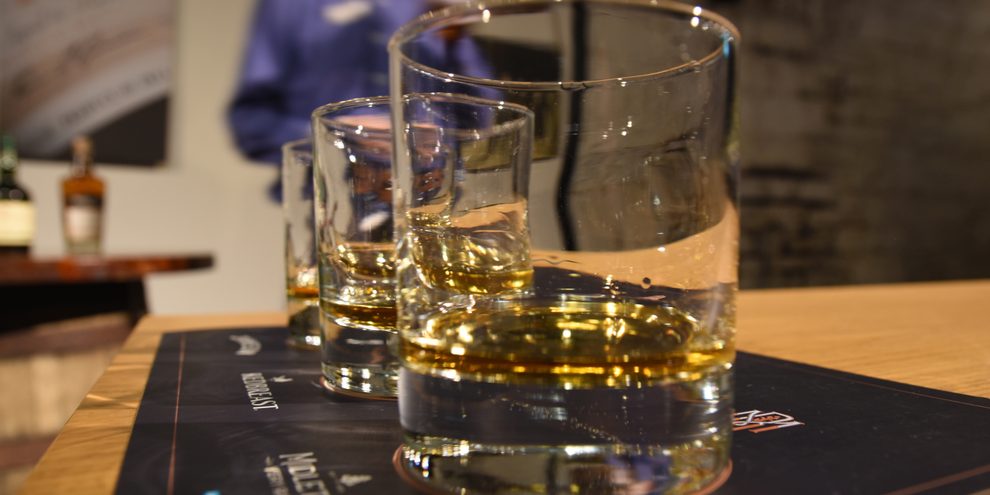
Aidan talked us through each whiskey as we went, and he knew his stuff. The star for me was the Midleton Very Rare - a blend matured for 14 to 26 years in bourbon barrels that head distiller Kevin O'Gorman hand-picks himself. Aidan had us look for citrus zest on the nose and a touch of crème brûlée; on the palate there was vanilla, toffee and butterscotch, and he called the finish "incredibly, incredibly smooth." He was not wrong.
Then came the vote. Midleton Very Rare got the most hands in the room by a mile - and it was my favourite by far. Aidan laughed: "Expensive taste you all have." As we finished he added, "Congratulations - you're all professional Irish whiskey tasters," and sent us on our way with the best instruction of the day: one more drink at the Signature Bar.


Was It Worth It? My Honest Thoughts
Here is the honest version. The tour is excellent value and brilliantly run, and the setting does most of the work: imposing centuries-old buildings full of history and character, with something to look at around every corner. It is the kind of place where you find yourself slowing down just to take it all in.
What makes the visit stick, though, is the people - from the welcome at reception to Brian's stories and Aidan's enthusiasm at the tasting. A great tour can run on facts; this one ran on the people telling them.
'Five quick rings of the distillery bell was the old warning that the boss was on his way'.
Plan your own visit
Want the practical details - opening times, prices, what's included and how to get there? See our full guide: Midleton Distillery Experience: The Complete Visitor Guide.
Standout Moments
- Imagining the heat radiate off the world's largest pot still - and thinking about the workers who endured it every day
- The 1834 steam engine, a beautifully ornate piece of engineering that powered the site until 1975
- The tasting: a festival for the senses, comparing three of Ireland's finest whiskeys side by side
- The distillery bell story - one ring for more coal, two to reduce the heat, and five quick rings meaning the boss was on his way
- Browsing the gift shop, where the distillery-exclusive personalised Jameson Black Barrel is the showstopper


Who will love this?
Whiskey lovers, obviously - but honestly, so will anyone with even a passing interest in history, engineering or how things are made. The tasting means it is best suited to adults, and if you are travelling with someone who does not drink, the story of the site alone is worth the visit. It suits couples and small groups better than very young families, but only from the tasting perspective.
What I Wish I Knew
- Book ahead - the tours fill up well in advance, especially in summer
- Bring a rain jacket; you walk between the historic buildings outdoors
- Allow time after the tour for the gift shop - the distillery-exclusive bottles are genuinely special
- Ask questions at the tasting - Aidan was happy to talk whiskey and his favourite brands for as long as we wanted
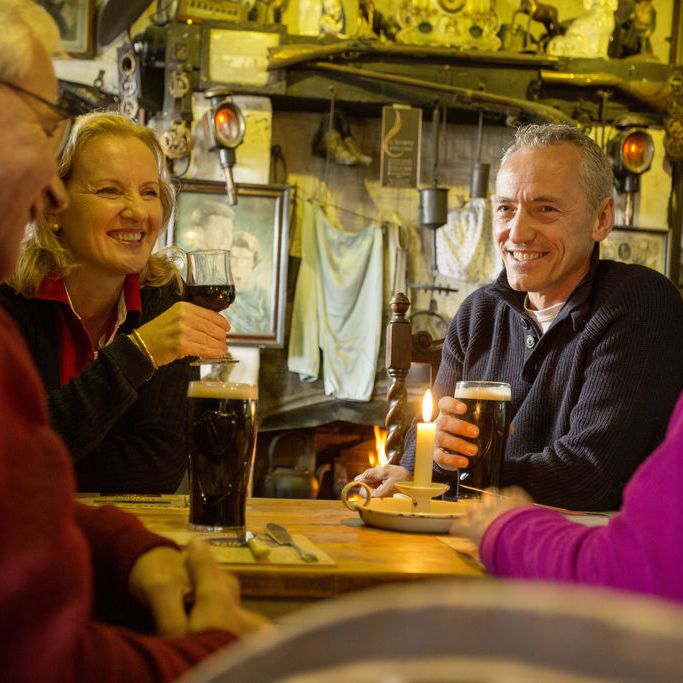
- For lunch afterwards, walk the few steps to Ferrit & Lee, just outside the distillery gate. Their signature dish is a slow-cooked Jameson-marinated featherblade of beef - and it is every bit as good as it sounds.
Photo Gallery
A few more pictures from a soft August morning in Midleton.


The Verdict
I went for the tour, and I left understanding why Irish whiskey is the way it is. The Midleton Distillery is not just the home of the stuff - it is where you actually feel the craft, the heat and the history behind every bottle. The morning flew by, the tasting was the highlight, and that Midleton Very Rare has been on my mind ever since. If you only do one distillery tour in Ireland, make it this one.