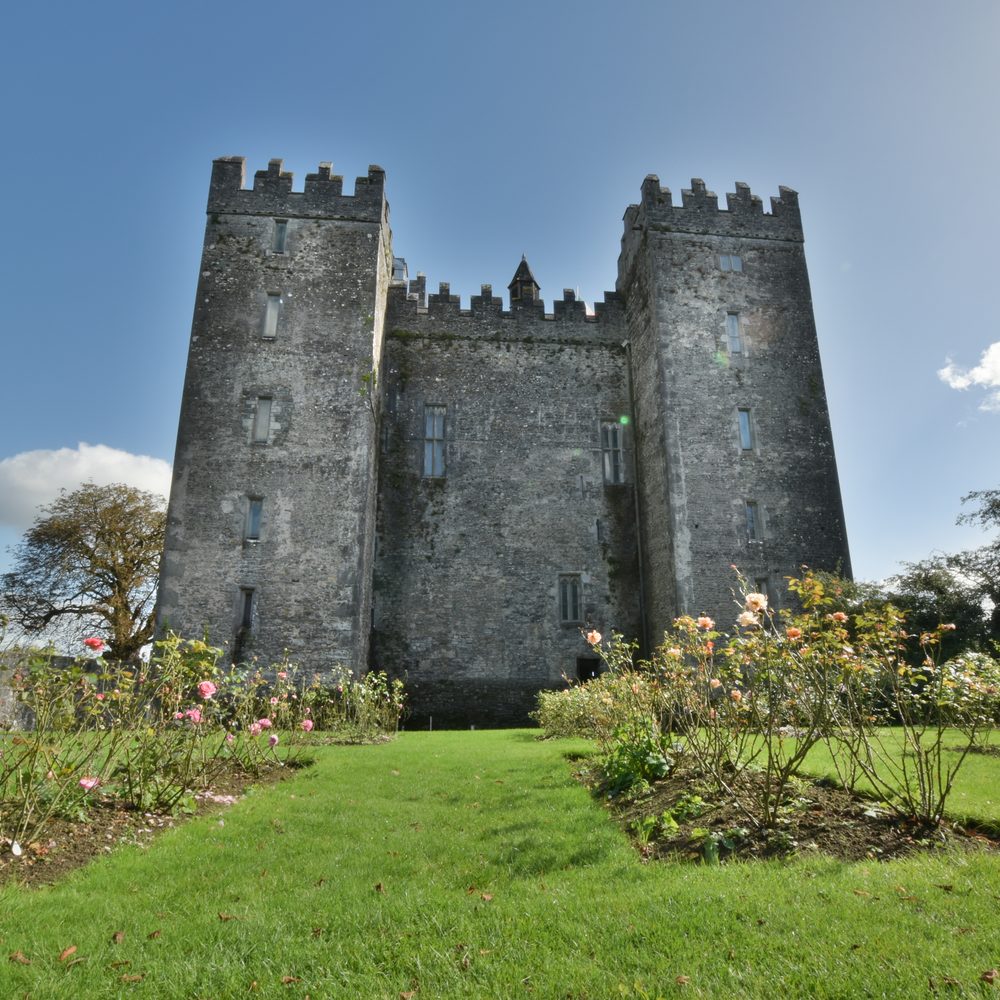
Having been to Bunratty a few times over the years, my visits usually consisted of a quick drink at Durty Nelly's, a photo op at the castle, and getting straight back on the road. This time, I decided to actually cross the drawbridge and investigate further. It didn't take long to realise exactly what I'd been missing.
A Late September Morning in Bunratty
The summer has been brilliant, and it simply refuses to end. I arrived to blue skies and glorious sunshine, which felt completely at odds against the backdrop of browning trees and fallen leaves. It was t-shirt and shorts weather in late September, which I'll never complain about.
Bunratty is only fifteen minutes from Shannon Airport, which explains the traffic. Between the cars heading for Limerick and the rentals and tour buses going to and from Shannon, the village acts as a natural crossroads. It's also why the village works perfectly as a first or last stop on Ireland tours, allowing guests to ease themselves in before heading west or squeeze in one last castle visit before flying out.


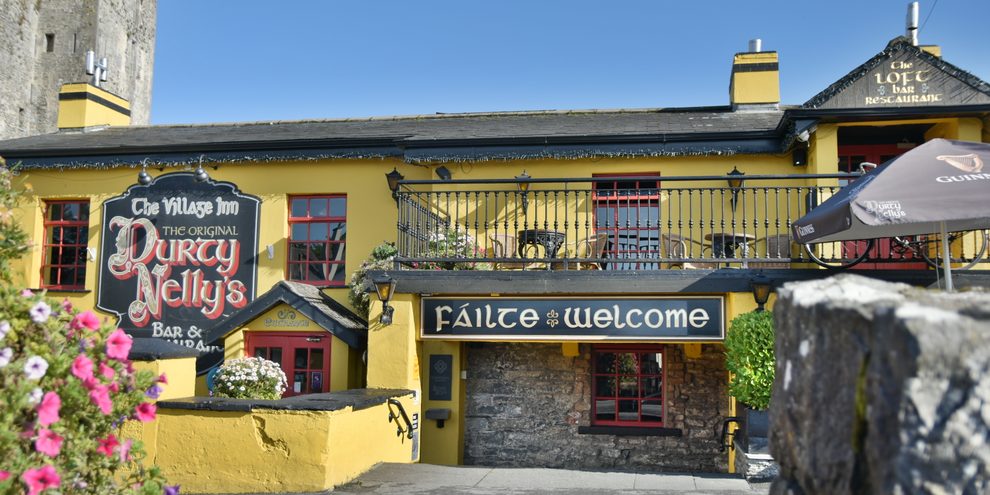
Past Durty Nelly's and Back Into Another Century
Pulling off the motorway into Bunratty is fairly standard. It's a village on a main road, and the approach doesn't really prepare you for much. But once you pass Durty Nelly's and get up close to the castle, the whole vibe shifts.
The entrance to the Folk Park is much the same. From the car park outside, you're just looking at a gift shop and a café. But the second you walk through the doors, the folk village takes over entirely. If you can look past the modern signs and the occasional staff member with a walkie-talkie, it's a properly immersive recreation of nineteenth-century Ireland featuring over thirty authentic buildings.
The Courtyard and the Village Wolfhounds
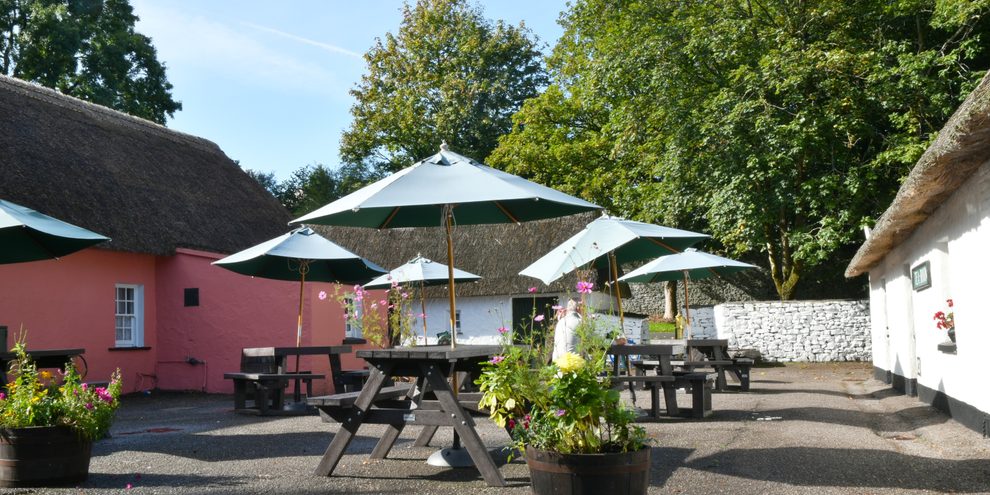
Coming out the back of the gift shop, you step into a courtyard with some seating and a modern bathroom block. Use this bathroom if you need to, because finding another one gets significantly trickier the deeper you head into the village.
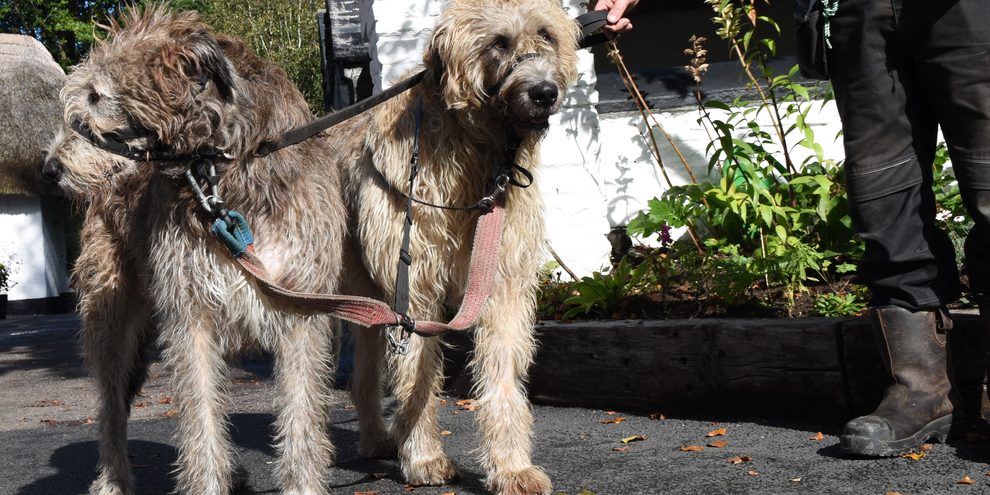
This courtyard is also where I bumped into the real stars of the show. Blarney has its stone and Moher has its cliffs, but Bunratty has Rían and his sister Míde, the resident Irish Wolfhounds. I caught them out on their daily walk, and they are absolute local celebrities. They can't move ten feet without being "hounded" by visitors looking for a photo.


Hay, Poultry and Pigs
Once you leave the courtyard and walk past the tea room and its outdoor seating, the immersion really kicks in. You just follow the smell of hay and poultry straight into a proper working farmyard, complete with a fresh haystack, a chicken pen, a farmhouse, and a pigsty.
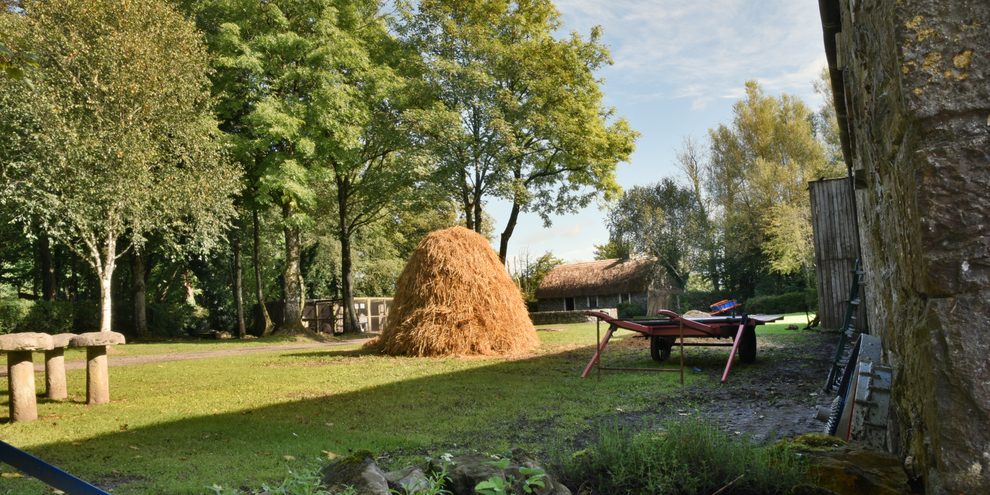


You can wander right into the farmhouses. Inside, they are all fairly similar: a main living and dining area with an open fire and a cauldron, a bedroom, and maybe a smaller room tucked into the corner. I guess they were built strictly to be practical, not individual.
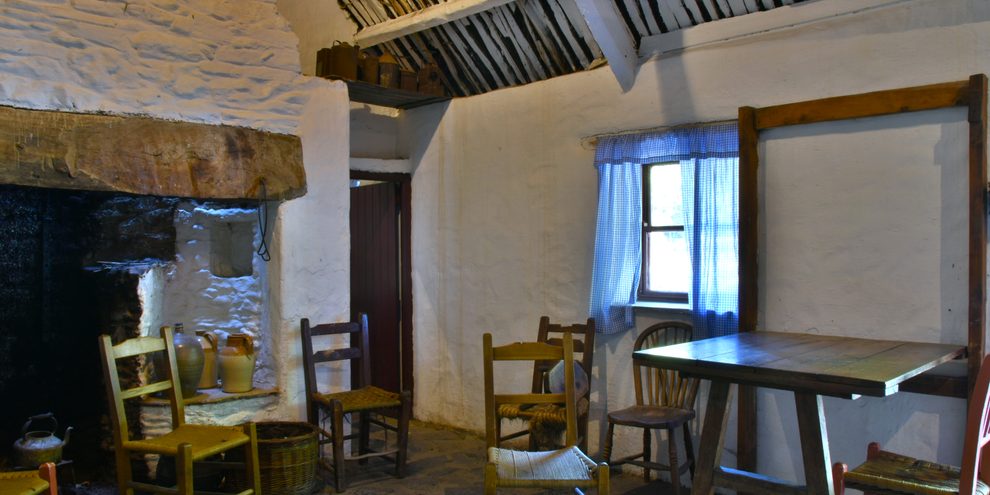
The smell of burning coal mixing with the pigs outside is a heady combination, but it's exactly what ties the whole illusion together. Getting a photo of the pigs (I didn't catch their names) takes a bit of patience, though. The moment they realise you aren't bringing them food, they lose interest and wander off.


A quick note on footwear: I wore comfortable trainers, which were grand for walking the main paths, but I did get up close and personal with the mud trying to get a photo of the pigs. If you plan on getting near the livestock, wellies or decent waterproof boots are the way to go.
Main Street
A small path leads from the farmyard straight onto Main Street, which is easily the highlight of the park. It feels like a fully functioning village street, complete with a school, a post office, and a pub, all of which you are entirely free to wander into. The whole street is laid out as though its residents have just stepped away, capturing a perfect snapshot of daily life.
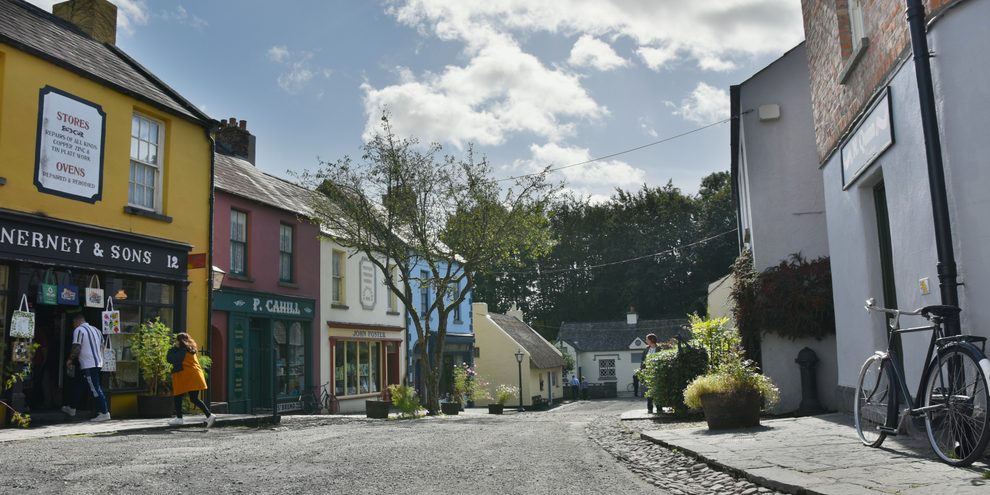


The local school headmistress actually greeted me in the yard and invited me inside to inspect her spotlessly clean classroom. Back outside, I bumped into the local copper patrolling the street in full uniform, complete with a bobby hat and handcuffs. It was fairly quiet while I was there, but you can easily picture him calming the rowdy locals up in MacNamara's pub later in the evening.


Millie and Tillie, the Resident Donkeys
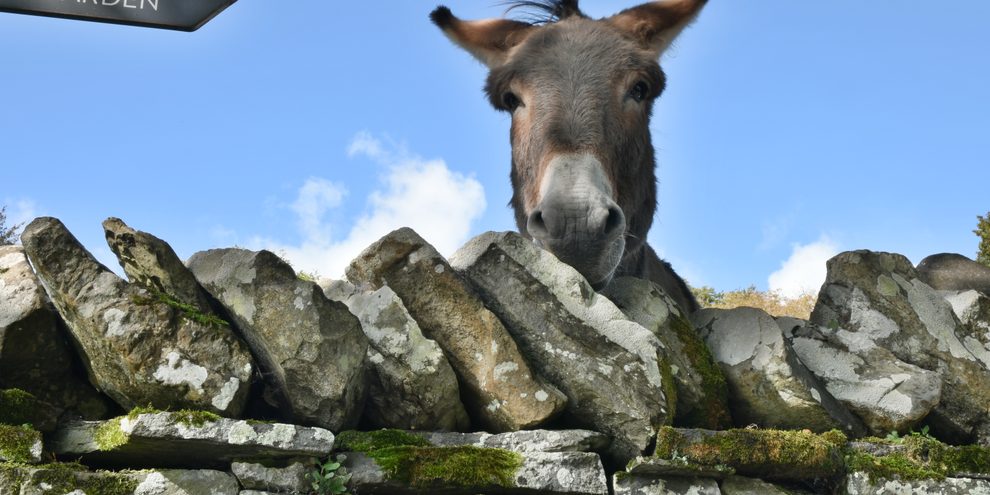
At the top of Main Street, just behind the pub, the path splits in two. You can either head off on the fairy trail, or turn toward the church and Pa's Pet Farm. For me, it was no contest: I headed straight to meet Millie and Tillie, the resident donkeys. A lot of the animals in the park are tricky to catch on camera, but the donkeys (Tillie especially) pose like seasoned professionals. She stood perfectly still, absolutely fascinated by the camera lens.


Bunratty Castle
Standing right at the centre of the estate is the 15th-century fortress itself. Built in 1425 by the MacNamara clan and later ruled by the powerful O'Briens, it actually sat in disrepair for over a century before being fully restored and opened to the public in 1960.
Today, friendly guides in full medieval maiden costumes welcome you in, explaining the tower's famously chaotic layout. They aren't joking. Inside the massive Great Hall, the timber-roofed room where the Earls of Thomond held court, you'll spot a tiny, winding stairwell leading down to the dungeon. With incredibly low headroom and a viewing area that barely fits one person, it's definitely not for the unsure-footed or the claustrophobic.
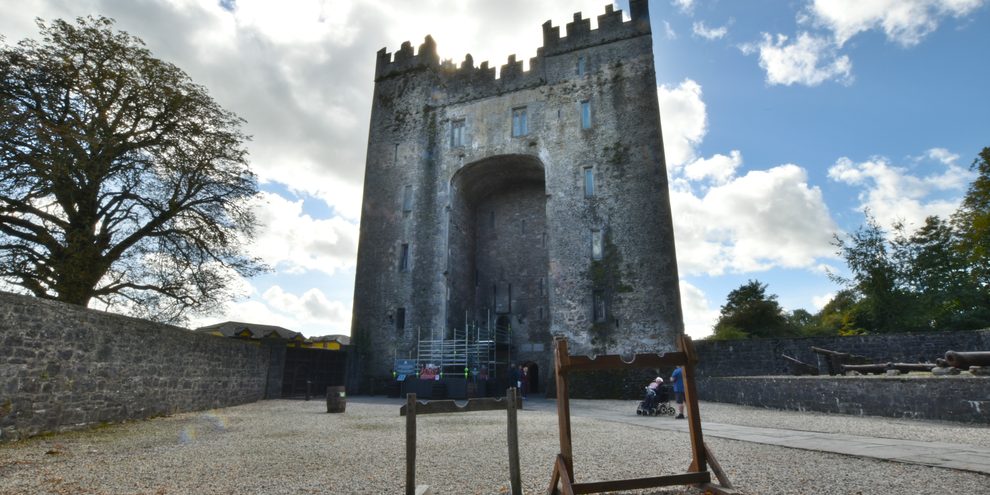


The main staircases leading up to the higher floors are slightly wider and operate on an unofficial one-way system. Most people navigate by shouting "coming up!" or "coming down!" before moving on, or stepping into small stone alcoves to let people pass. Listening to the variety of accents echoing up and down the shafts is half the fun.
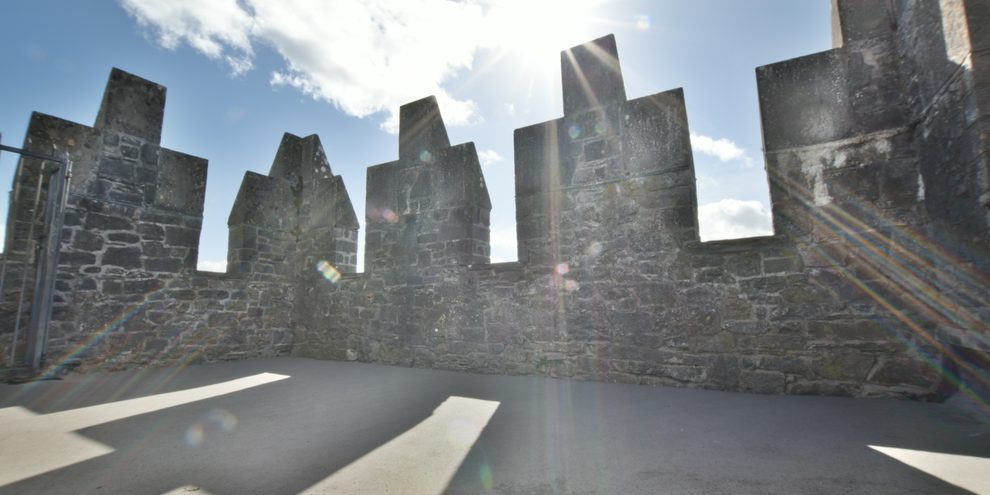
These stairs deliver you up to the "Solars," including the South Solar. Positioned high up in the castle, these were the Lord and Lady's private sunlit apartments. While the fortress is famous for its evening banquets and honey mead, exploring it by day is a brilliant adventure all its own: navigating the steep steps, admiring the tapestries, and stepping out onto the battlements for huge views across Clare.




Accessibility: the only room in the castle a wheelchair can reach is the vaulted lower cellar on the ground floor. If steps are a problem, the first floor is a sensible place to stop. The stairways beyond it are old, narrow and uneven, and there is no lift, as Bunratty is a registered historic building.


Was It Worth It? My Honest Thoughts
Standout Moments
- Meeting Rían and Míde, the resident wolfhounds, out on their daily walk, the closest thing Bunratty has to A-list celebrities.
- Standing on what looks like a fully functioning nineteenth-century Main Street, and being able to just wander freely into the school, post office, and pub.
- The farmyard atmosphere, that mixture of burning coal, pigs, chickens and fresh hay.
- Millie and Tillie the donkeys posing perfectly for the camera.
What I Wish I Knew
- Use the bathroom by the gift shop courtyard. They get much harder to track down the further you walk into the 26-acre village.
- Wear waterproof footwear. Comfortable trainers are fine for the main paths, but if you want to get a good look at the pigs, you'll be standing in mud.
- Expect to find your own way around. There are surprisingly few "You Are Here" maps, which I actually preferred. You can wander and get a little lost, and that was half the charm for me. If you are working to a list, though, things like the Walled Garden, the fairy trail and the playground are easy to walk straight past, so build in some time to float around.
- Give it a proper block of time. I had stopped here multiple times over the years without ever walking past the castle gates. It deserves much more than a quick photo stop.
- Lean into the illusion. If you can look past the modern signage and the tourists with cameras, it really does feel like stepping back in time.
Who will love this?
Families with young kids, history buffs, and anyone who doesn't mind getting their trainers a bit muddy for a good photo.
Where to Eat
I just grabbed a quick coffee from the café by the exit, which sits alongside a gift shop stocked with the usual mix of knitwear, jewellery and trinkets. If you’re looking for proper grub after your walk, though, you have plenty of options right outside the gates—you can drop into Durty Nelly’s, or just wander across the road to Jilly and Joe’s or The Creamery.


Photo Gallery


The Verdict
Bunratty Castle and Folk Park easily earns its spot as one of County Clare's most charming attractions. While it's tempting to just grab a photo of the exterior and hit the road, do yourself a favour and give this 26-acre living estate a proper wander. The castle itself is the main draw, but the real magic is walking alongside the resident Irish wolfhounds, catching the local donkeys posing for your camera, and losing yourself along the country paths.