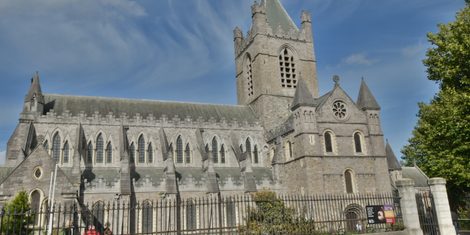
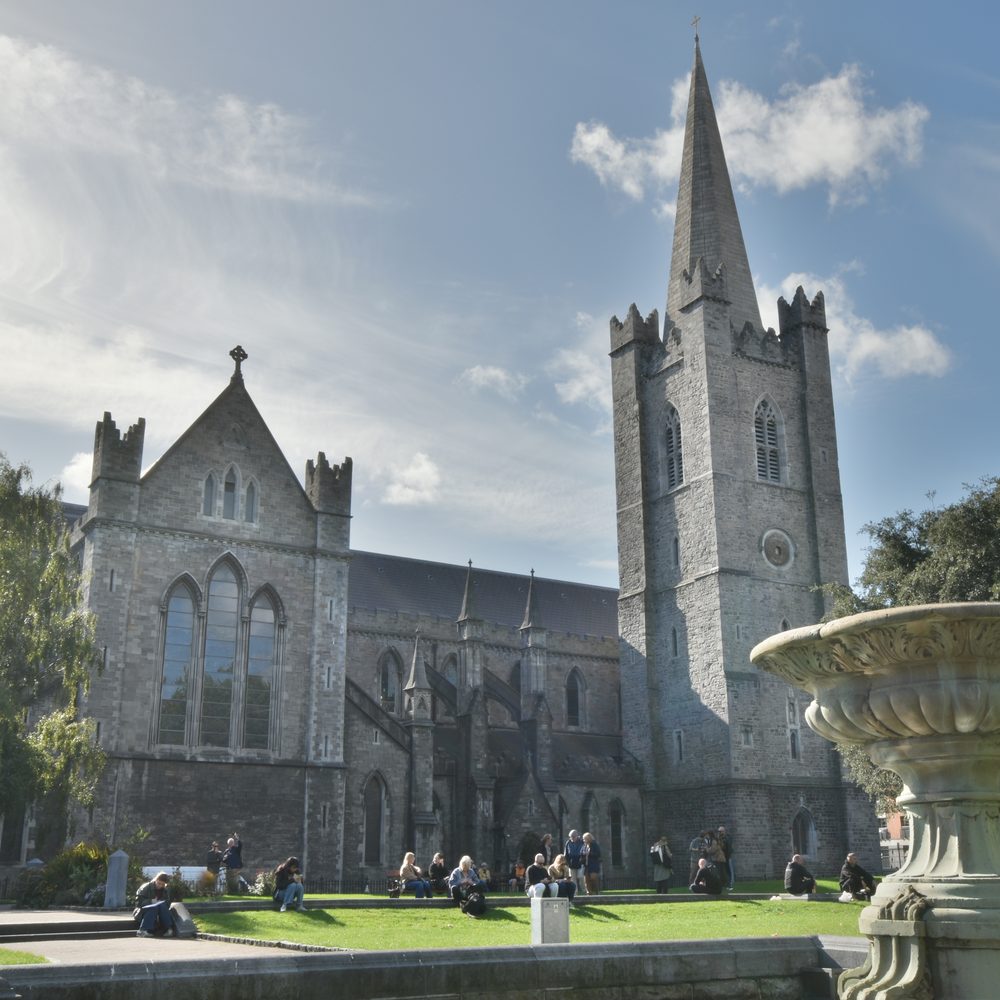
Most cities are perfectly happy to build one huge medieval cathedral and call it a day. Dublin somehow ended up with two of them, sitting basically on either ends of the same road. St Patrick's is the bigger of the pair, holding the title of the largest church in Ireland, and it absolutely dominates the landscape around it.
Arriving at St Patrick's Cathedral
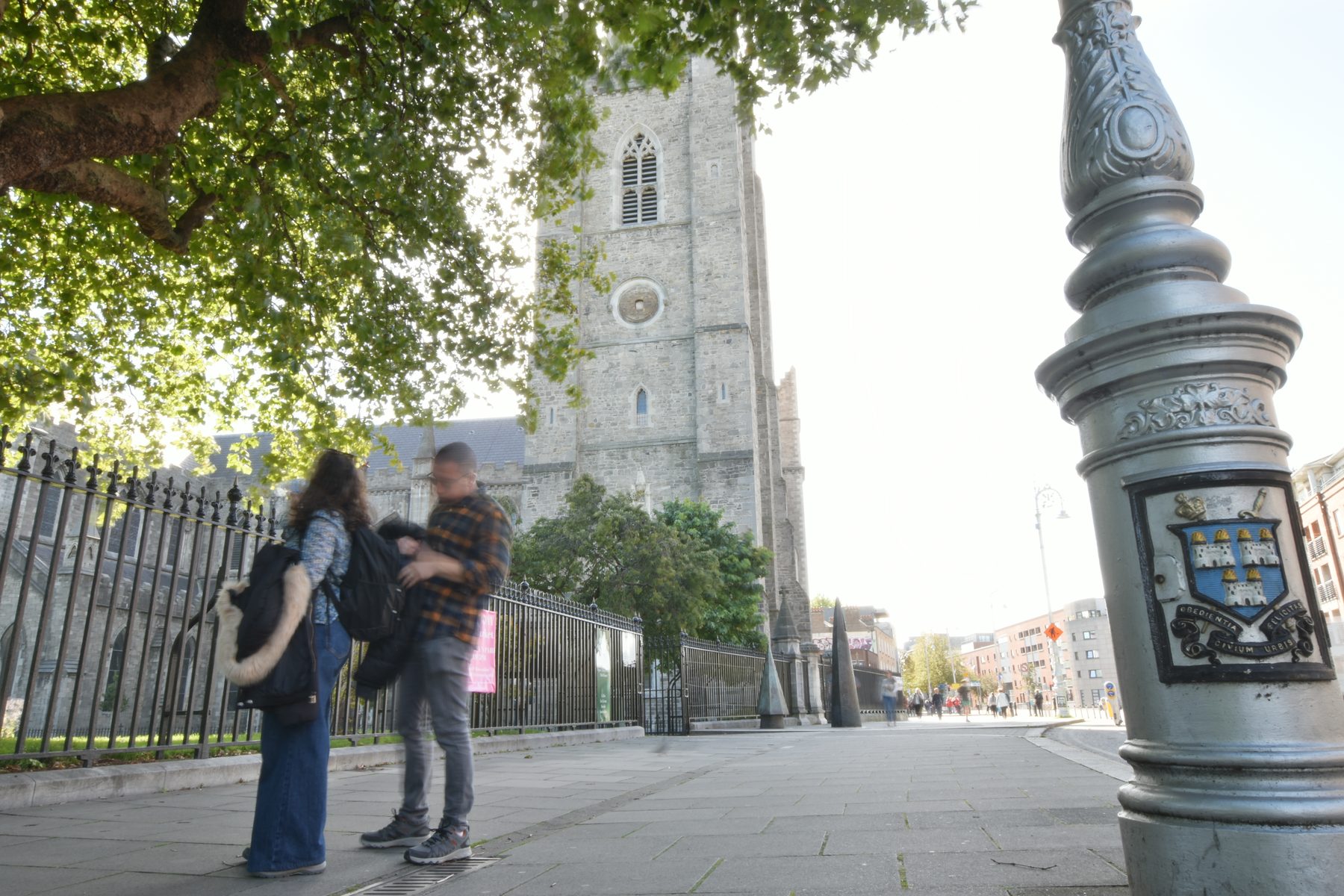
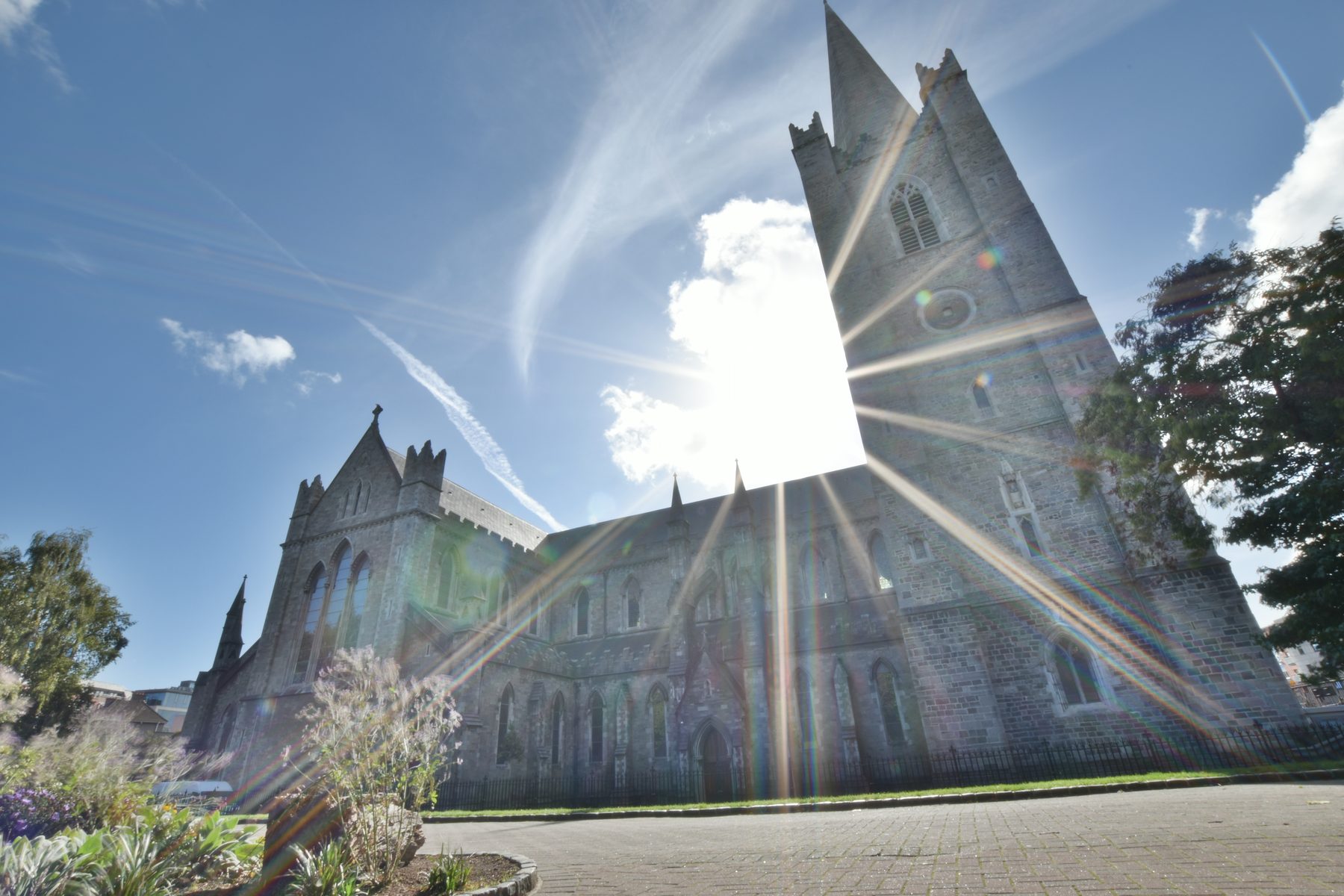
Walking up Patrick Street, the difference between the two buildings hits you immediately. While Christ Church Cathedral was originally built inside the safety of the old city walls, St Patrick's was built just outside them, on ground long associated with Saint Patrick himself.
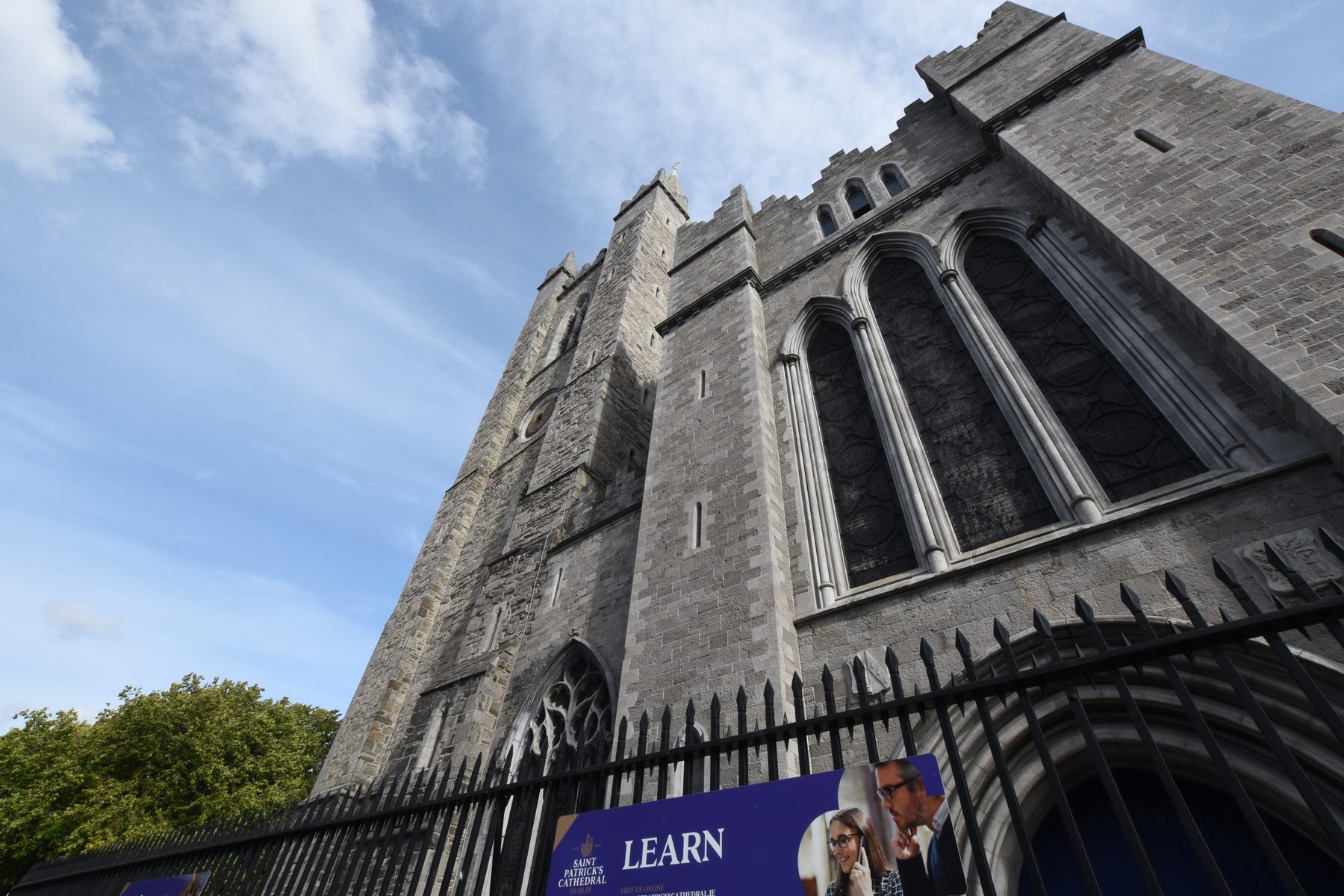
The Building From the Outside
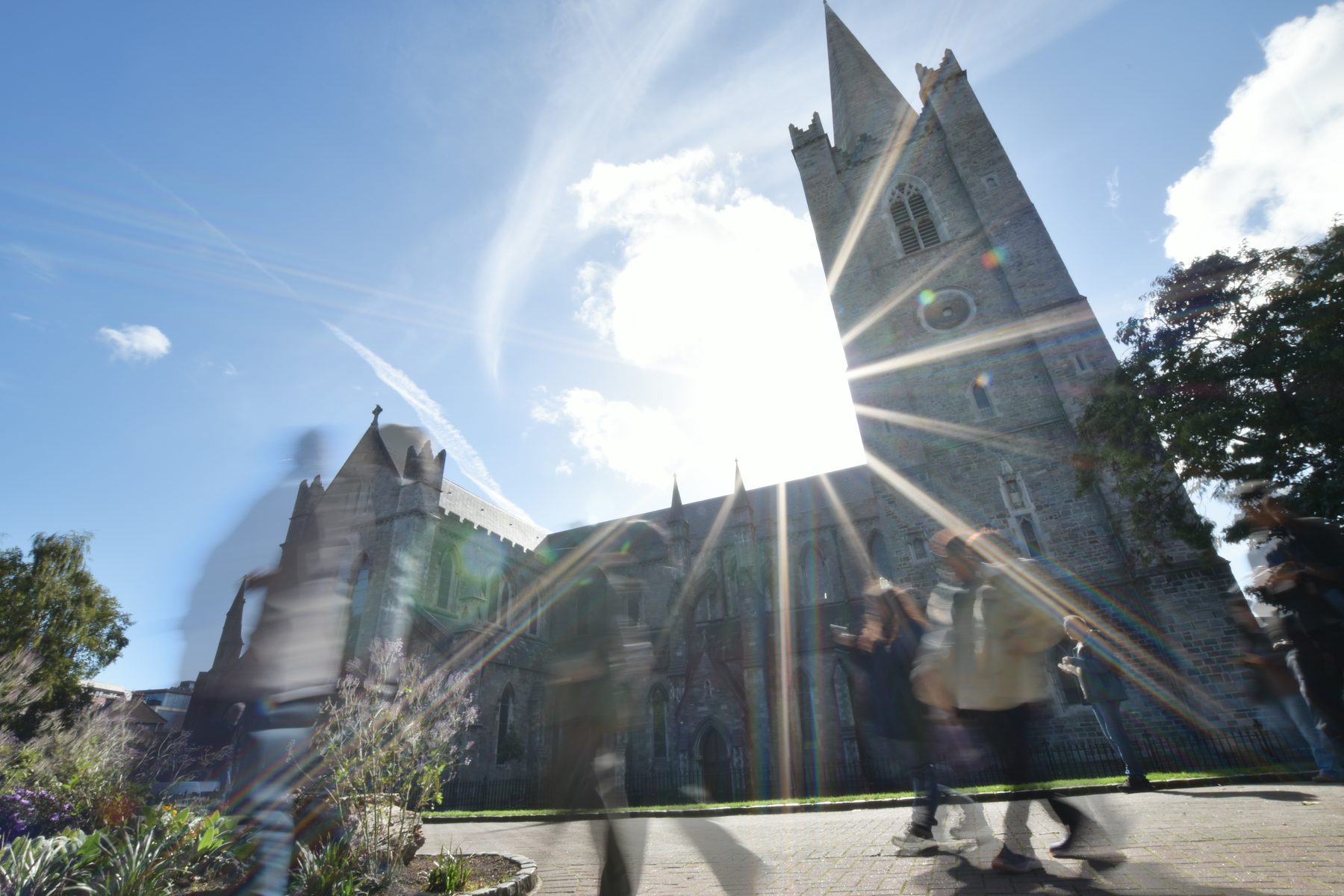
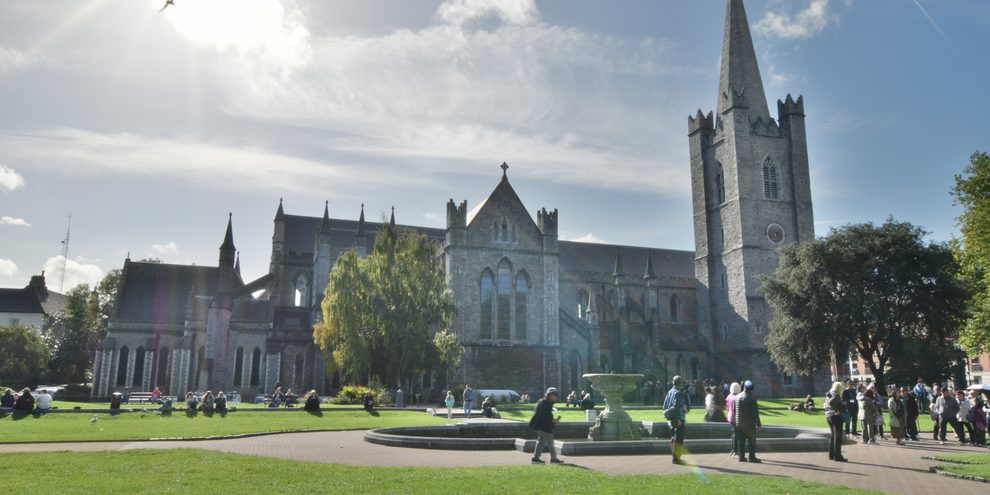
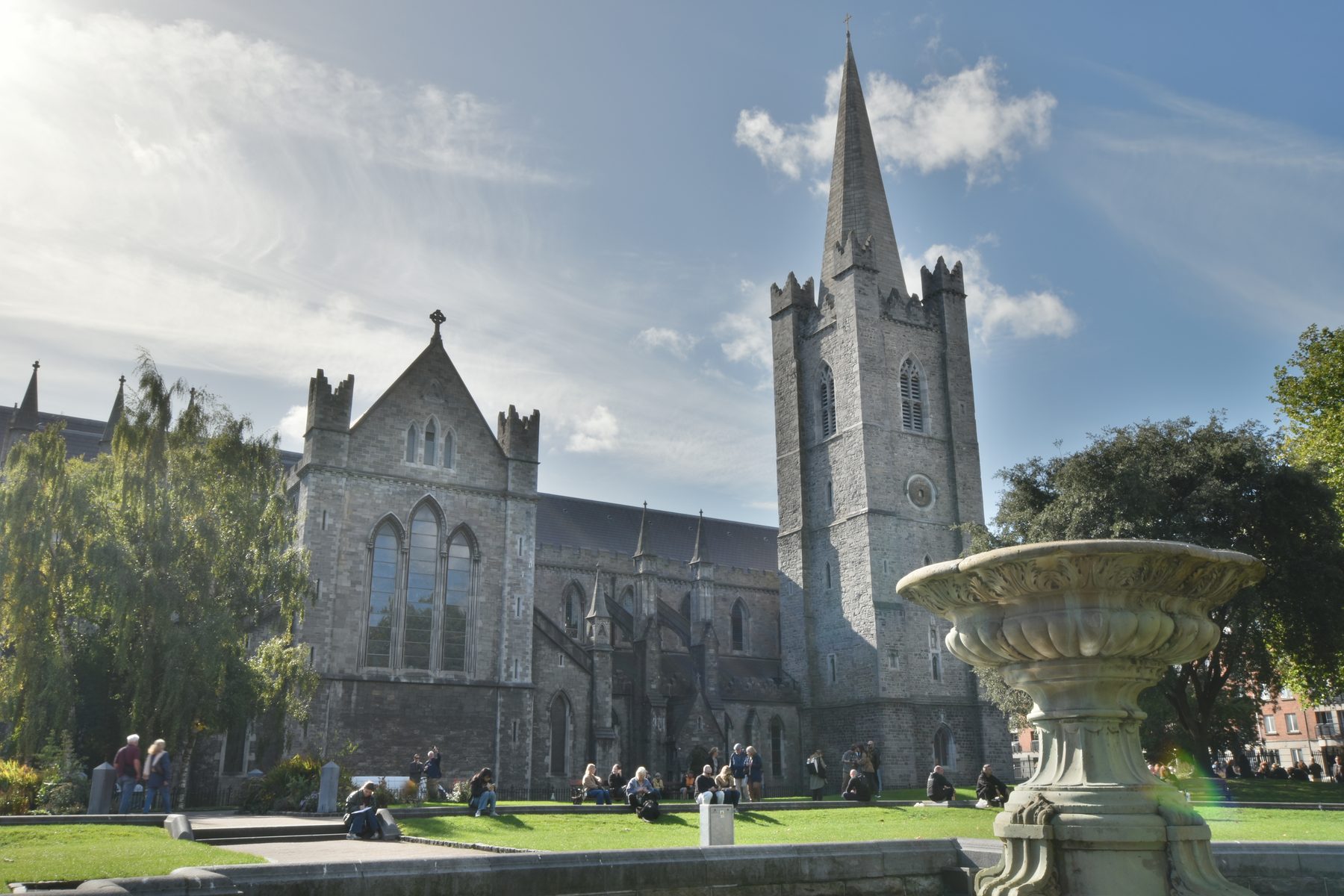
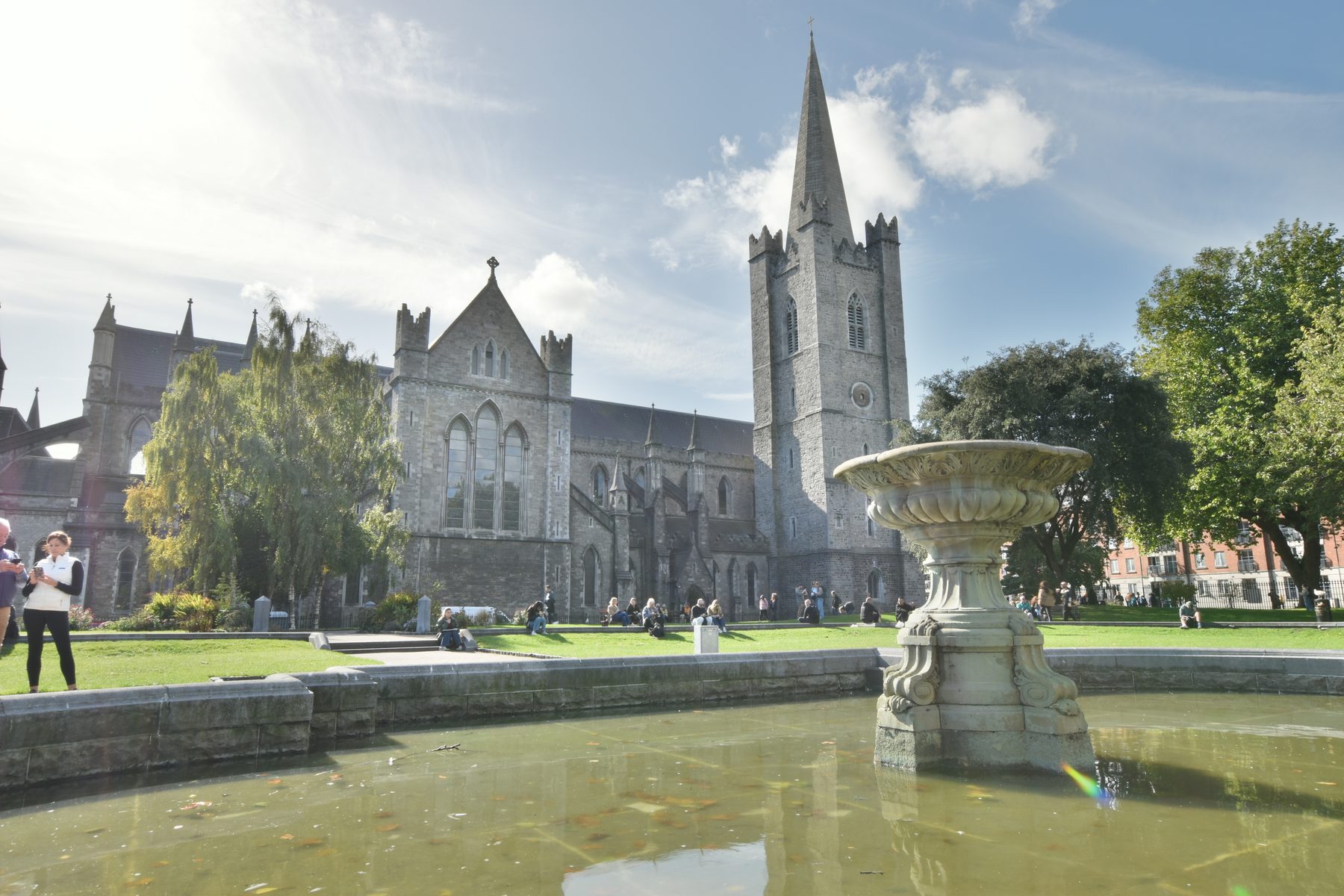
I wandered into St Patrick's Park around lunchtime, just before heading into the actual church. It is a fantastic, open green space right beside the cathedral, and on the day I visited, there was a nice mix of tour groups admiring the flowers and locals just chilling in the sun, enjoying a variety of sandwiches, coffees, and other odds and sods.
Compared to the thousand-year-old cathedral, the park is relatively new. The Guinness family bankrolled the whole thing in the late 1800s. The River Poddle actually flows completely underground here now, so the walking paths loop around a large stone water fountain instead. Like many parts of Dublin City, the park acts as a quiet green oasis where you can easily hide away from the rush outside.
Inside the Cathedral
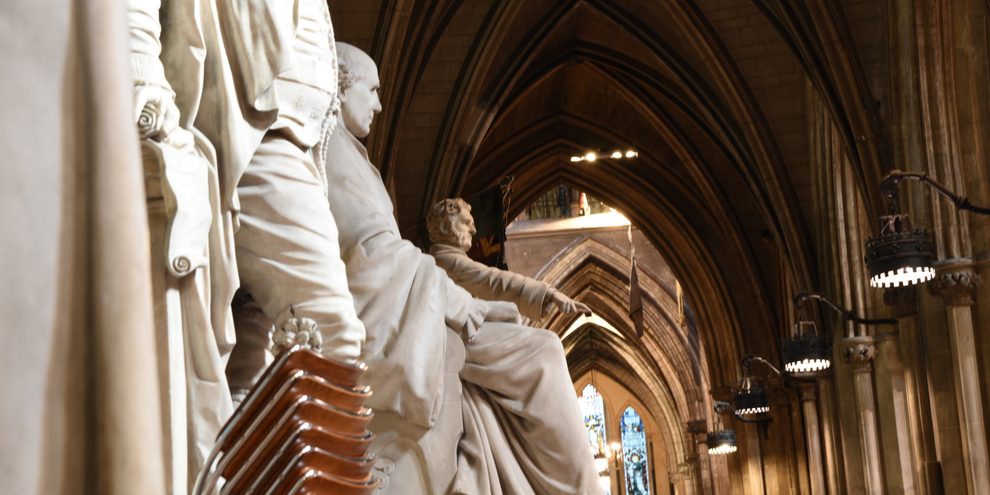
Unlike Christ Church down the road, there is no sprawling medieval crypt to explore downstairs. Because St Patrick's was built practically on top of the River Poddle, the ground was always far too prone to flooding to dig out a basement. It means every piece of history they have is packed into the main floor.
Highlights You Should Not Miss
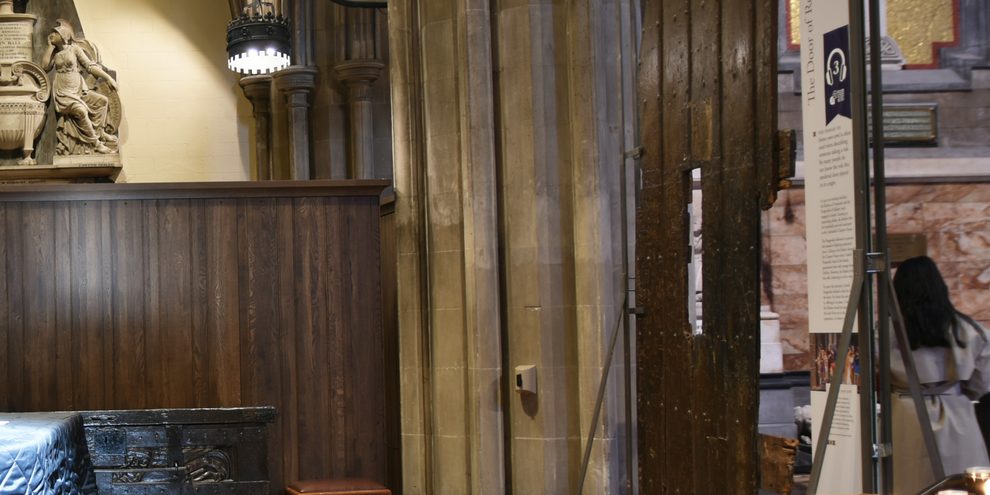
There is an incredible amount of history lining these walls, but two specific monuments tend to steal the show. The first is a bizarre piece of Dublin folklore: a wooden door with a hole hacked into the middle of it. Back in 1492, two rival families—the Butlers and the Kildares—were fighting for control of the city. The Butlers locked themselves inside the cathedral, and to make peace, the head of the Kildare family smashed a hole in the door and reached his arm through to shake hands, risking getting it chopped off if it was a trap. It is where the phrase "to chance your arm" comes from.
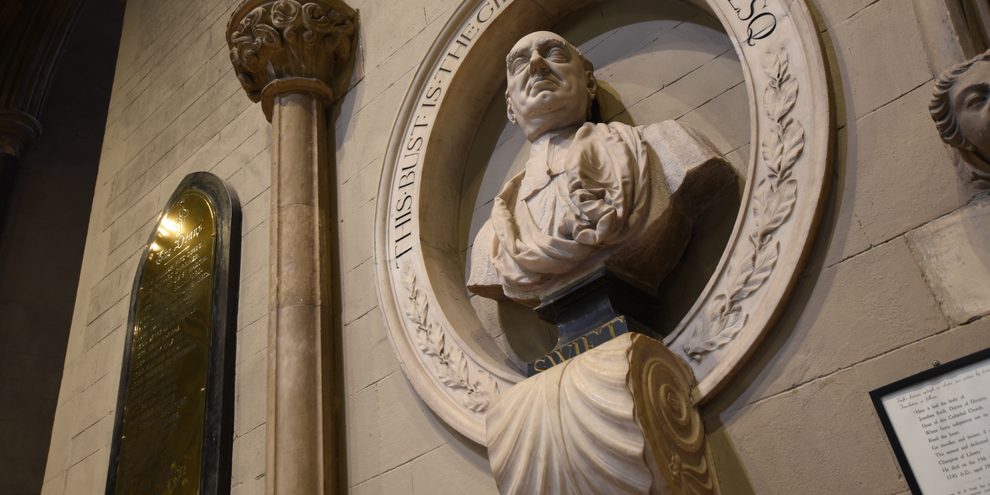
The second major draw is the burial site and bust of Jonathan Swift. For over thirty years in the 1700s, the author of Gulliver's Travels served as the Dean of the cathedral. He is buried on-site alongside his companion, Esther Johnson, and spotting his memorial gives the history here a nice literary edge.
Was It Worth It? My Honest Thoughts
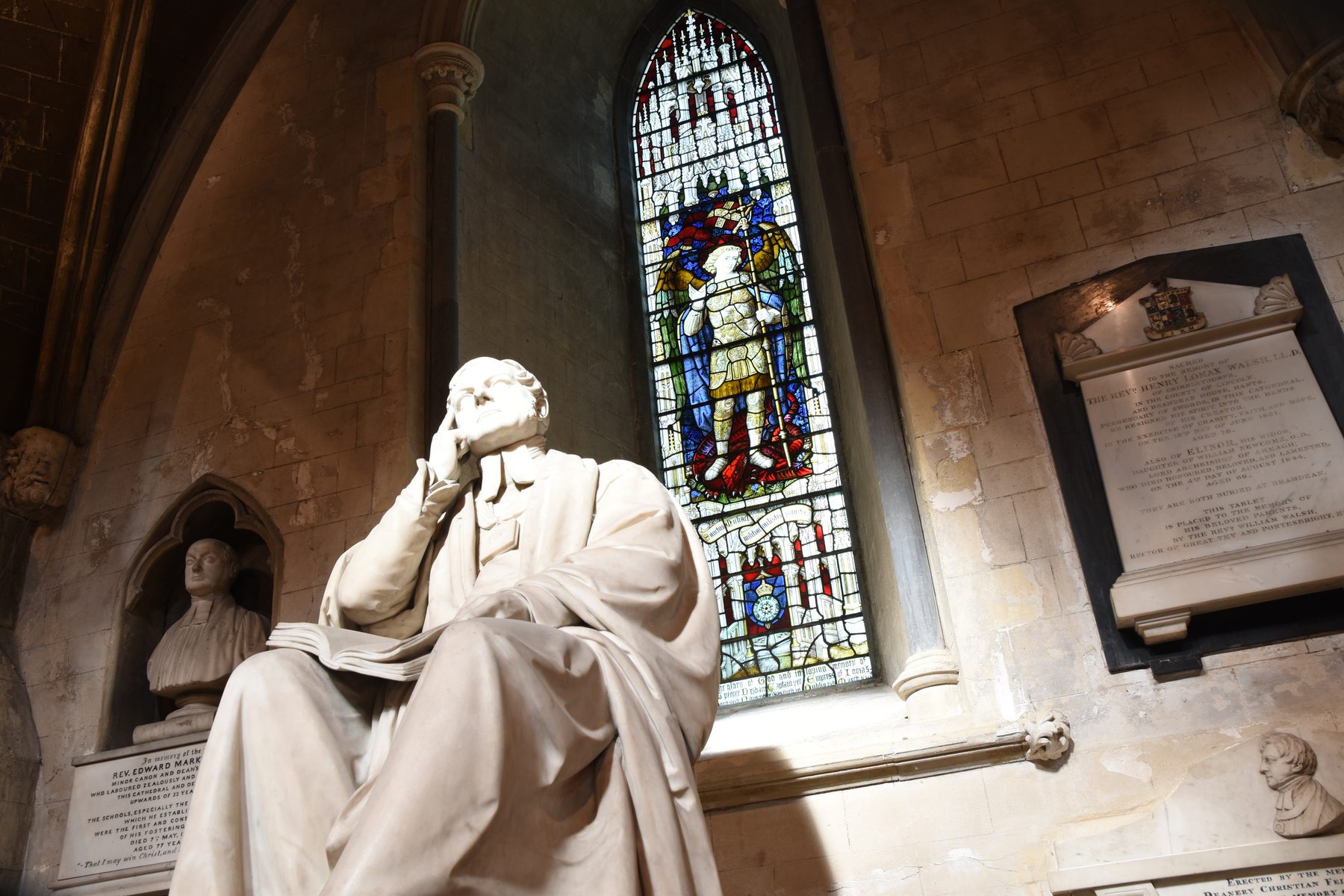
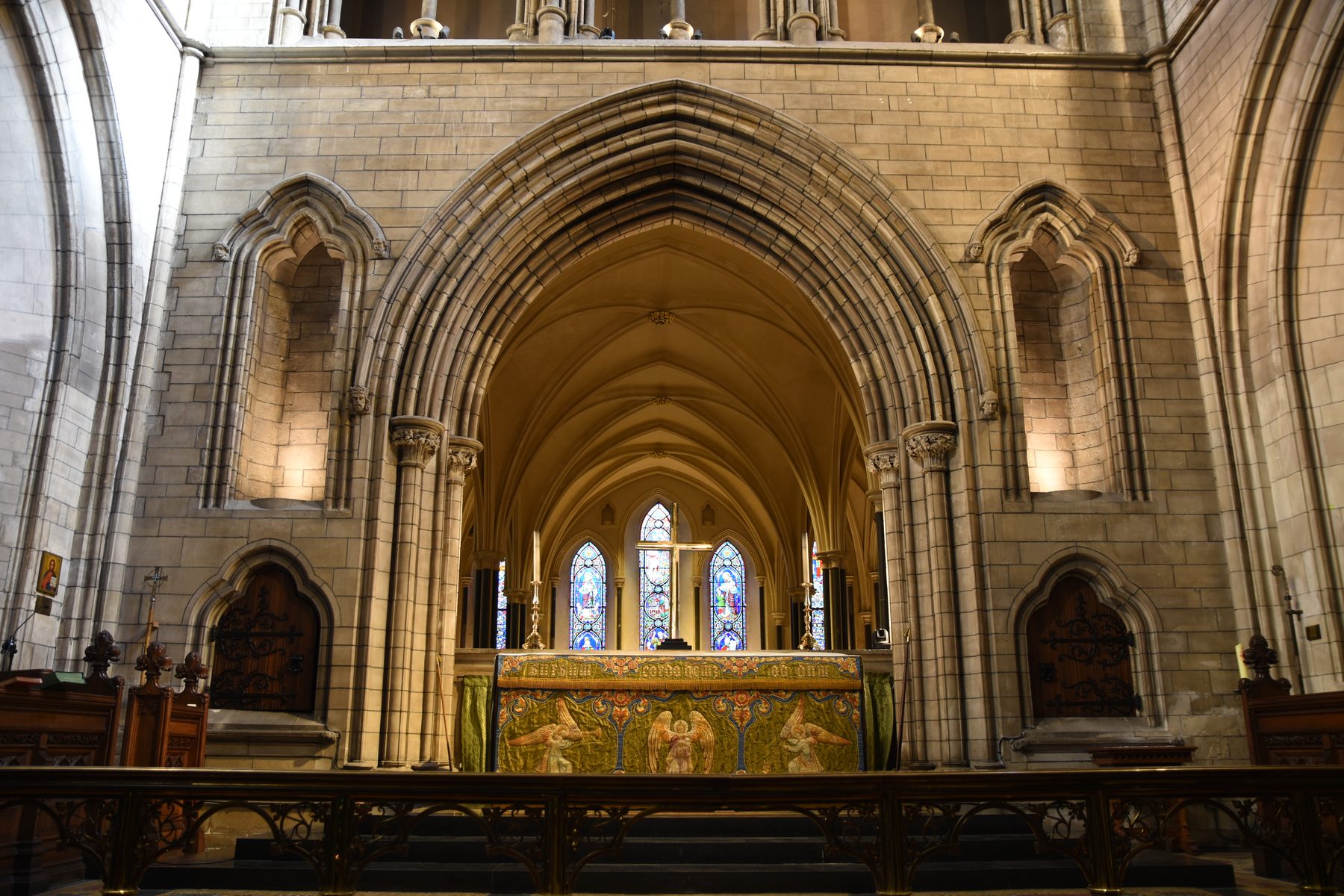
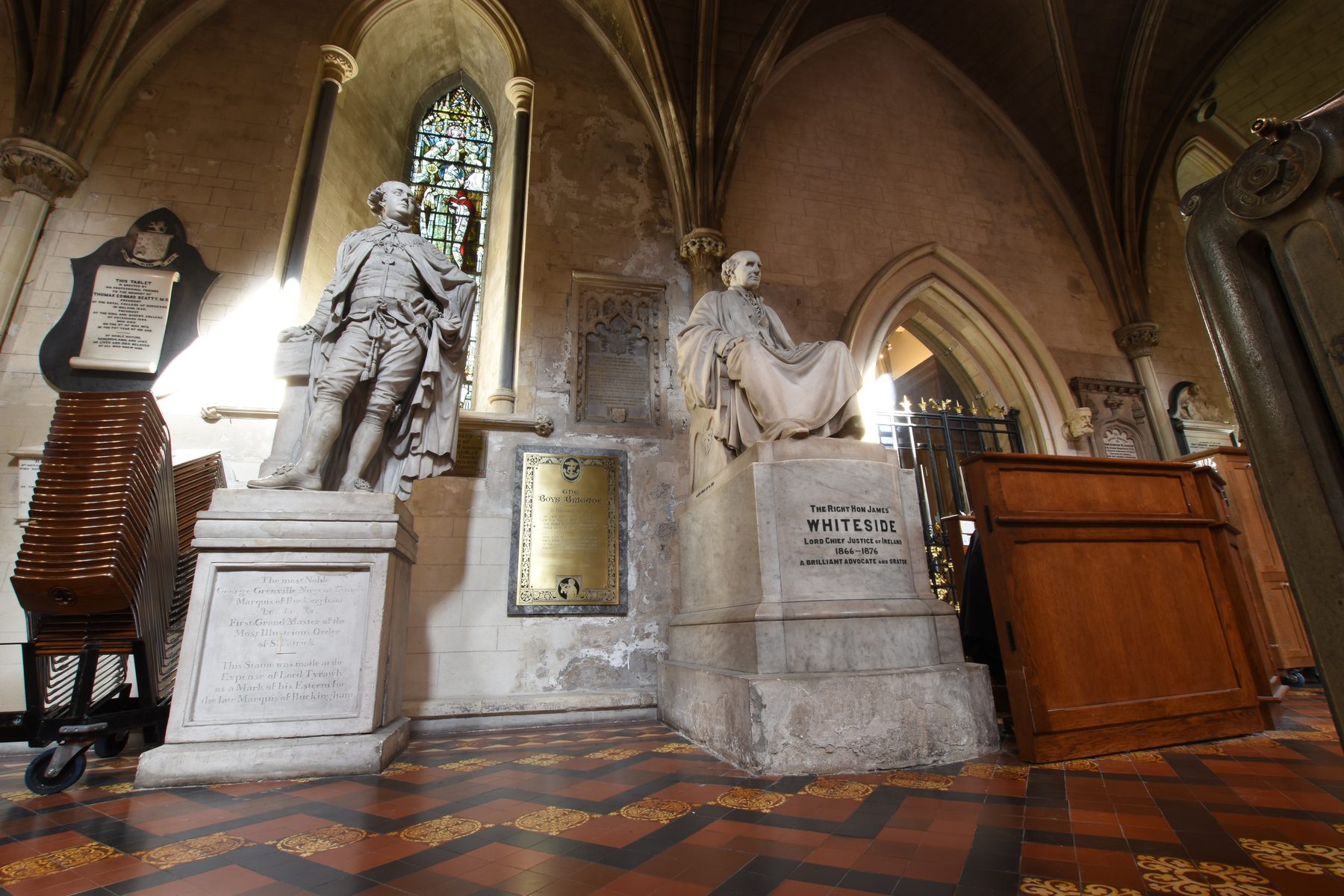
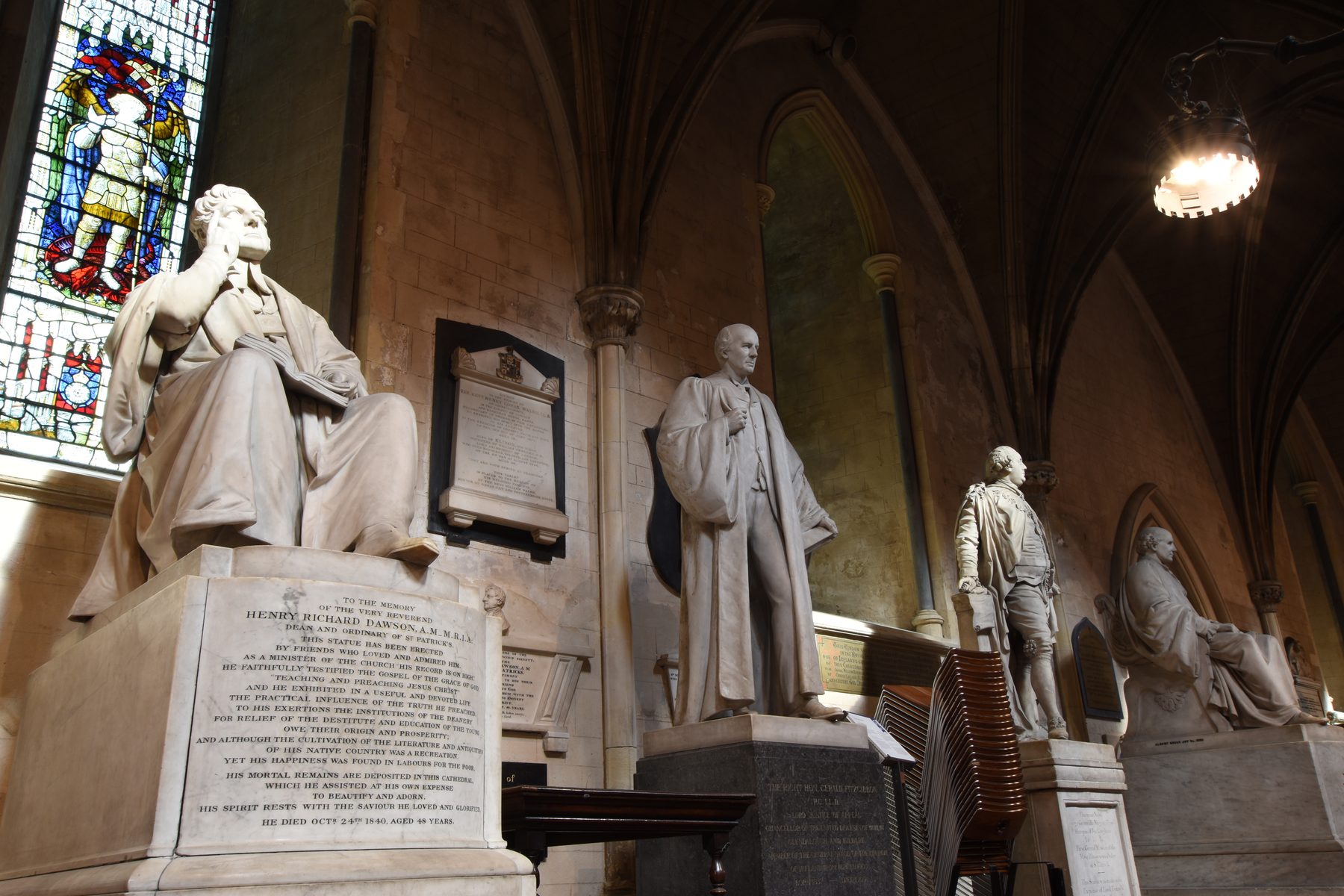
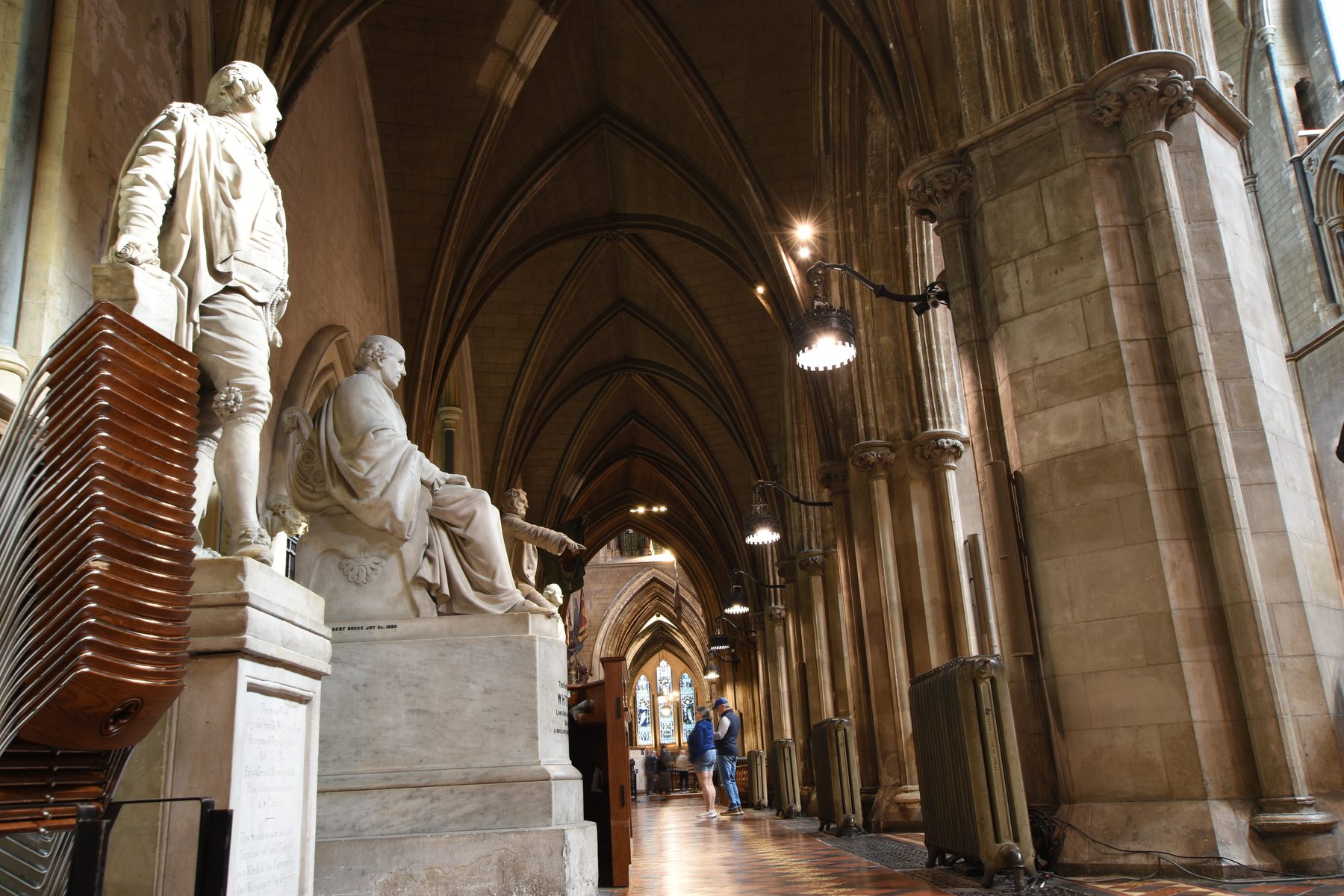
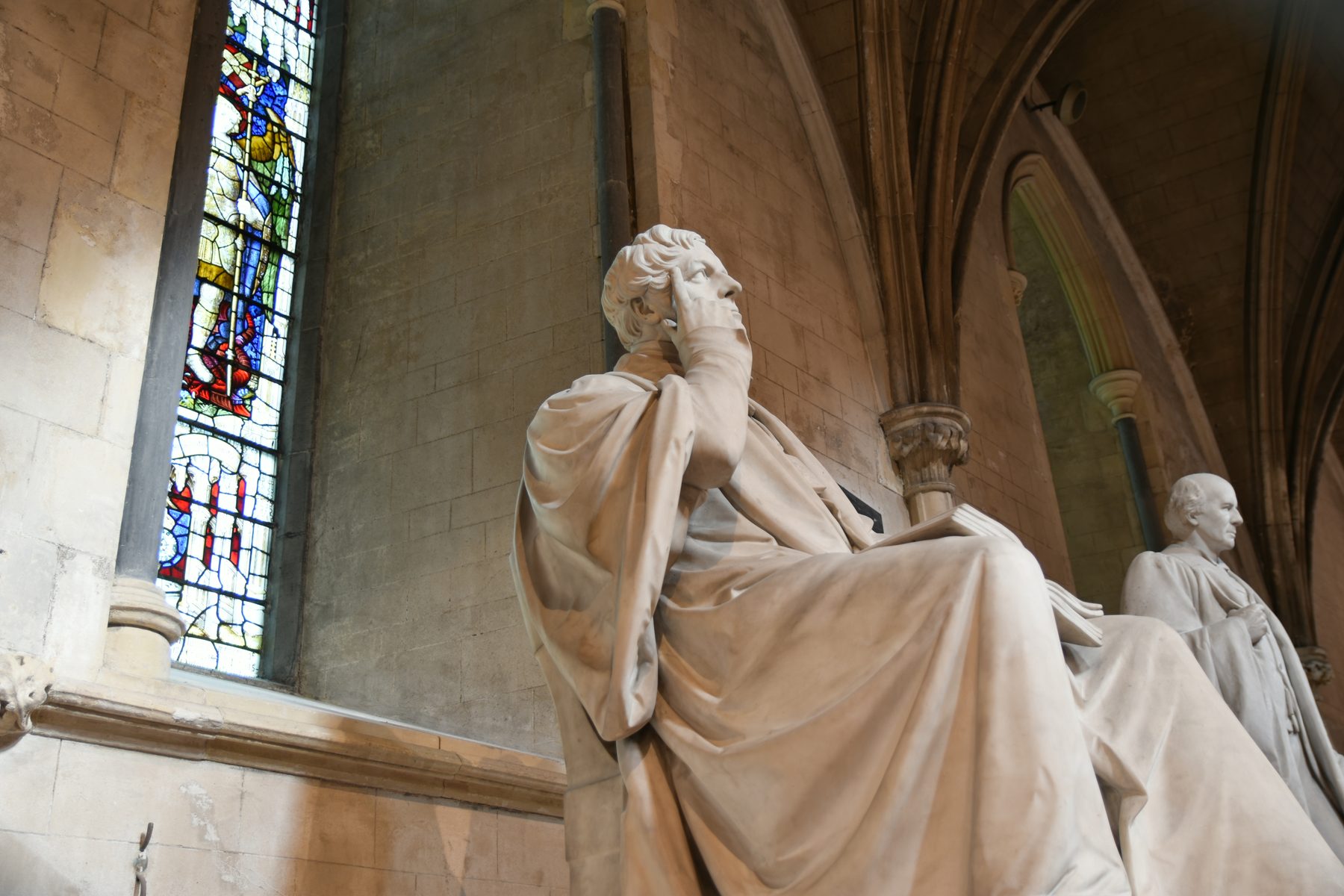
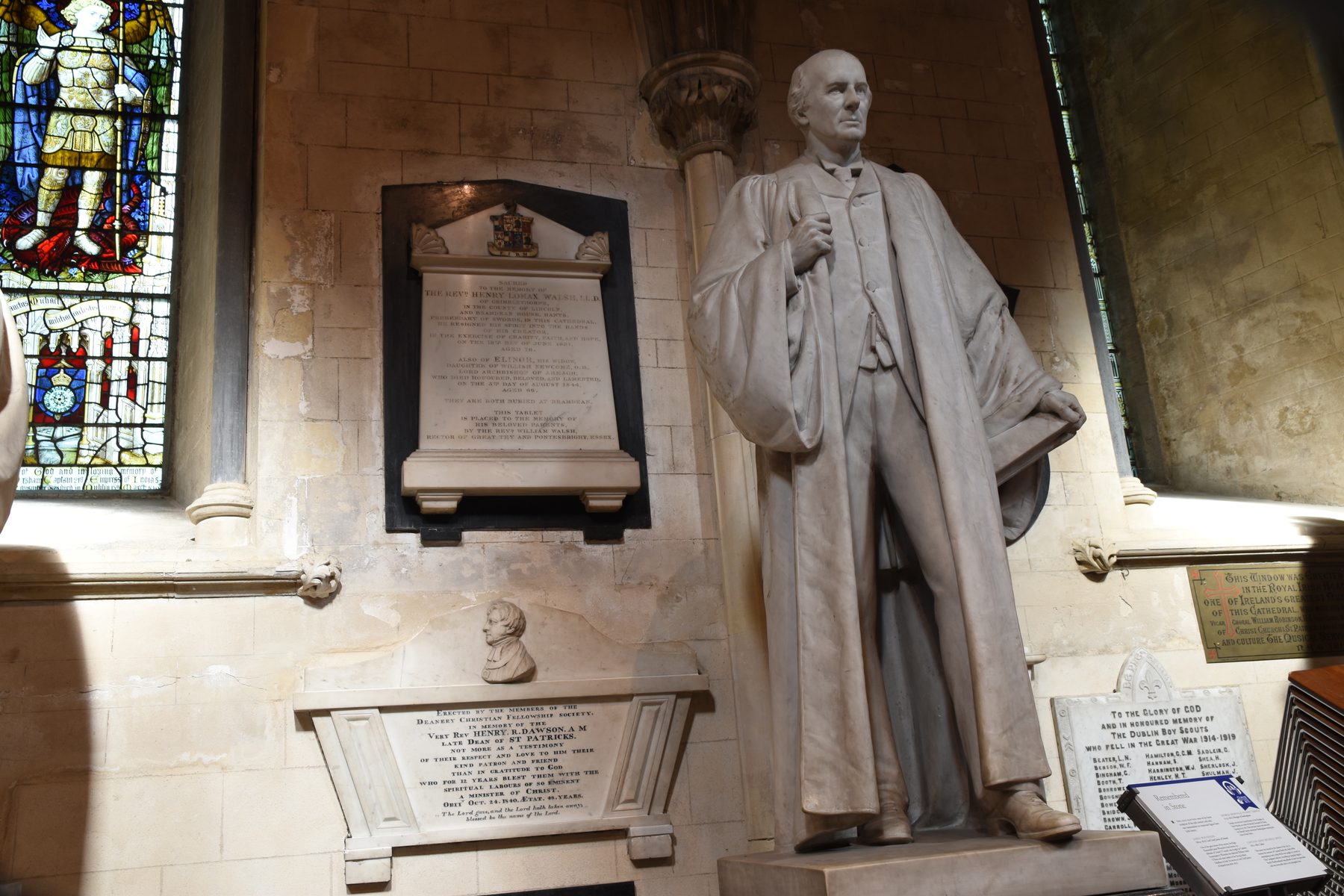
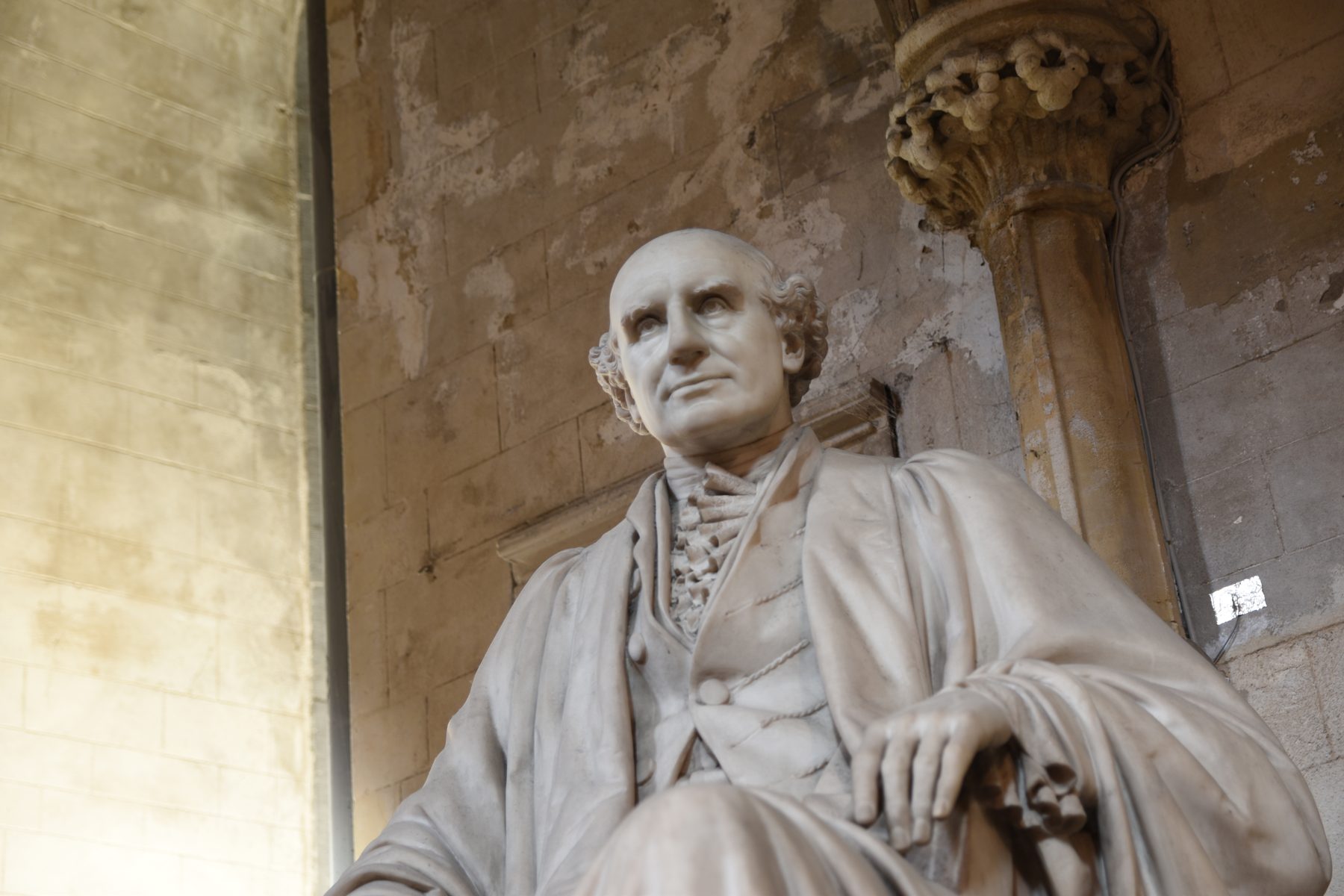
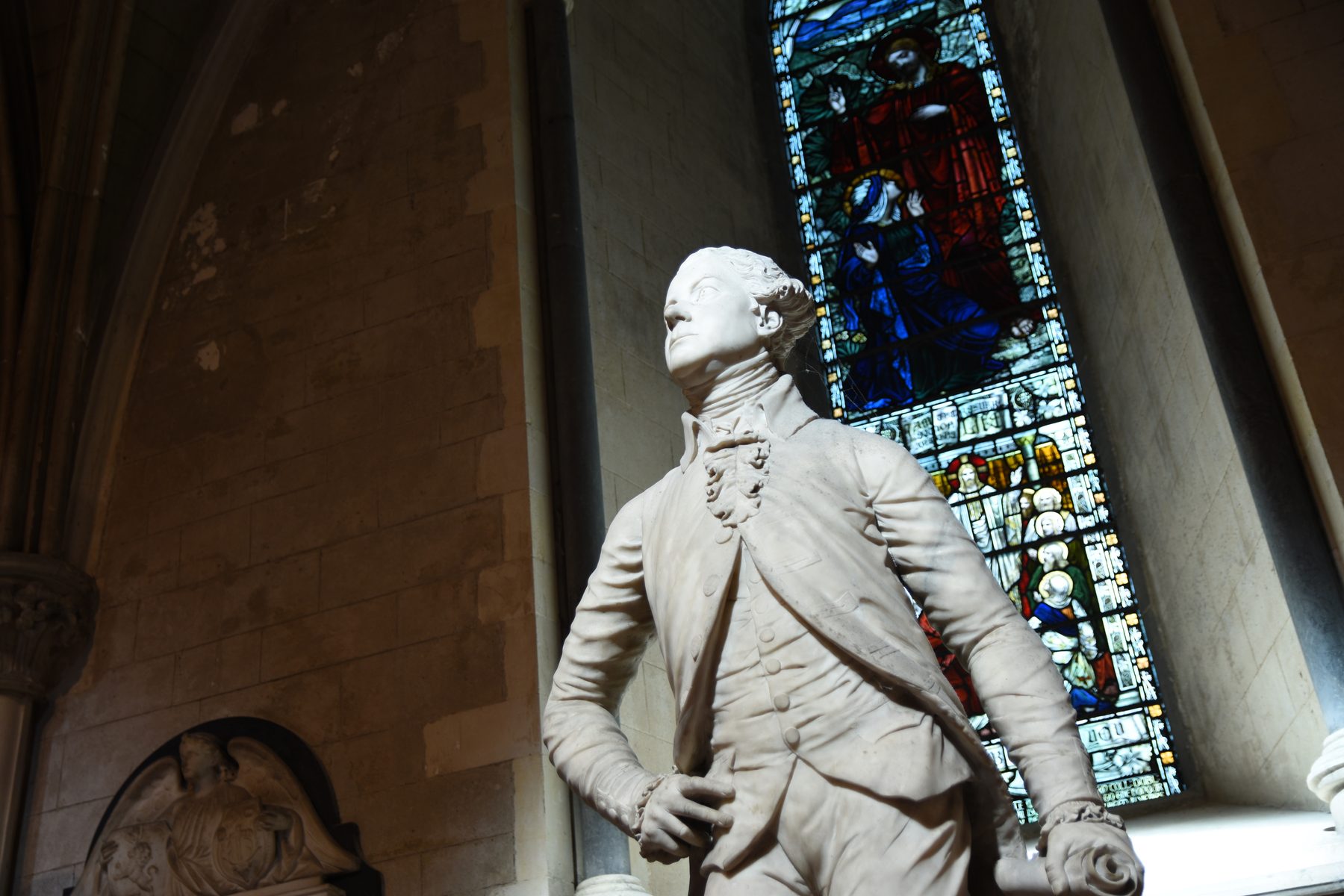
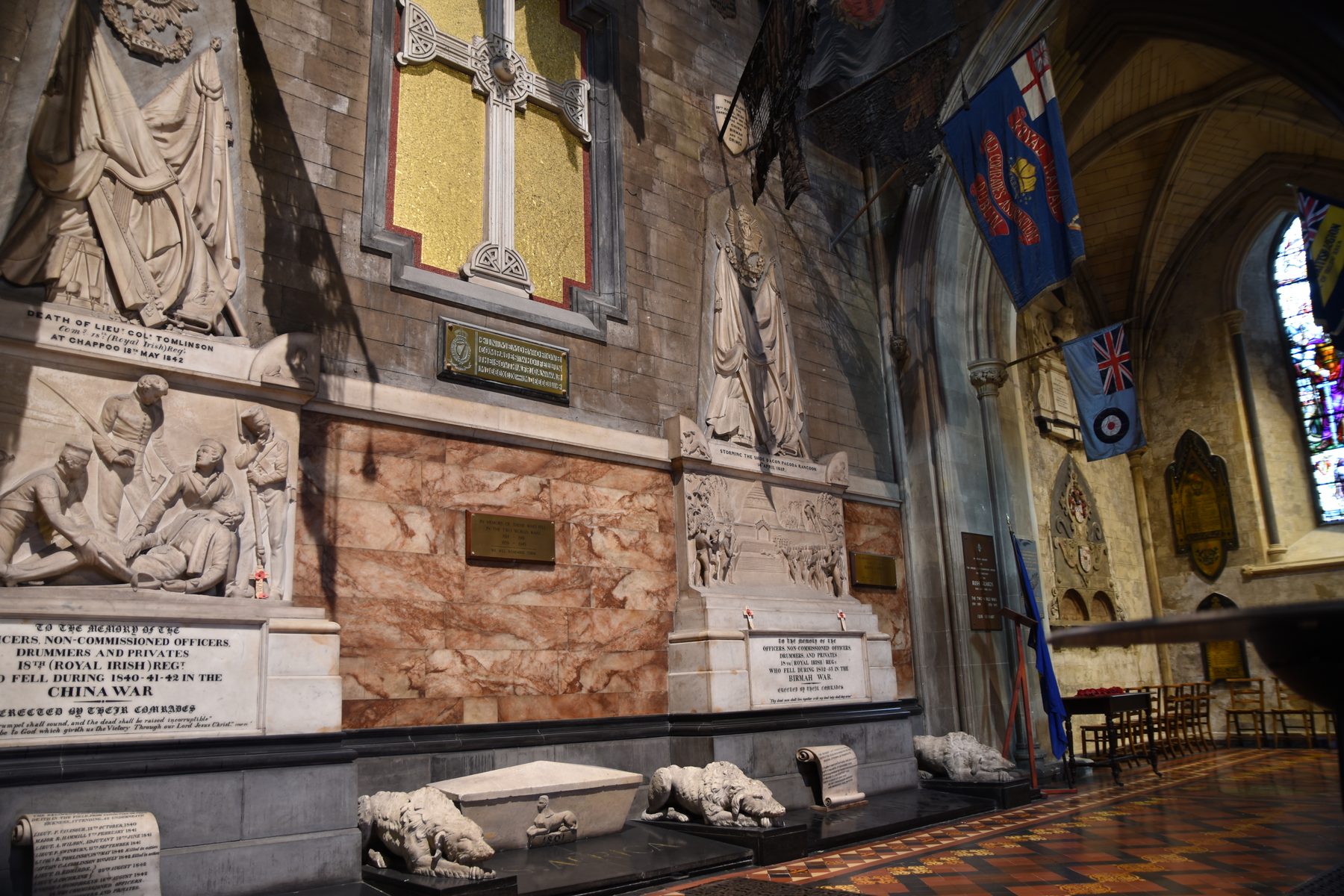
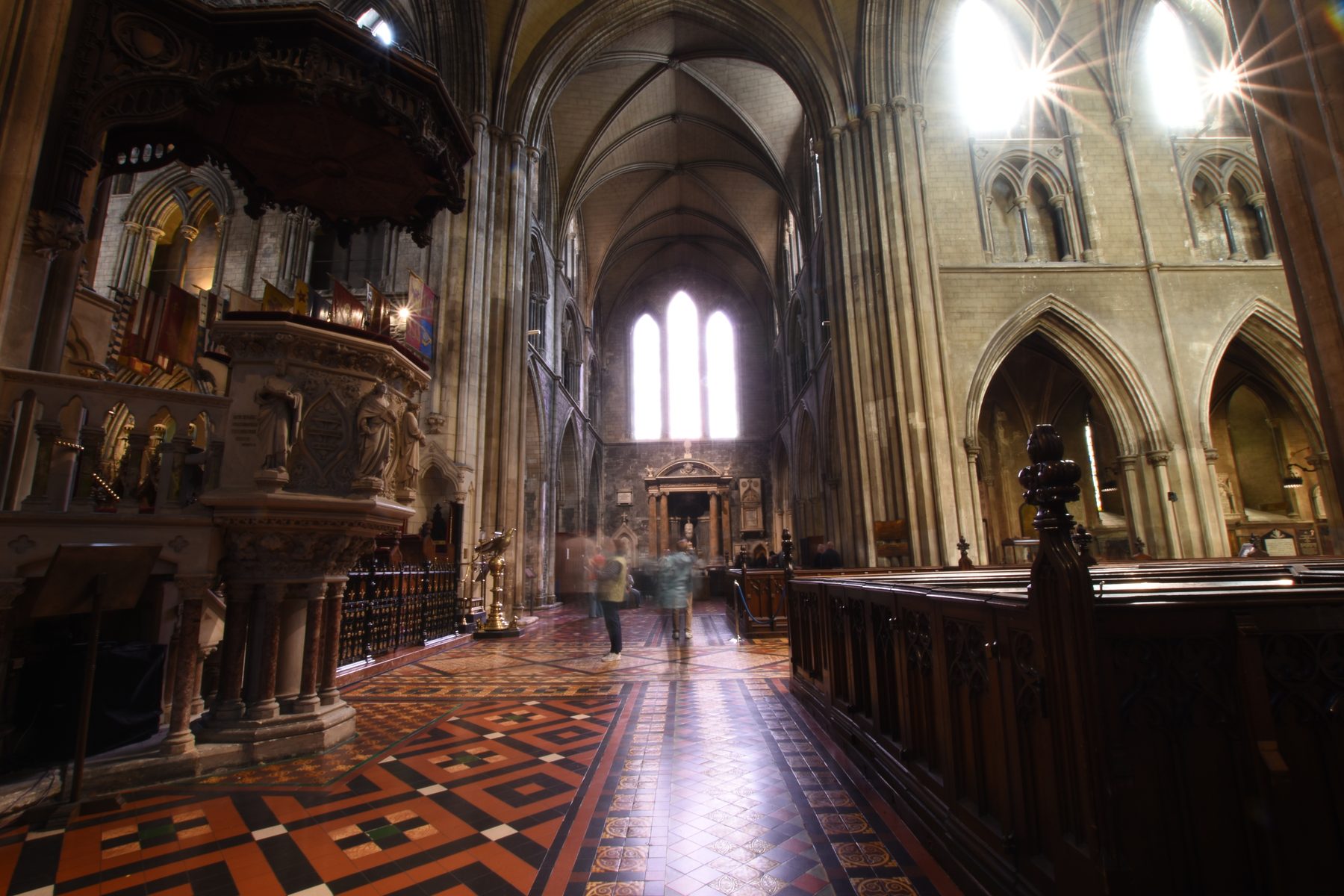
While Christ Church might win on the quirky underground crypt, St Patrick's is the one that really stops you in your tracks when you walk through the doors. The sheer scale of the nave and the volume of history stacked against every wall is genuinely amazing. Between the towering stained glass and the elaborate marble monuments, it feels less like a church and more like a huge, living museum of Dublin's history.
Standout Moments
- Taking half an hour to just sit by the fountain in St Patrick's Park before going inside. It is a brilliant spot for people-watching, filled with a mix of tour groups and locals on their lunch break.
- Seeing the actual wooden door that gave us the phrase "to chance your arm"—a brilliant bit of local history you don't expect to find inside a church.
- Spotting the burial place of Jonathan Swift, firmly grounding the cathedral in Dublin's deep literary roots.
- Learning that this ancient building was practically saved from ruins between 1860 and 1865 by Sir Benjamin Lee Guinness. He personally funded the £150,000 restoration—worth roughly €17 million in today's money—but only on the strict condition that the board gave him total control over the architecture without any outside interference.
Who will love this?
Anyone interested in architecture, literary history, or those who just want to experience the sheer scale of the largest church in the country.
Where to Eat
If the weather is dry, doing what the locals do and eating a sandwich out by the fountain in St Patrick's Park is ideal. If you're looking for a proper sit-down meal, the cathedral sits right on the edge of the Liberties in Dublin 8, meaning you only have to walk a few minutes up the road to find a massive selection of great cafes, restaurants, and gastro pubs.
Photo Gallery
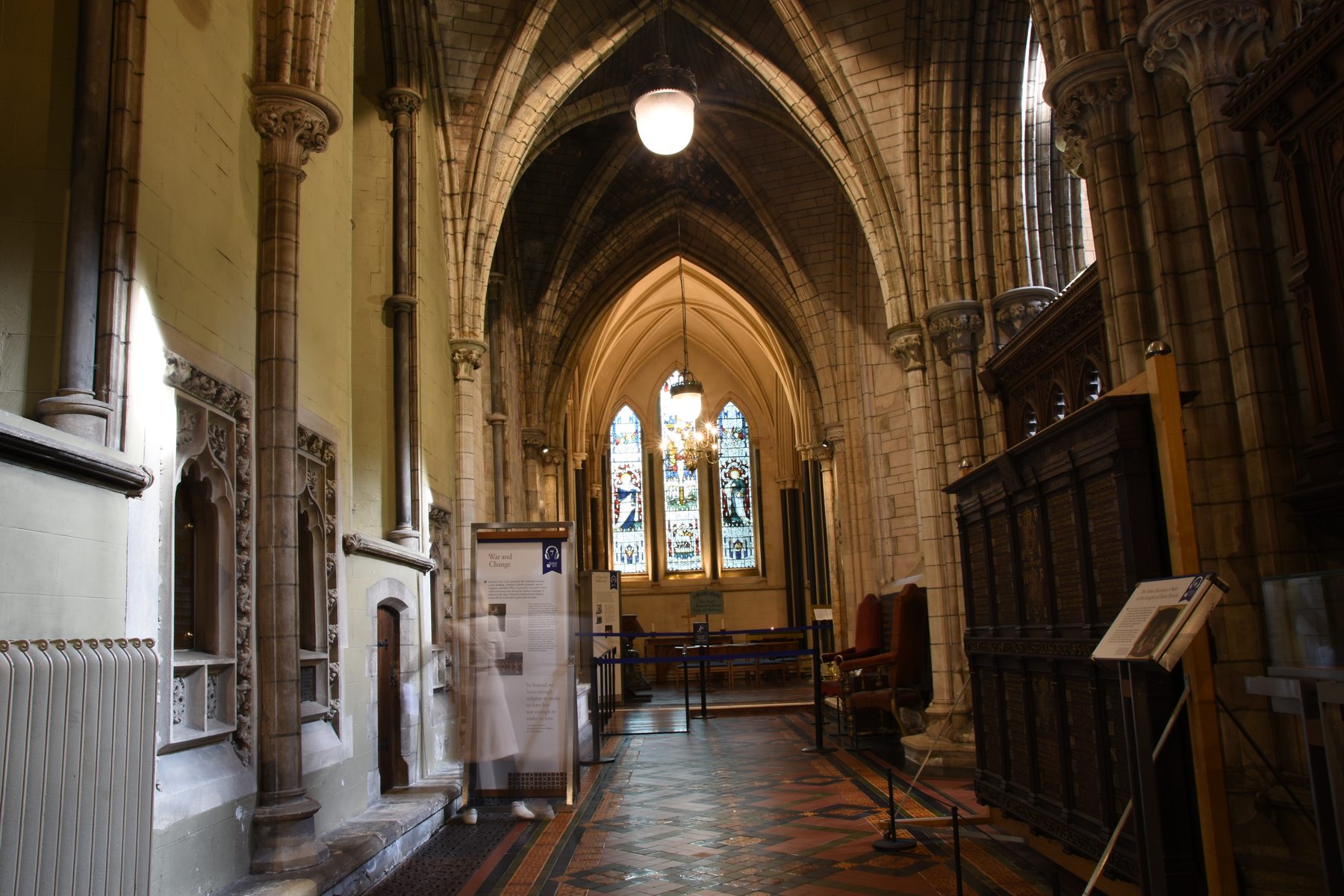
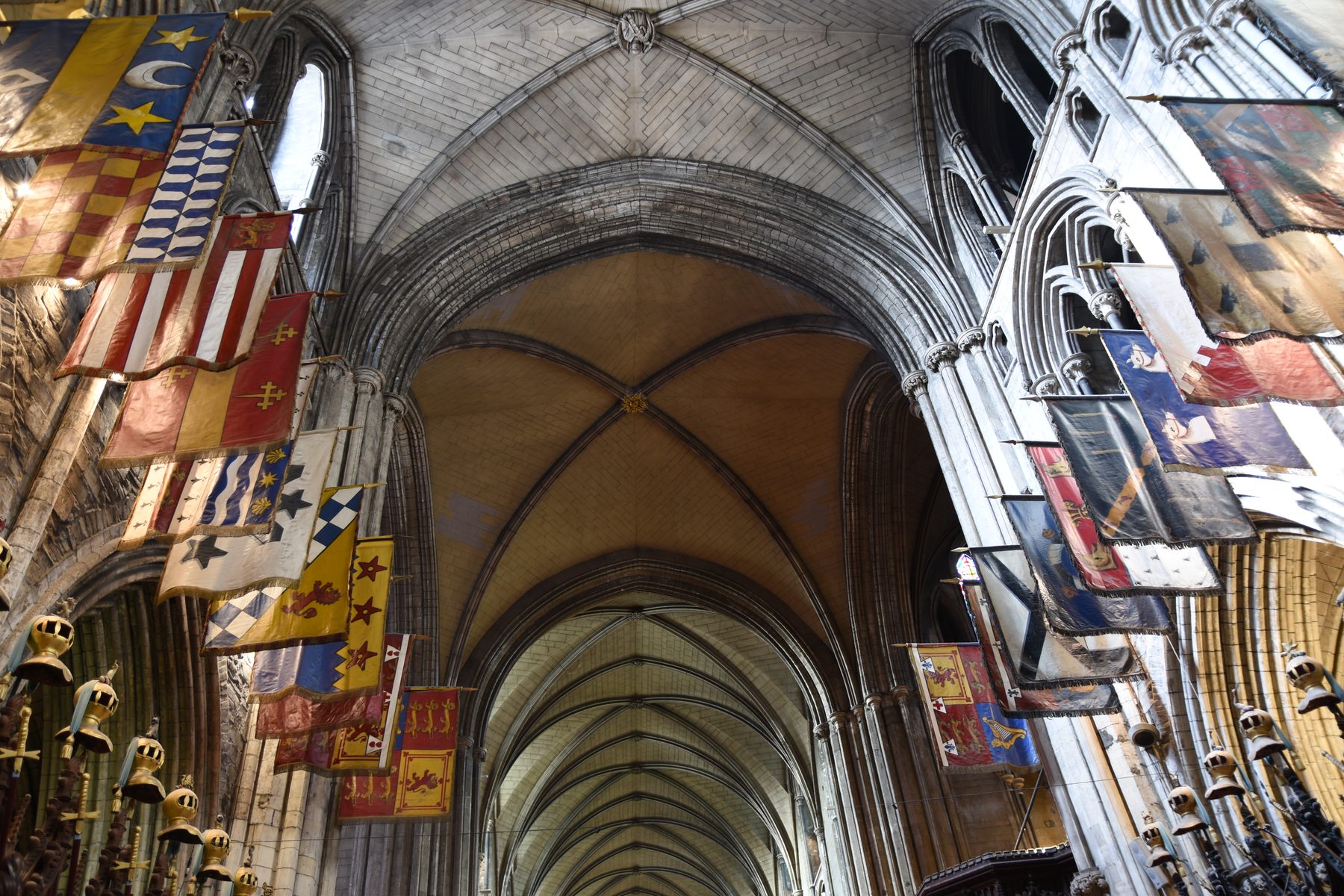
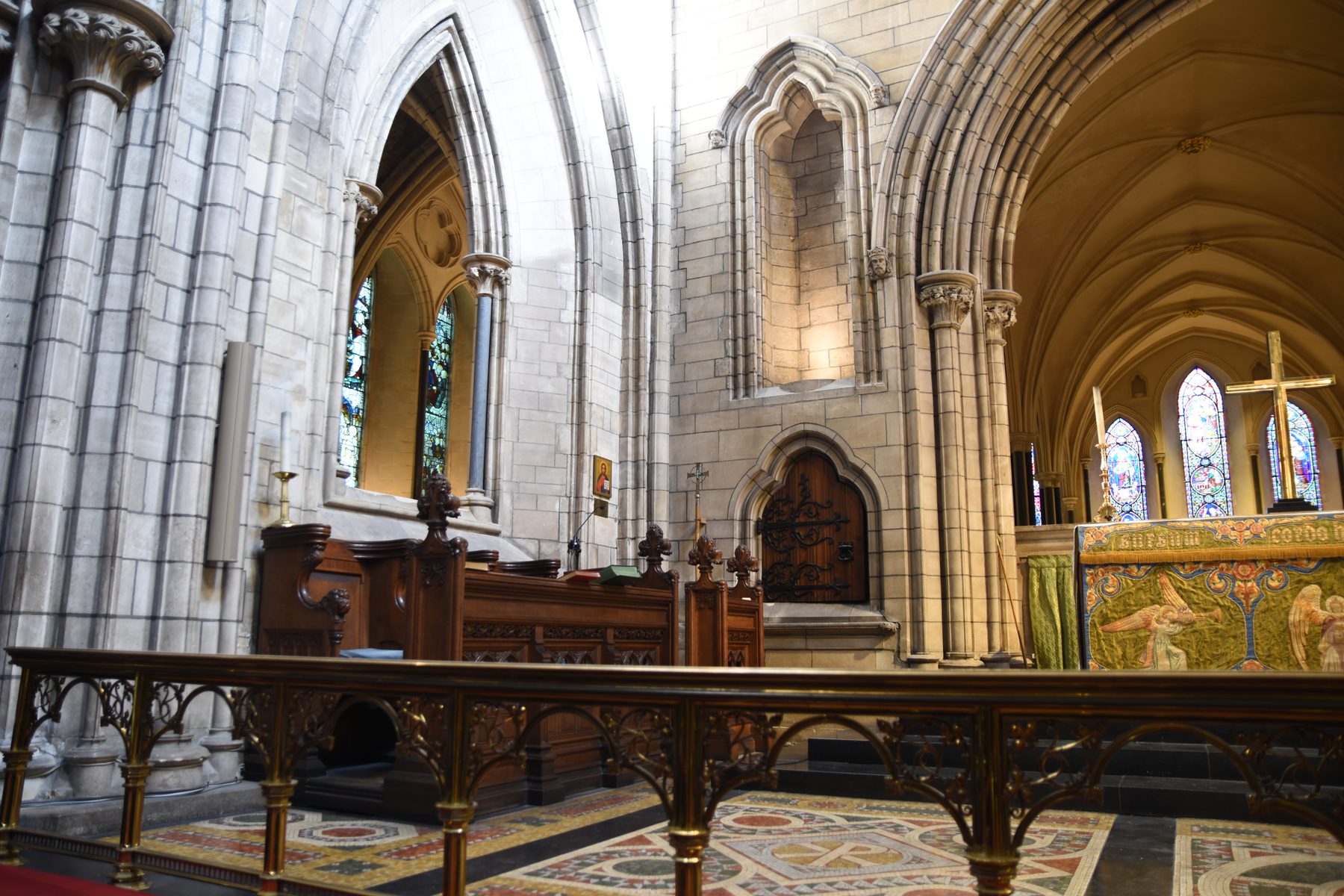
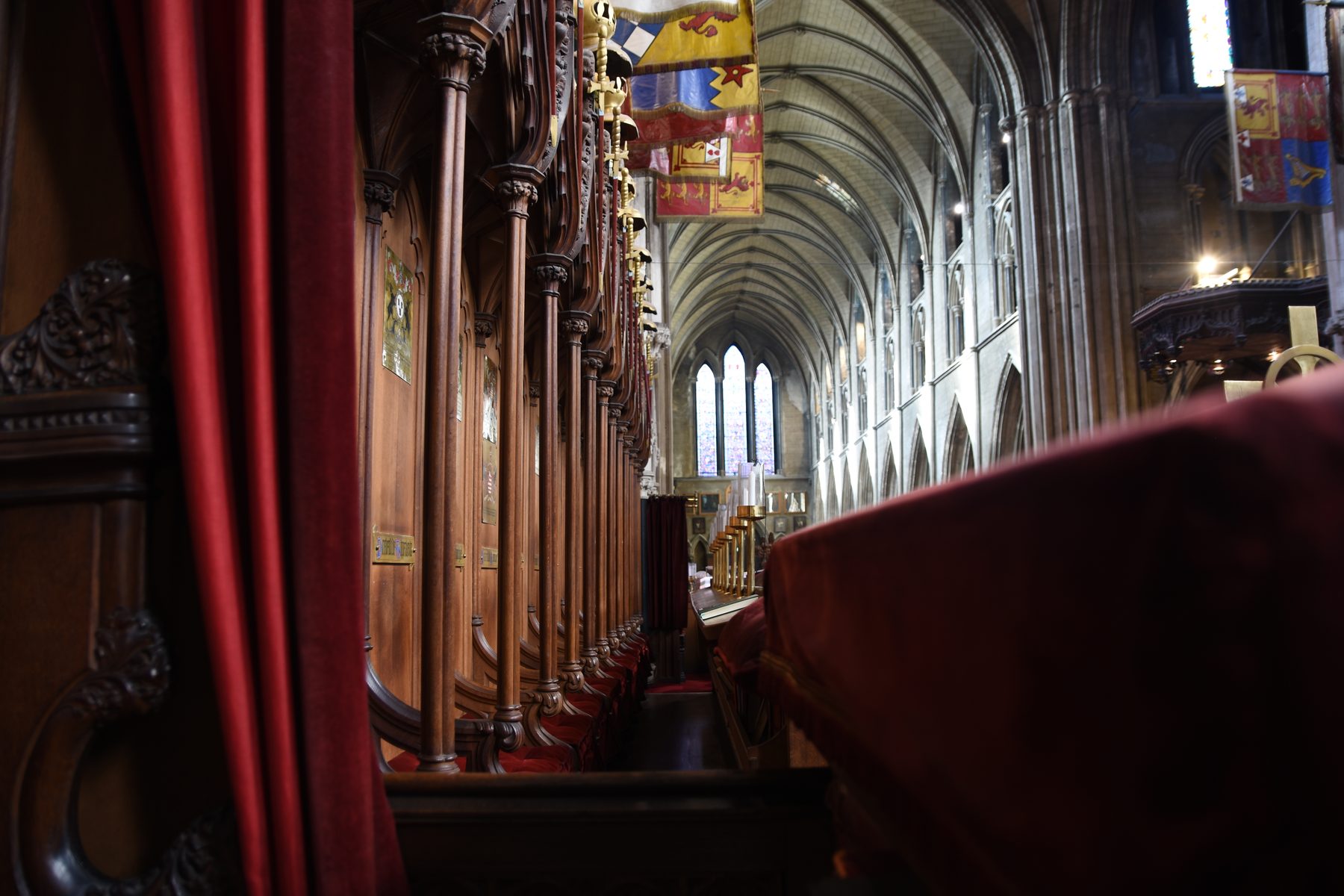
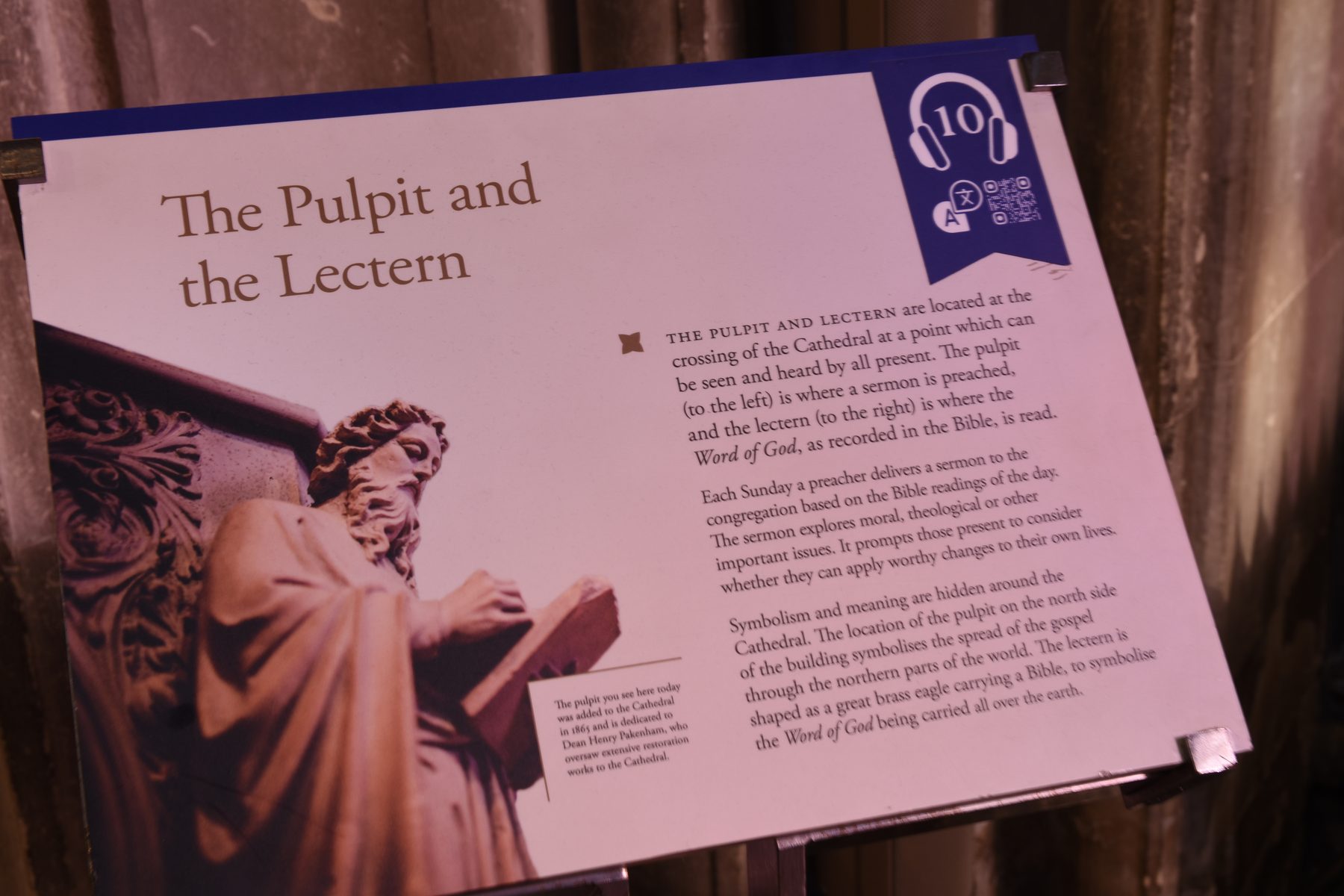
A few more shots from wandering around St Patrick's Cathedral and park.
The Verdict
St Patrick's Cathedral is absolutely worth the visit, and it earns its title as the National Cathedral. While it doesn't have the medieval crypt of its neighbour down the road, it over-delivers on scale, atmosphere, and literary history. Whether you want to pay your respects to the author of Gulliver's Travels, see the Door of Reconciliation, or just experience the largest church in the country for yourself, it is a great way to spend an hour in the capital.