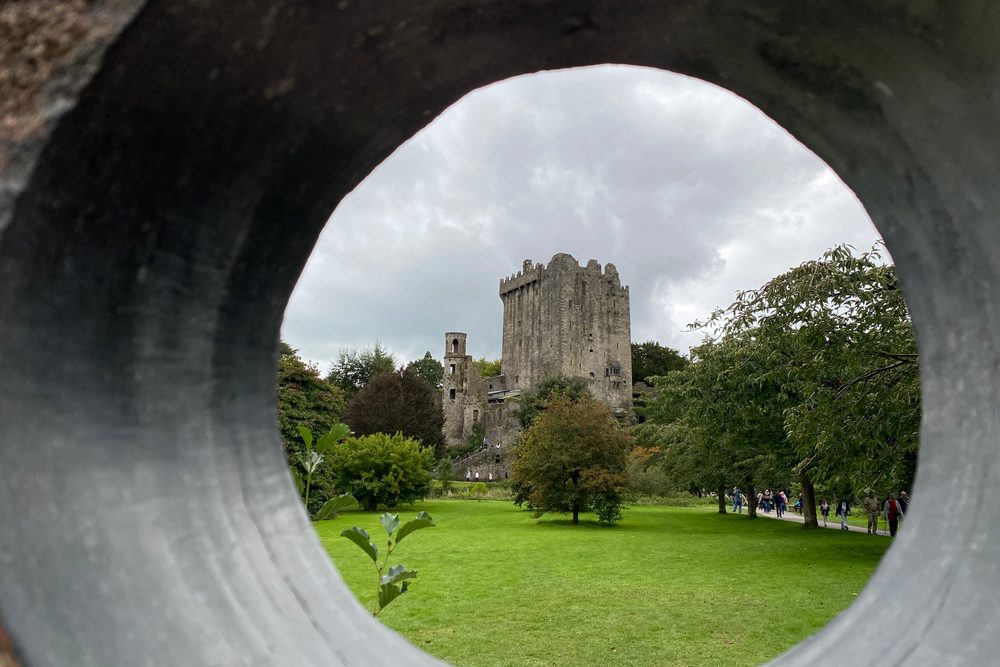
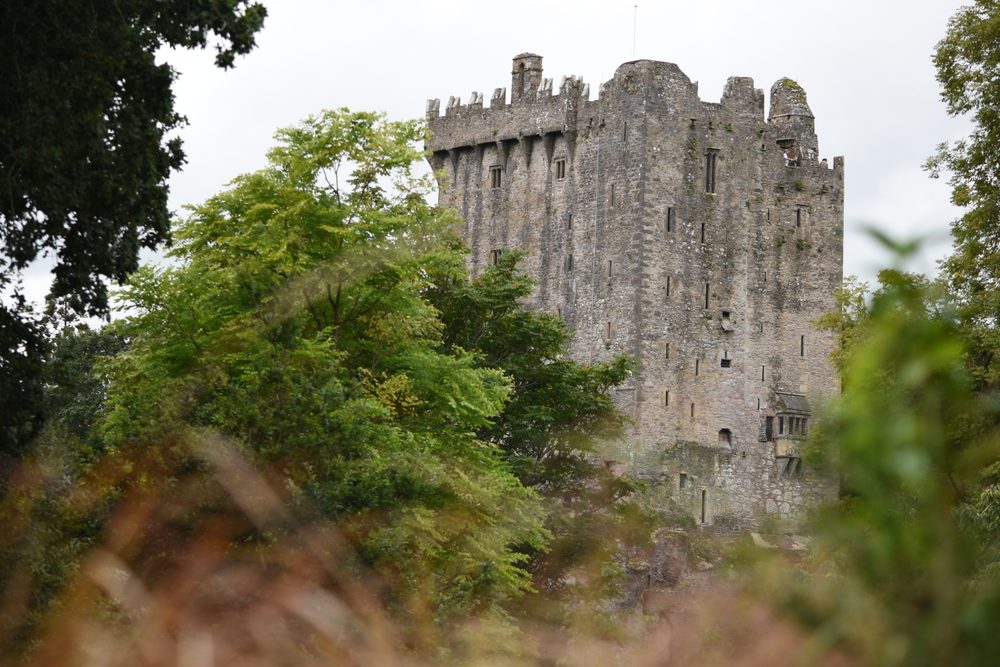
Located just outside Cork city, Blarney Castle is arguably Ireland's most famous landmark. Most visitors come for one thing: the moment they lean backwards over the parapet to kiss the legendary Blarney Stone, and the photograph that proves it. What they discover along the way is that the ruined medieval tower sits in 60 acres of incredible gardens, woodlands, and walking trails. It's an essential stop on any tour of Ireland, provided you know exactly how to tackle the steep steps and the peak-season queues.
What's in this article
Jump to sections:
Tour Gallery
Why visit Blarney Castle?
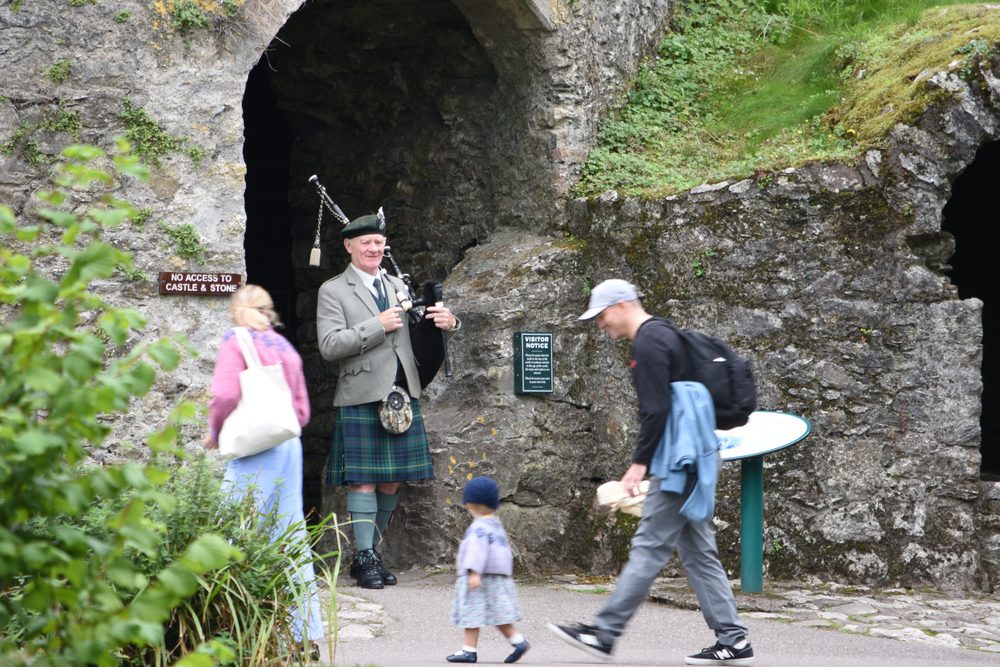
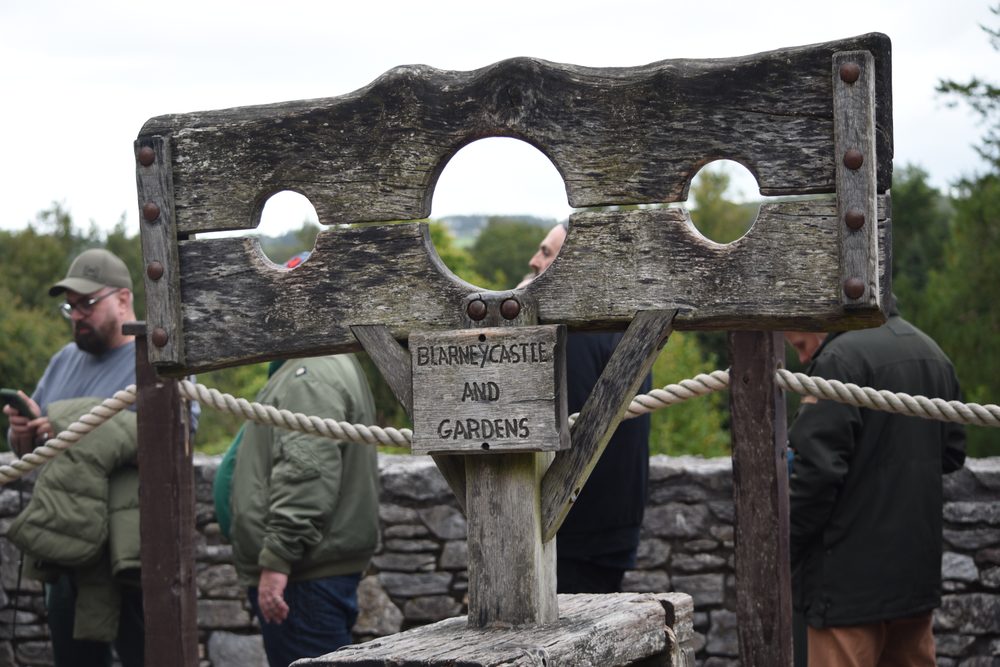
Blarney Castle offers far more than a quick photo op, swapping your standard tick-the-box castle stop for 60 acres of walkable gardens and woodlands. It's all centred around the legendary Blarney Stone, and the generations of visitors who have leaned backwards over the parapet to kiss it. It makes for a proper half-day out, giving you a genuine medieval keep to climb and enough outdoor space for a good wander through.
The history of Blarney Castle
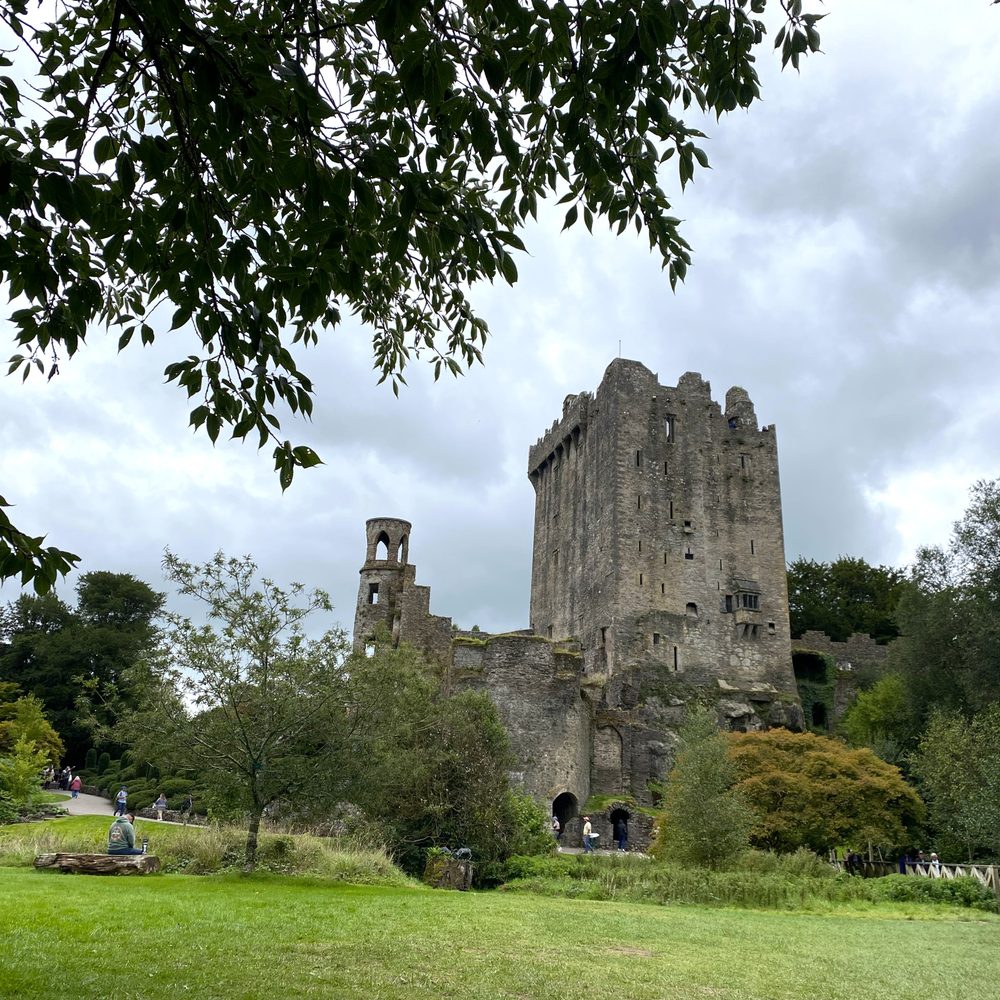
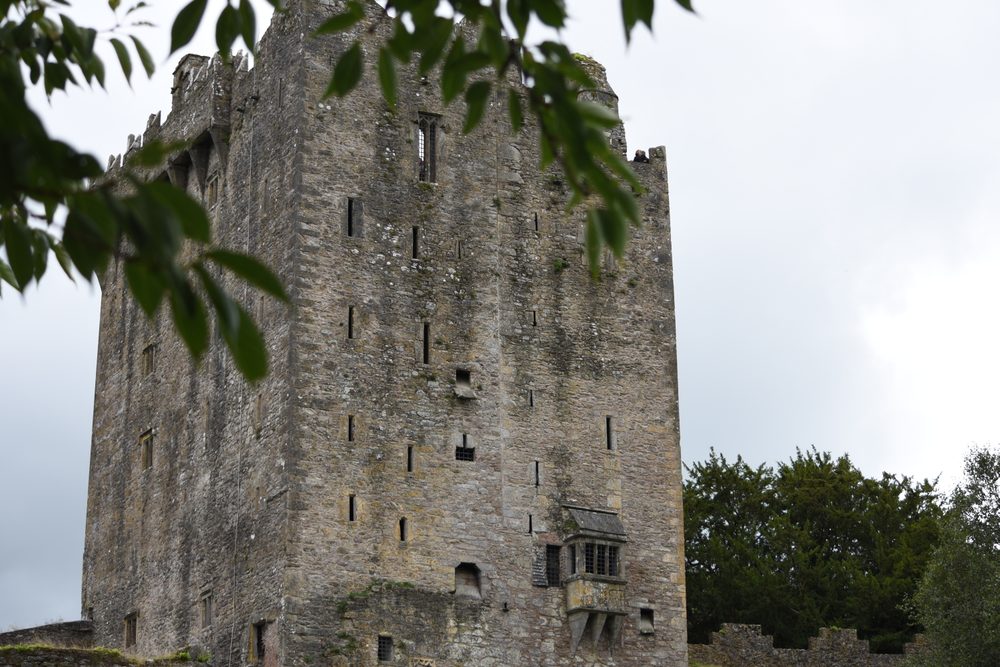
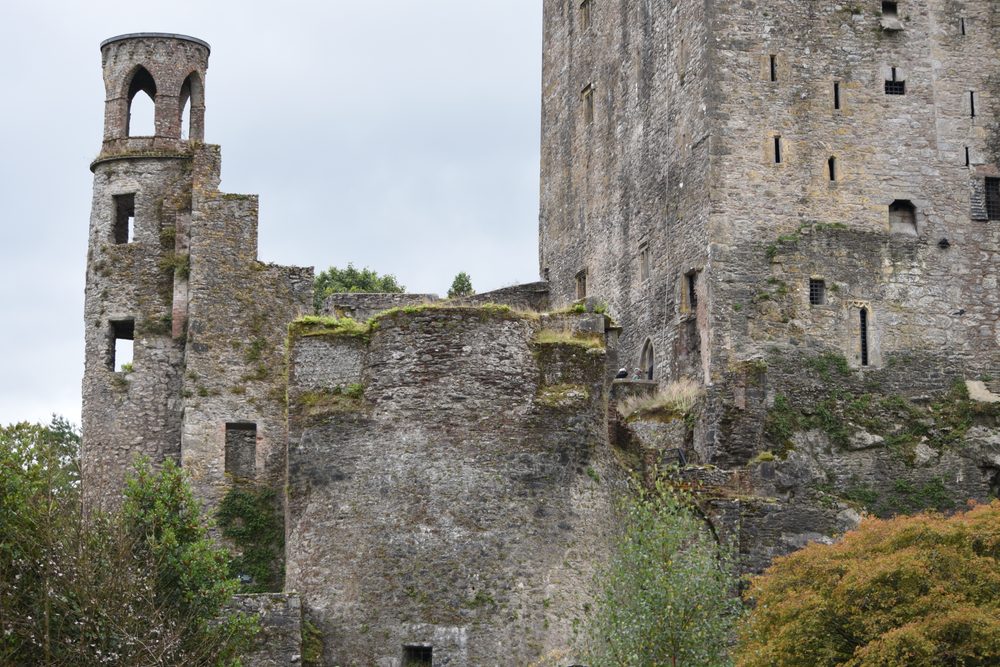
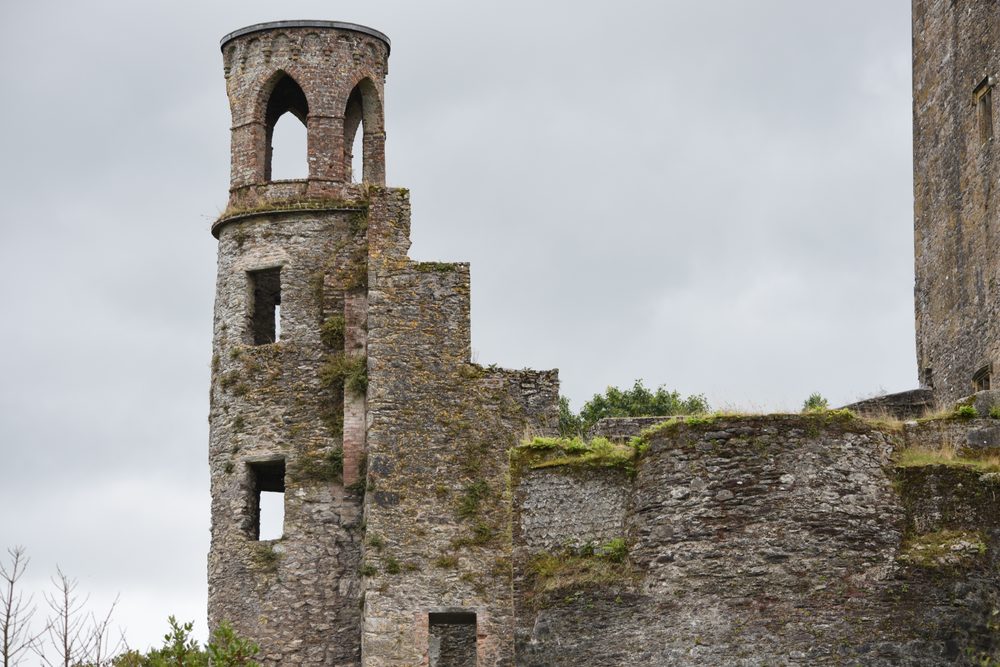
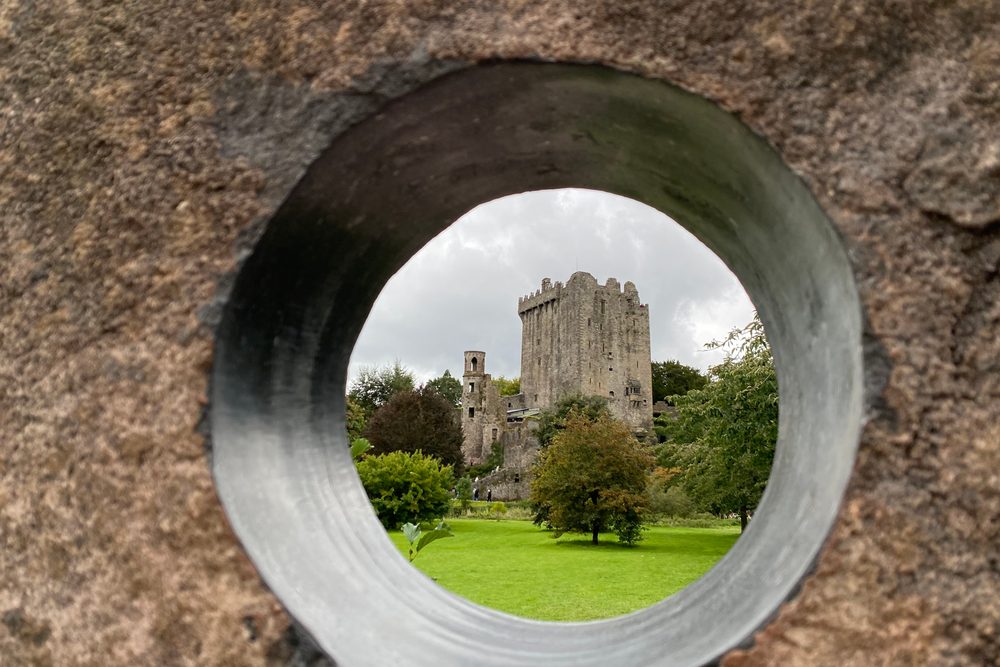
The present day tower was built in the 15th century by Cormac MacCarthy, one of the most powerful chieftains in Ireland, as a stronghold for his clan. It was designed to withstand a siege, with walls up to 18 feet thick in places, and it stood up to rival families and invading armies for centuries. The real test came in the mid-17th century, when Lord Broghill, one of Cromwell's commanders, besieged the castle. The defenders eventually slipped away through the badger caves beneath the grounds, but the tower survived the bombardment and is still standing.
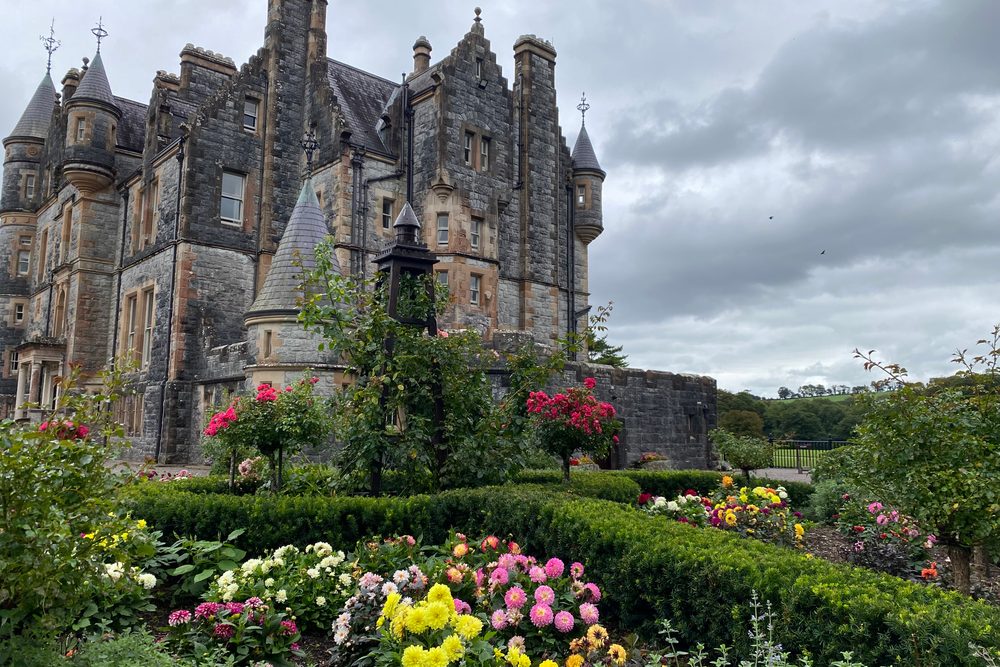
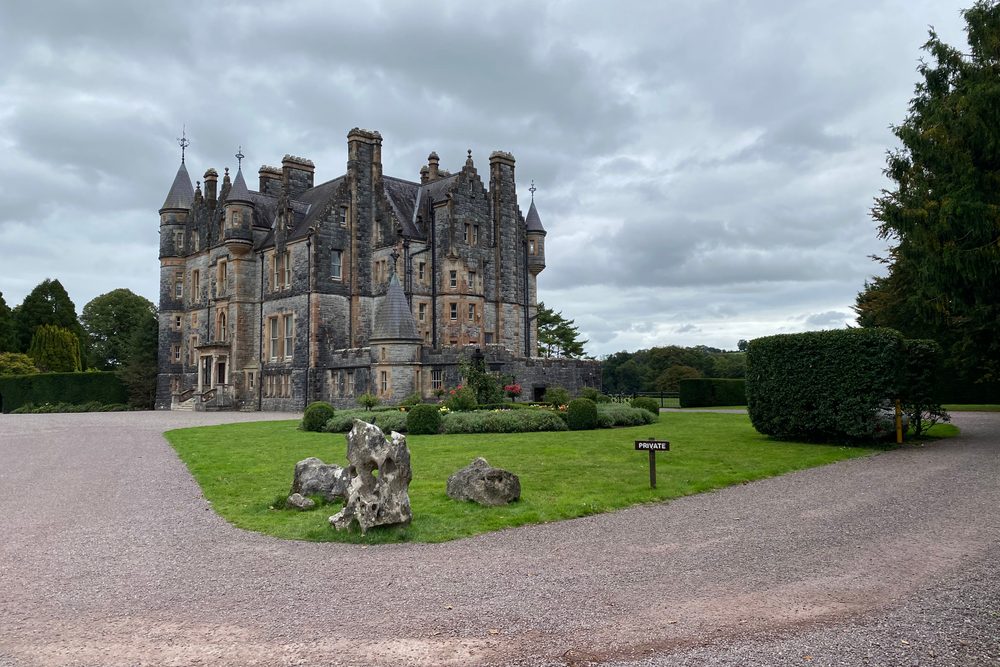
The Blarney Stone was set into the battlements back in the 15th century, though the tradition of kissing it for the "gift of the gab" was only popularized centuries later. The grounds changed just as dramatically in the 19th century, when Blarney House, a Victorian castle-style manor, was built close to the keep and the estate became the parkland you walk through today.
Essential visitor information
Time needed:
Allow at least three hours. It takes time to climb the tower and queue for the stone, and skipping the lake walk, fern garden, and arboretum completely defeats the purpose of the estate. Throw in another attraction or two and a touring day built around Blarney runs to about six hours.Opening hours:
The castle and gardens open daily from 9:00am to 6:00pm between May and September, with shortened closing times from October to April. The grounds are highly exposed to the elements, so access to the tower can be restricted during severe weather.Entry:
Standard admission is €24 for adults, €12 for children (6-16), and €19 for students and seniors. Rates can change, so always check the official Blarney Castle website before you book.Getting there:
The estate sits right in the centre of Blarney village, about 8 km north-west of Cork city. It's a straightforward 15-minute drive from the city centre with free parking on site, or a handy half-hour trip on the 215 bus departing from Cork city's Parnell Place. Coach tours usually set you down at the Woollen Mills across the green, which leaves a short walk up through the village to the gate.Kids:
The wider estate is brilliant for families with plenty of space to run, but kissing the stone itself is awkward and often frightening for smaller children due to the sheer drop and the physical backward lean required.Accessibility & facilities:
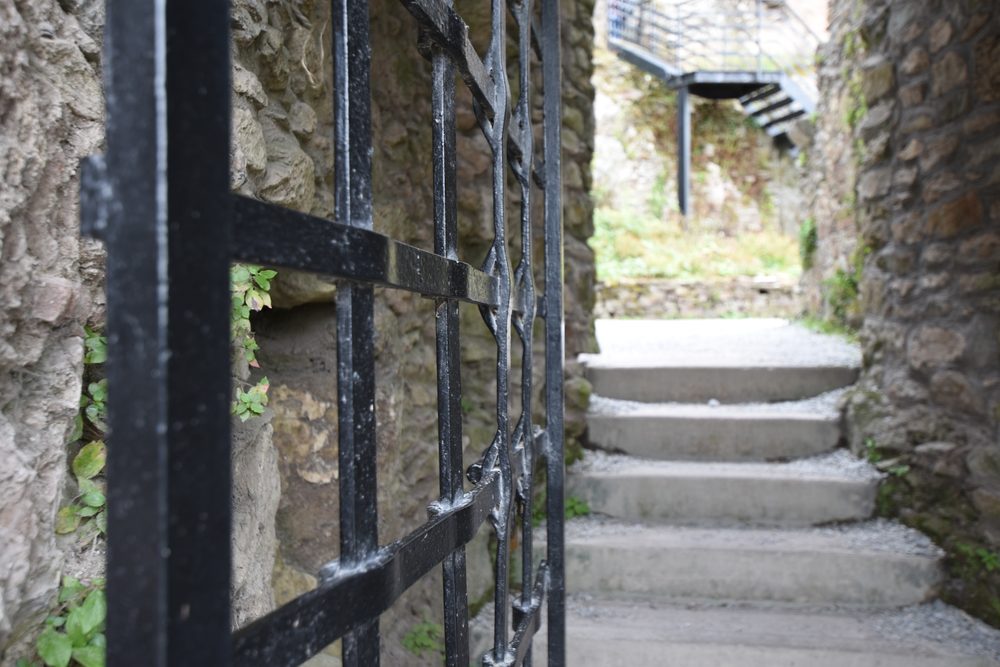
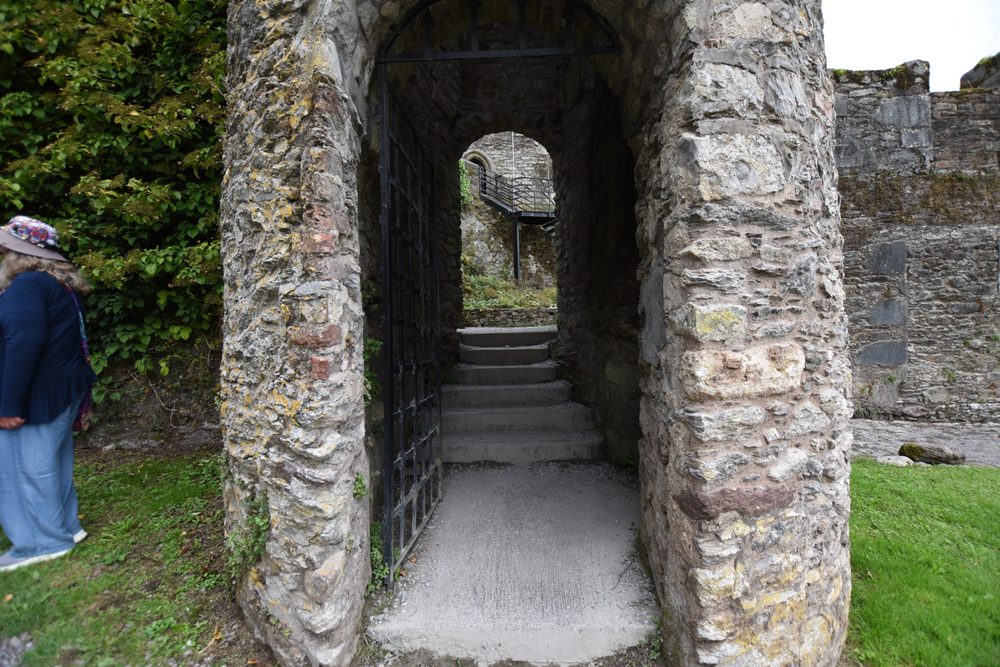
The visitor centre, cafés, and main garden pathways are flat and accessible. However, the castle itself is a medieval ruin with zero modern access; the only way up is via a tight, uneven, 100-step spiral staircase, so take it slowly if you have limited mobility.What to bring:
Sensible footwear for the garden trails and a decent waterproof layer. Leave heavy backpacks in the car or at the front desk, as they're awkward to carry up the narrow castle stairs.
Considerations from the experts
Based on conversations with the team who guide our tours, here is the unvarnished reality of what you need to know before you tackle the tower.
Weather & conditions:
The battlements at the top of the tower are completely open to the elements. If it's raining, those worn stone steps get dangerously slippery, and standing in a slow-moving queue on an exposed, windy roof is miserable without a proper rain jacket. Rain is also when the ticket feels weakest value: the tower is still there, but the gardens, where most of what you paid for actually sits, are the first thing anyone cuts short.Mobility & access:
Don't underestimate the climb. It's a genuine, narrow medieval spiral staircase with only a rope rail. If you struggle with steep, uneven steps, you're much better off skipping the tower and spending your time enjoying the reassuringly flat gardens instead. If you do start up, bear in mind that coming down is harder on the knees than going up, and that turning around at the first landing is a perfectly sensible thing to do.Families & groups:
Wheelchairs and strollers can't be taken inside the castle. When the large coach tours arrive mid-morning, the queue for the stone can back up all the way down the stairs. If you see a line snaking out the castle door, go walk the gardens first and come back when it clears.Photography:
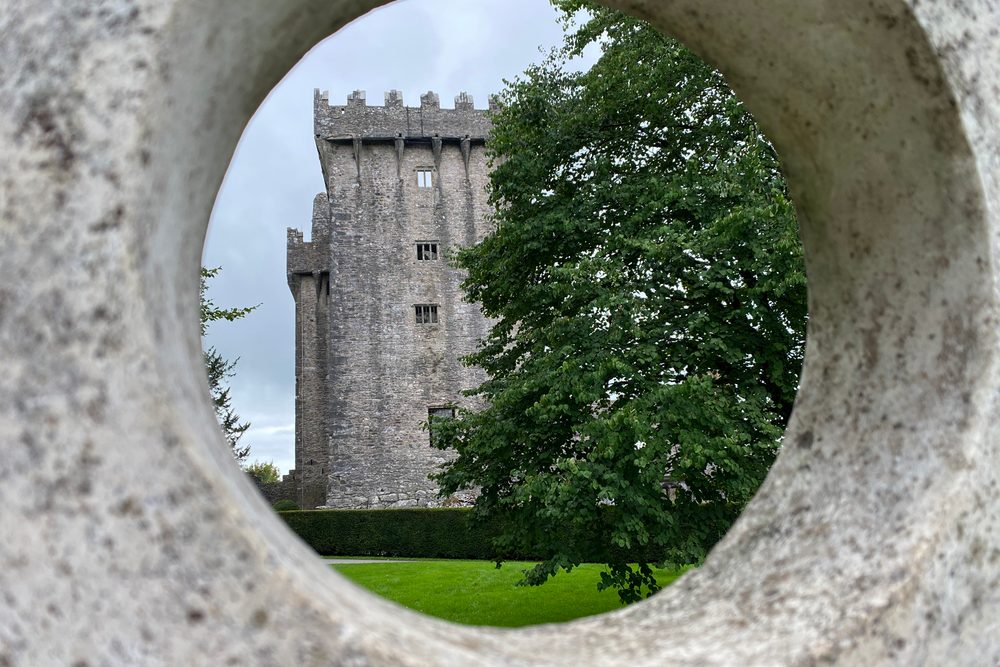
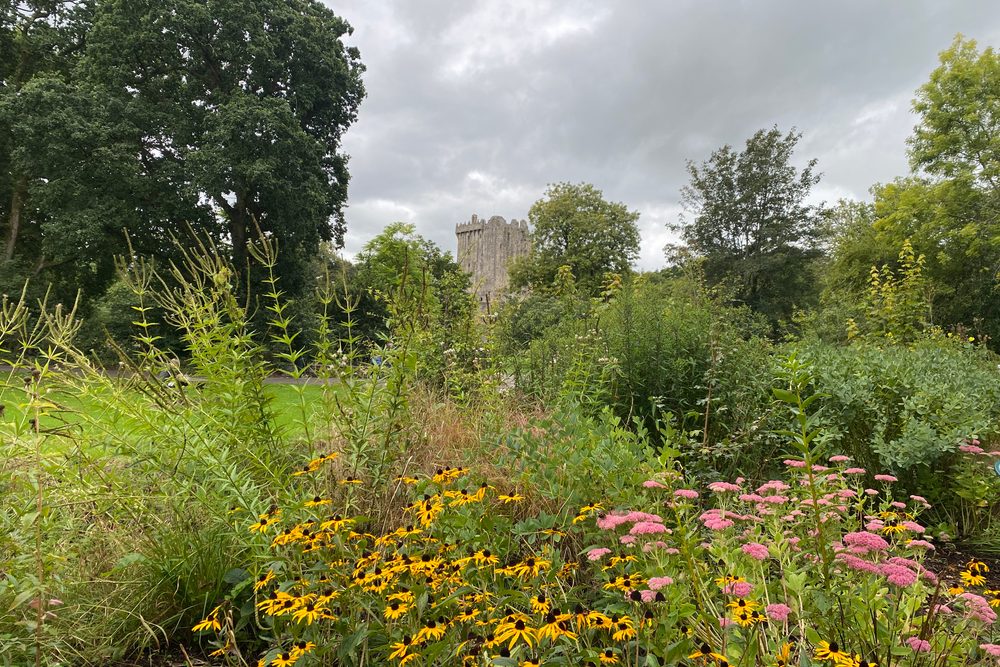
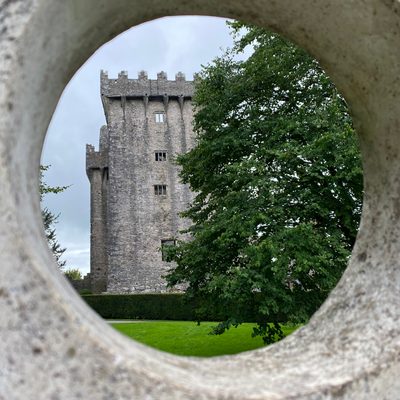
You'll get your best wide shots of the tower from the lawns near the Poison Garden. Up top, there's an official photographer positioned at the Blarney Stone. You're completely free to take your own photos, but hand your phone to the person behind you in the queue. Trying to take a selfie while leaning backwards over the drop will almost certainly result in waving goodbye to your phone as it takes the 90-foot plunge.
Options and inclusions
A standard ticket covers your entry to the main castle tower, the opportunity to kiss the stone, and full access to the 60-acre gardens, woodland walks, and the Poison Garden.
During the summer months, your admission also grants you access to the ground floor of the 19th-century Blarney House, a spectacular Victorian castle-style manor situated on the estate.
If you're visiting Blarney as part of a vacation with My Ireland Tour, your full entry ticket is 100% included in your tour price. If you're travelling independently, you can book your tickets directly on the official Blarney Castle website .
A step-by-step walkthrough of the Blarney Castle estate
Blarney is a huge estate with a medieval keep at its centre, and the castle is only part of what the ticket covers. This is the order most visitors walk it in.
Arrival and orientation
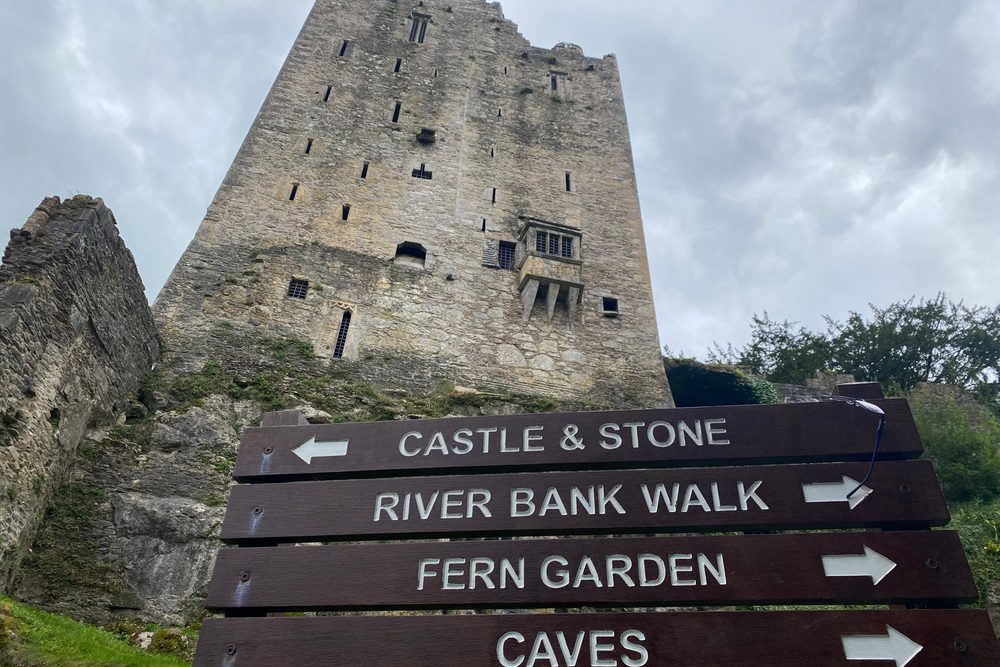
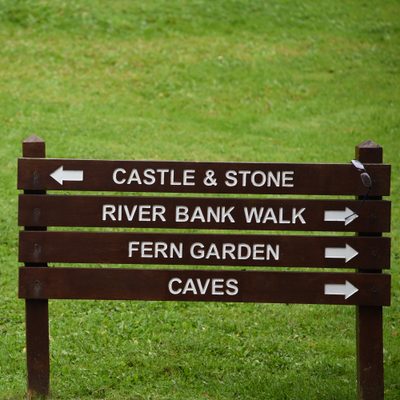
Entry brings you into the grounds rather than straight to the castle, so don't march straight for the tower: take the map from the ticket office. The estate runs to roughly 60 acres, and waymarking thins out away from the main paths, so the map earns its keep.
The climb to the top
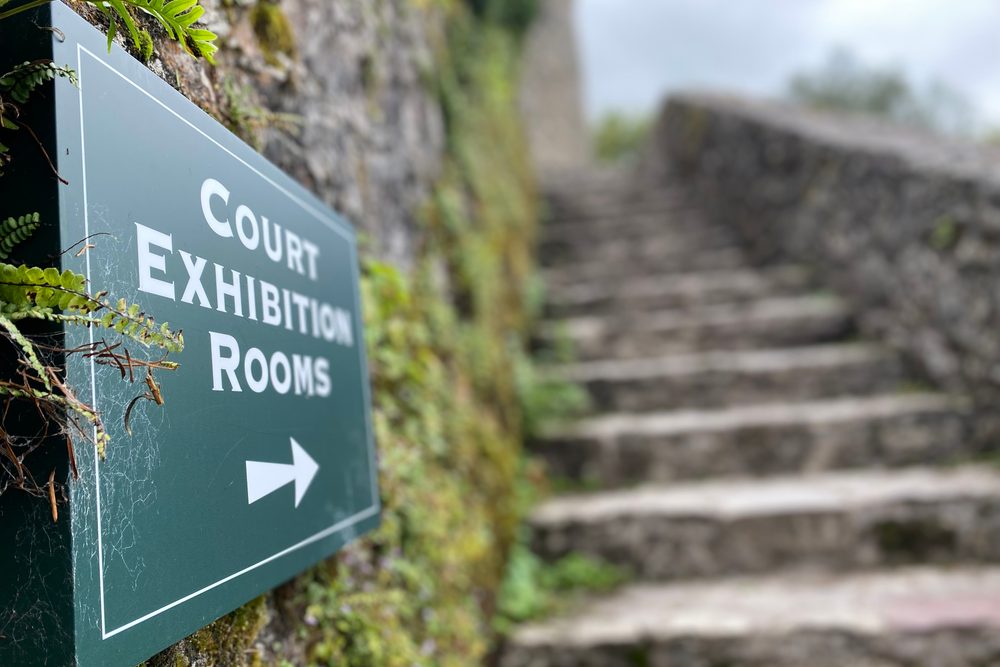
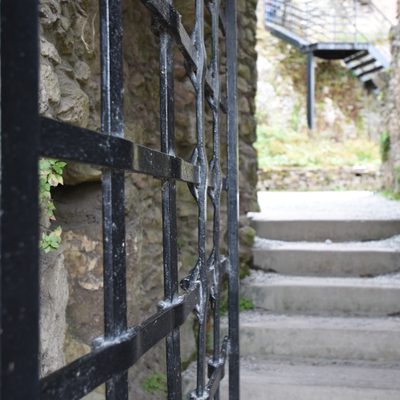
The only way up is a narrow medieval spiral staircase. It's steep and uneven, and you'll meet people coming back down. Take it slowly and keep one hand on the rope.
Kissing the stone
At the top, the stone sits in the battlements behind a gap you lean across, with a metal grid below it so you cannot fall the full height; a member of staff holds you while you kiss it. You get a minute or so before the queue moves you along, and in peak season that queue can run over an hour. Opt out at the last moment and nobody minds.
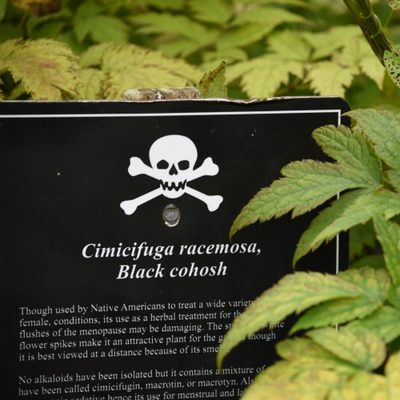
The Poison Garden
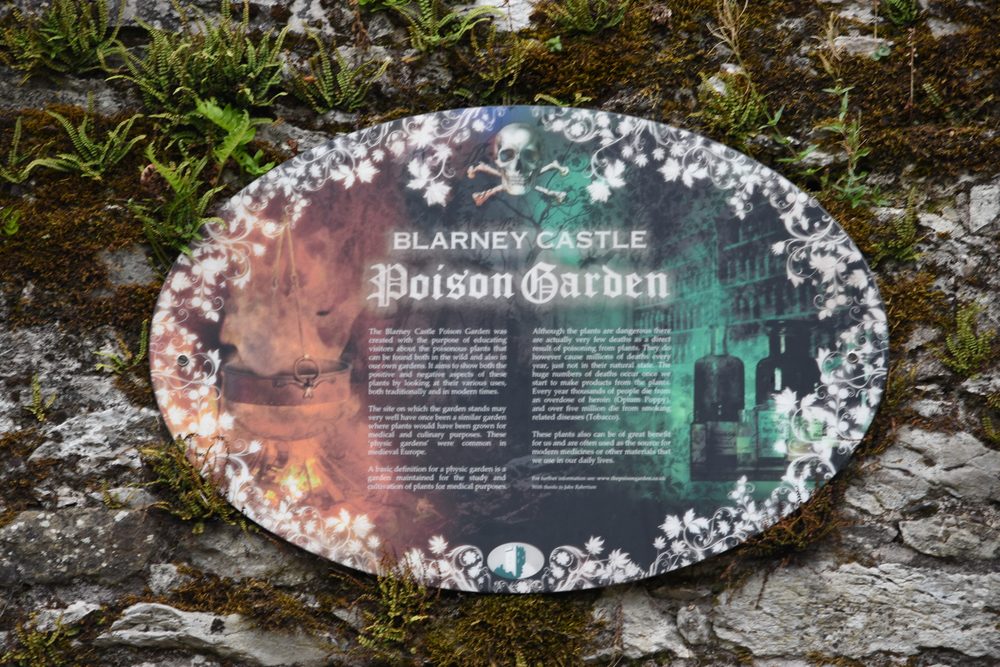
Right below the castle walls is a garden of plants that can harm you, each labelled with its potential danger. It's small, slightly grim, and one of the most memorable corners of the estate for children.
Blarney House and the gardens
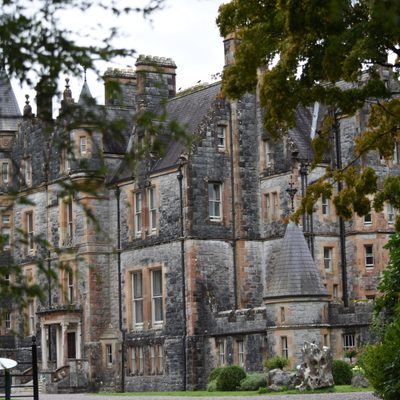
Beyond the castle stands Blarney House, a Victorian castle-style manor, with the gardens and walking trails spread around it. Plenty of visitors never get this far and leave having seen only the tower.
Where to take a break on the estate
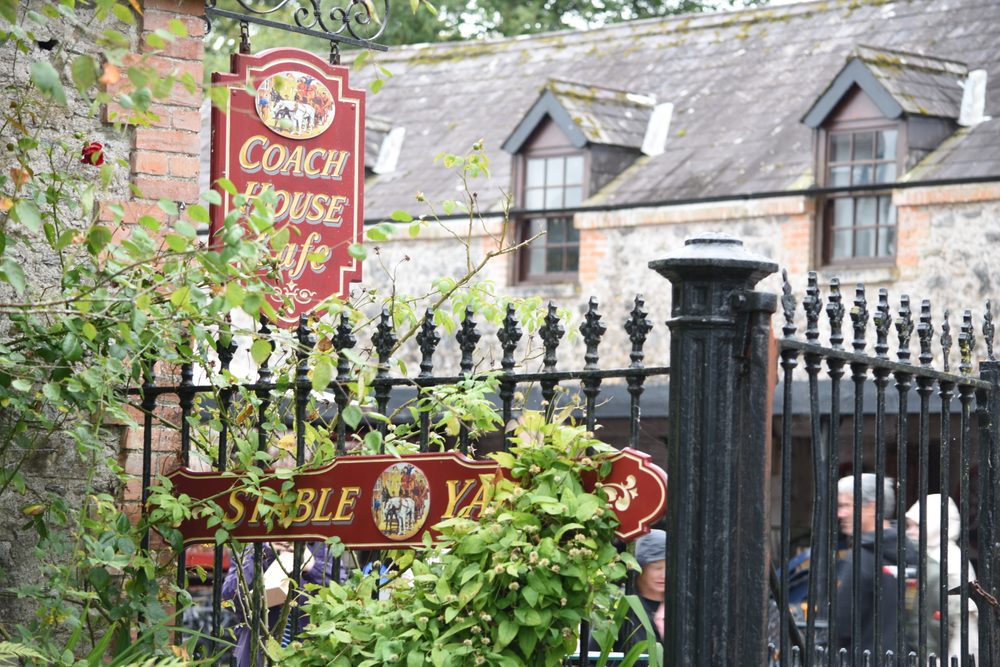
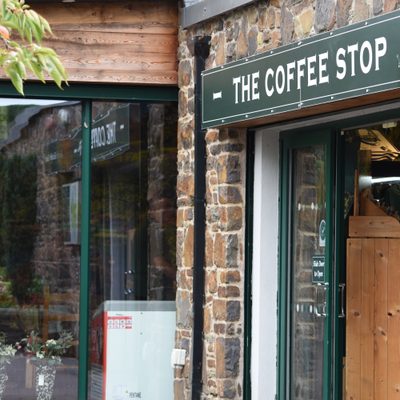
The Stable Yard Café and The Coffee Stop give you somewhere to sit once the climb is done. Worth planning around, because the estate takes considerably longer than the castle alone suggests.
Blarney Castle in pictures


Where to Eat & Drink Nearby
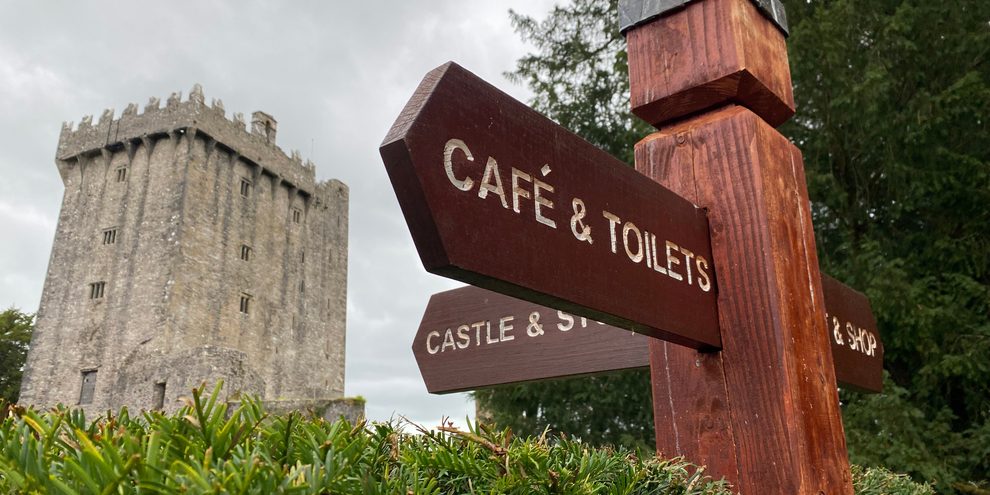
You have a few choices without having to leave the grounds. The Stable Yard Café serves coffee, sandwiches, and hot lunches, while The Coffee Stop offers a quicker grab-and-go option right near the castle. They're hassle-free spots to take a break after you've tackled the stairs.
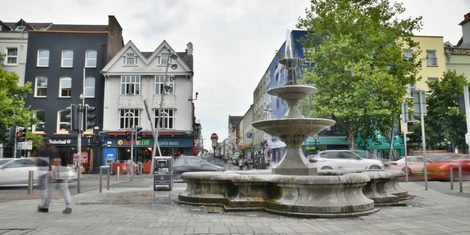
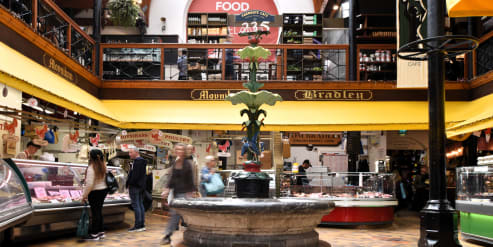
If you want to explore a bit further, step outside the estate gates into Blarney village. The famous Blarney Woollen Mills is directly across the green, with its restaurant operating from 8am to 5pm. If you're heading back to Cork city, you can wander into the culinary capital of Ireland to explore the English Market or enjoy dinner at a local restaurant.