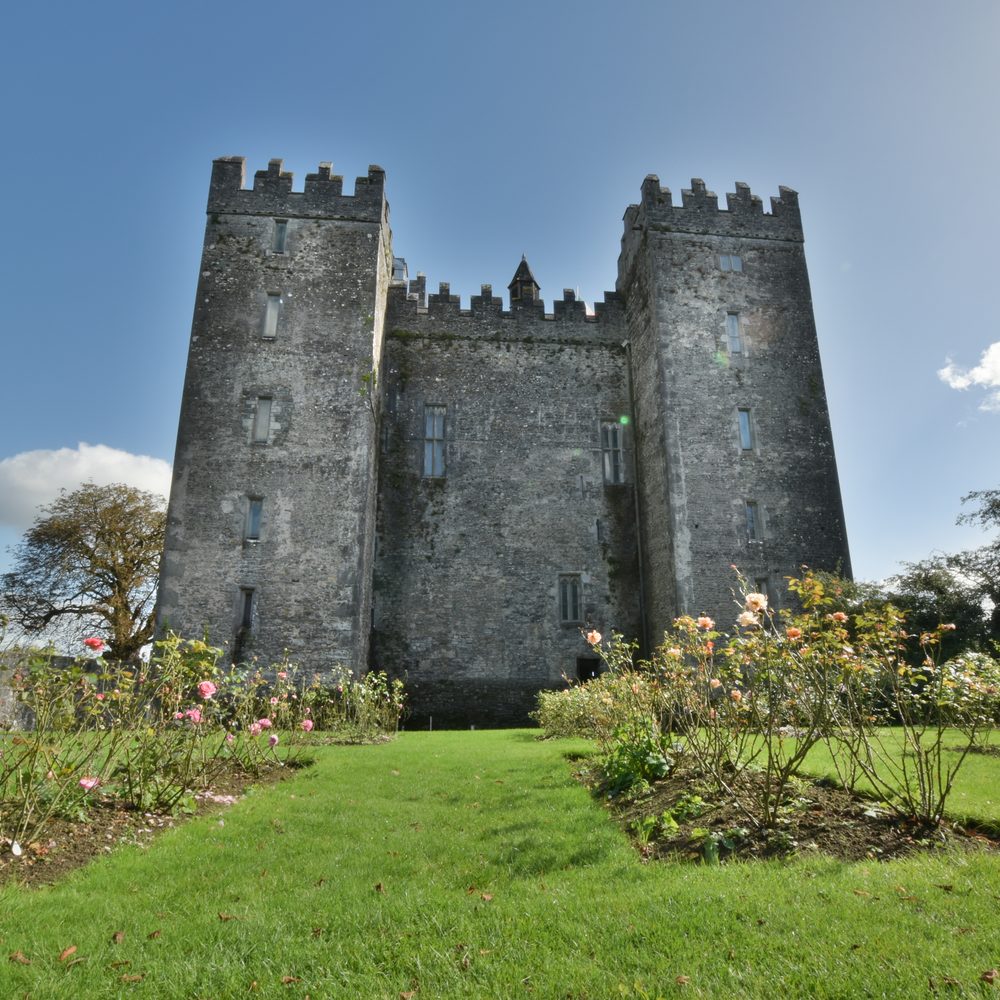
Bunratty is far bigger than it looks from the road. The 15th century castle is only the beginning. Behind it sits a 26-acre folk park of over thirty buildings, a working village street, resident Irish Wolfhounds and costumed characters who bring local Irish history to life. In this guide Erin Malone, Assistant Sales and Marketing Manager at Bunratty Castle and Folk Park, tells us what visitors shouldn't miss, how long you need, and what to expect on the day. When you travel with us at My Ireland Tour, your entry is already included.
What's in this article
Jump to sections:
Tour Gallery
Why visit Bunratty Castle and Folk Park?
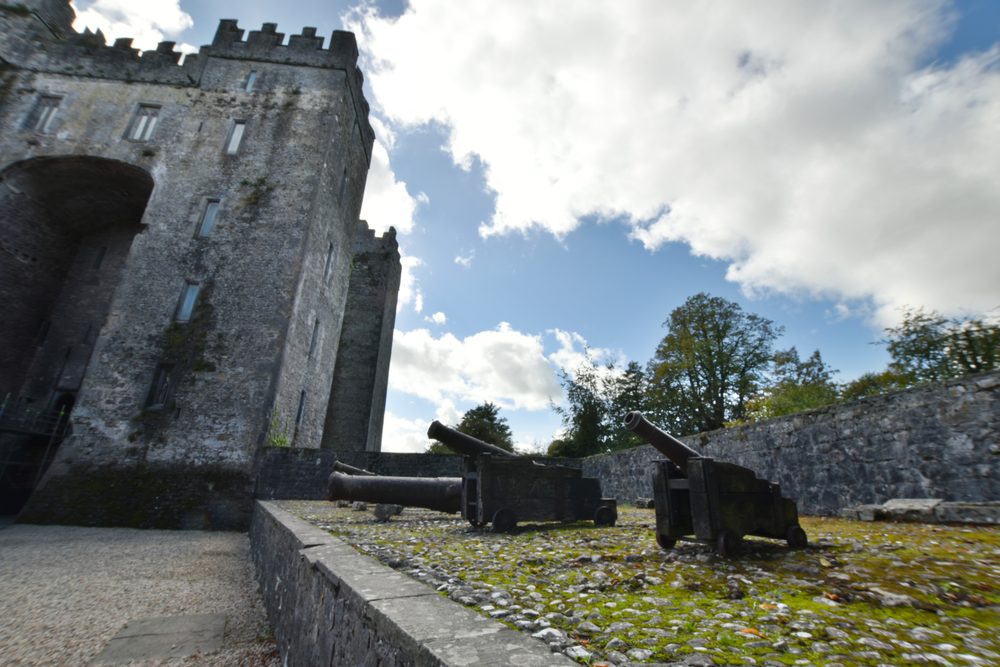
Most people who pull in off the N18 see a castle beside the road and assume that is the whole of it. Erin Malone, Assistant Sales and Marketing Manager here, says that is the biggest misconception about the place. "So many people just think Bunratty Castle, and only the castle, because from the outside it doesn't look as big as it actually is - when the whole park is 26 acres." The castle itself was built by the MacNamaras in 1425. The O'Briens, Munster's dominant clan, held it from about 1500. It passed to the Studdert family in the eighteenth century, and once they had moved into the newer Bunratty House the castle fell into disrepair. In 1953 it was bought by Standish Vereker, the 7th Viscount Gort, on the advice of the antiquarian John Hunt, whose collection formed the basis of Limerick's Hunt Museum, and the architect Percy Le Clerc. Gort began restoring the castle with the Office of Public Works and the Irish Tourist Board, clearing out most of the later additions, including the Studdert home and the barracks, and bringing in fireplaces, wood panelling, furniture and around 100 panels of stained and heraldic glass. He and his wife Bessy are still remembered in the castle today, in portraits and a plaque near the portcullis. The first visitors were admitted in 1960.
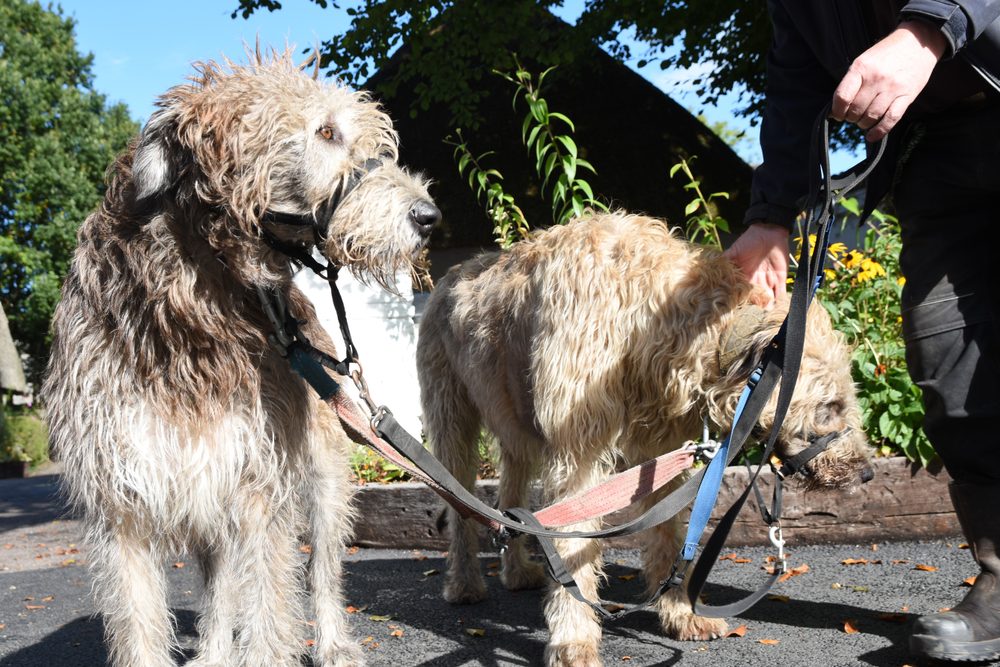
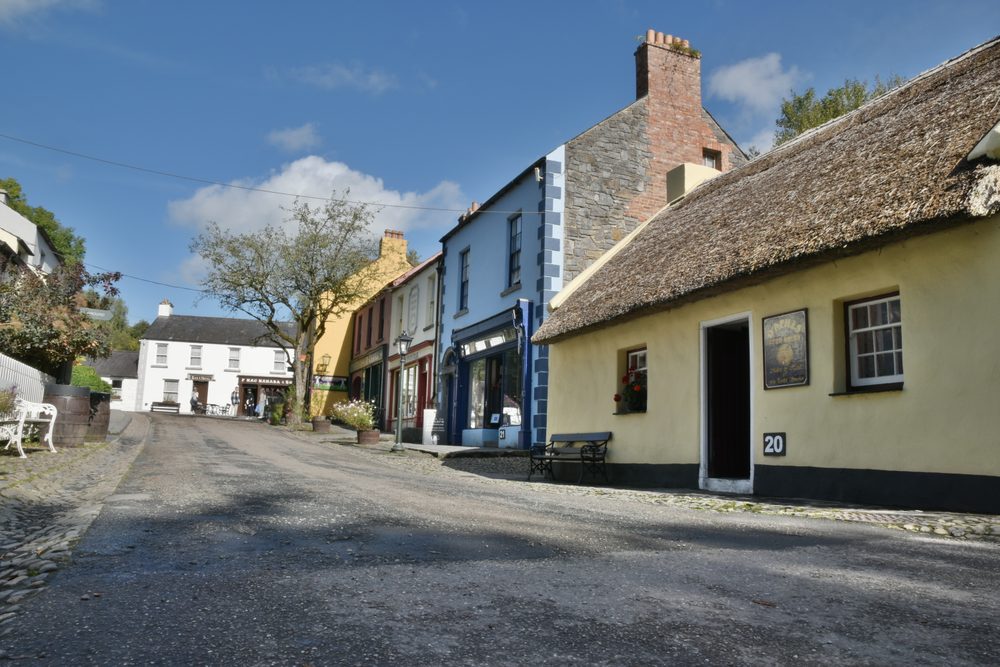
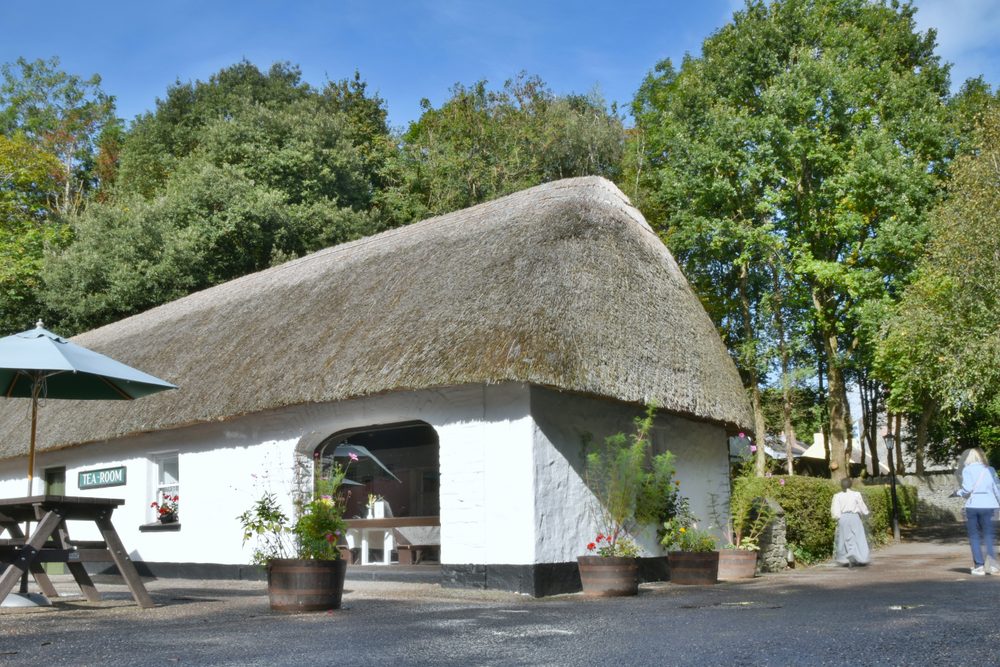
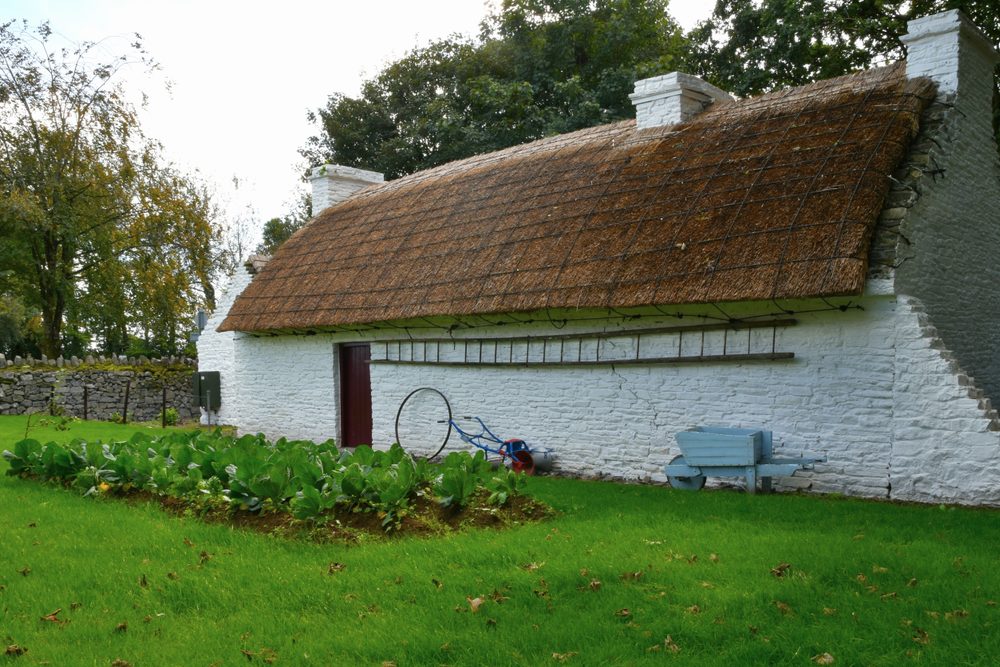
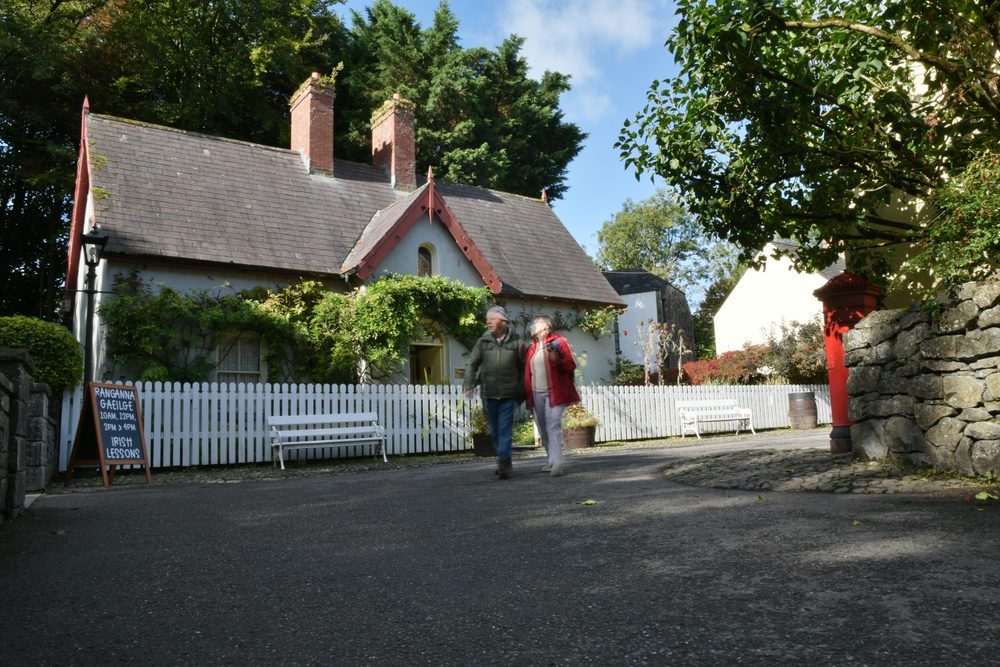
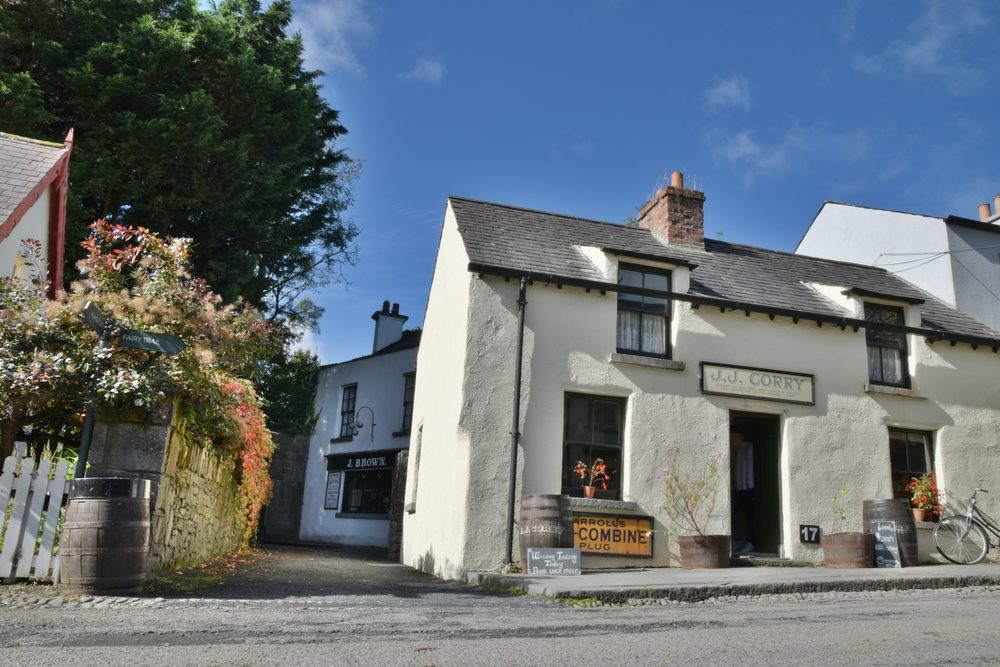
The folk park was a later, and rather more accidental, idea. Erin traces it to Brendan O'Regan, who had set up the evening banquets and then needed a farmhouse for the estate. He found a farmhouse at Shannon Airport that happened to stand in the way of a runway extension, so it was taken down piece-by-piece and re-erected here. From that one building the park grew outwards. Around 30 per cent of the buildings standing today are complete reconstructions. The rest are faithful replicas of the period. The estate also keeps native Irish breeds, among them red deer, Kerry Bog ponies and the resident wolfhounds. The village street, too, is home to a working row of local artisan shops where guests can pick up crafts and gifts made in the county.
Essential visitor information
Time needed:
Allow 45 to 60 minutes for the castle on its own and 1.5 to 3 hours for the folk park. For the full visit, plan on 3 to 4 hours if you want to take it at a relaxed pace.Opening hours:
Open daily from 9am to 5.30pm, closed 24 to 26 December. Last admission to the castle is 4pm and last admission to the folk park is 4.30pm.Best time to visit:
The summer months and event periods are the busiest windows, so pre-book and arrive early if that's when you're travelling. The costumed characters and demonstrations inside the park are seasonal. A winter visit is a quieter and slightly different day out.Tickets & entry:
Tickets are sold by category, covering adults, children, families, students and seniors from 65. Children under 3 go free, ages 4 to 16 are charged as children, and students need to show a valid student card. There is no static price list, because prices are managed on the online booking calendar. Booking online rather than paying at the gate gives an automatic 10% discount.Getting there:
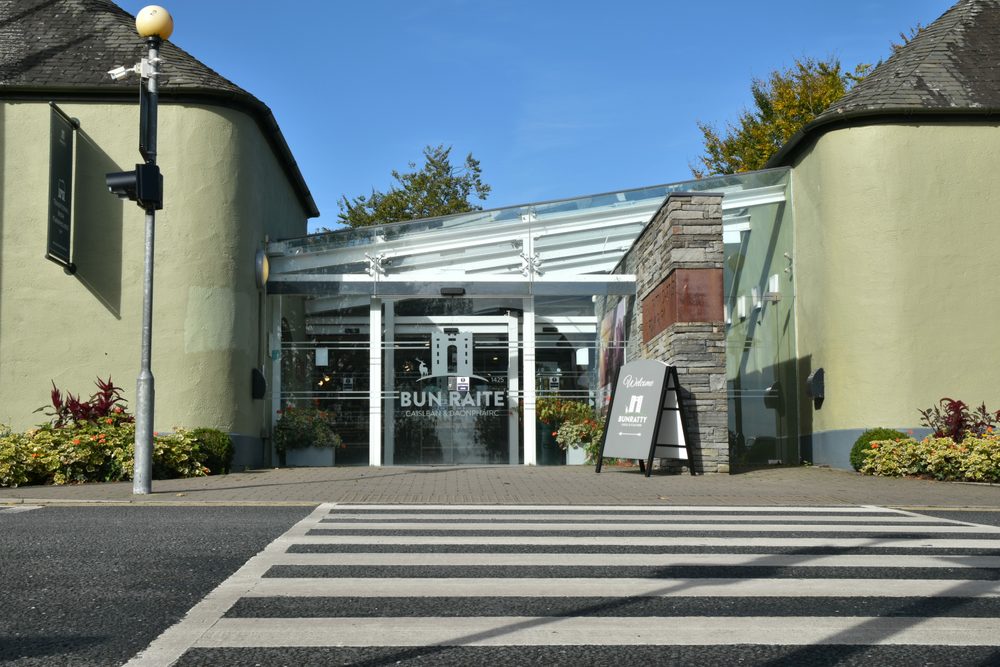
Bunratty East, Co. Clare (V95 TY02), just off the N18, about ten minutes from Shannon Airport and twenty minutes from both Limerick city and Ennis. Parking is free for all visitors and sits right beside the entrance. Accessible spaces are close by, and coaches are accommodated. Dublin Coach runs hourly services from Dublin, Limerick and Ennis. Bus Éireann stops nearby, and the village is roughly equidistant from Limerick Colbert and Ennis stations if you are coming by train.Kids:
It is an easy family day out, with a Viking playground, a fairy trail, woodland walks and friendly farm animals. Do note that the evening medieval banquet isn't suitable for children under four.Accessibility & facilities:
The folk park is largely wheelchair accessible, though some paths are uneven and a few slope quite steeply, so keep in mind some assistance might be required. The castle is a protected building and is not fully accessible. There are 19 timber steps to the entrance and no lift, but the basement is reachable without stairs and holds the displays on the castle's history. A limited number of wheelchairs are available to borrow with a refundable €25 deposit. Baby-changing and baby-feeding facilities are in the main toilet block just outside admissions. Dogs are welcome in the park, but not in the castle or the dining areas. Assistance dogs are welcome everywhere on the site.What to bring:
Comfortable footwear, because the park is mostly outdoors and covers 26 acres. Bring a waterproof layer too. You can bring a picnic if you like, and there is seating and open ground throughout the estate.
The practical information in this section was checked against the official Bunratty Castle and Folk Park website on 1 October 2026.


Considerations from the experts
We never send our guests to an attraction or destination that we don't know and love ourselves. From our own visits to Bunratty Castle and Folk Park, and from talking to the people who work there, here are the considerations we think our guests should know about.
It is much bigger than it looks:
From outside, most people think Bunratty is the castle and nothing else. The estate runs to 26 acres with more than thirty buildings, so build in more time than you expect because the photo opportunities go far beyond the castle itself!Weather & conditions:
The folk park is an outdoor site and you'll do a fair bit of walking between the buildings, so dress for rain and changeable weather. The castle and the farmhouse interiors give you somewhere to shelter if a shower blows through.Footwear:
Comfortable shoes are the single most useful thing you can bring. Some paths are uneven, the farmyard areas can be muddy after rain, and the castle has 19 timber steps at the entrance followed by old stone winding stairs.Mobility & access:
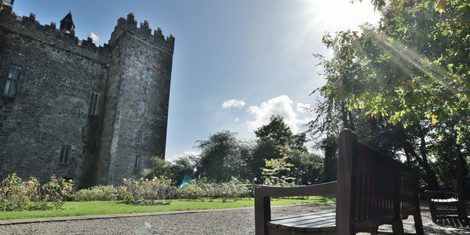
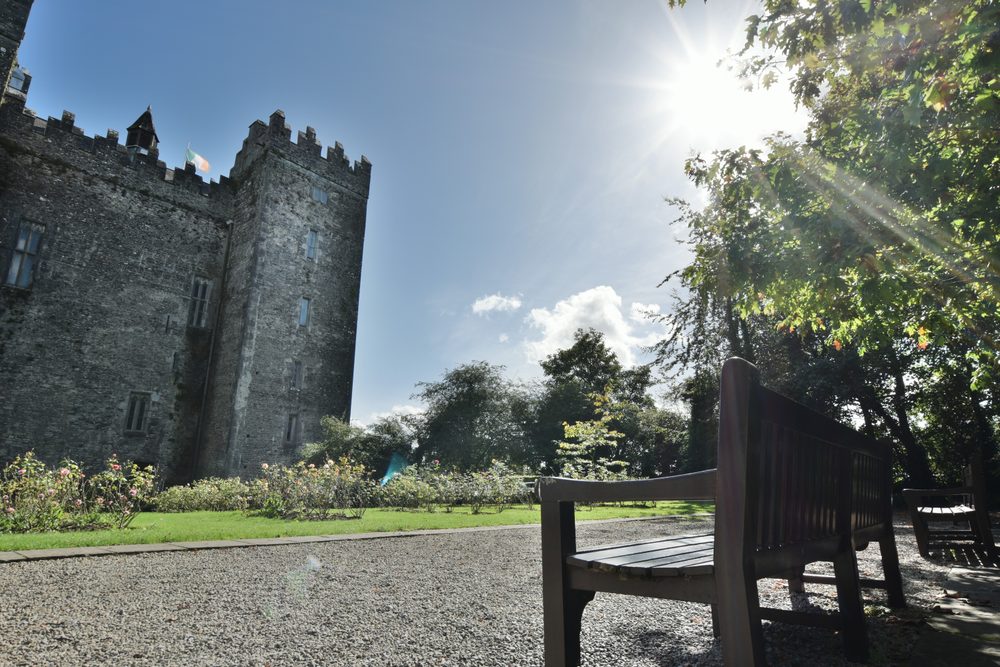
The park is easy to get around on the whole, with benches dotted all along the way. Erin Malone points out that there is a row of them directly outside the castle - the natural place, as she puts it, to "take a little rest and then continue on". Inside the keep, the basement and its history displays sit at ground level, so they can be reached without using any stairs. Everything above the basement, however, can only be reached by climbing the old winding stone staircase. The castle is a protected building, which means there has never been a lift and there is no step-free route to the upper floors.Families & groups:
This is one of the easiest family days out in the west of Ireland. The playground, the fairy trail, the animals and the village characters all land well with children, and the characters happily talk to adults too.Photography:
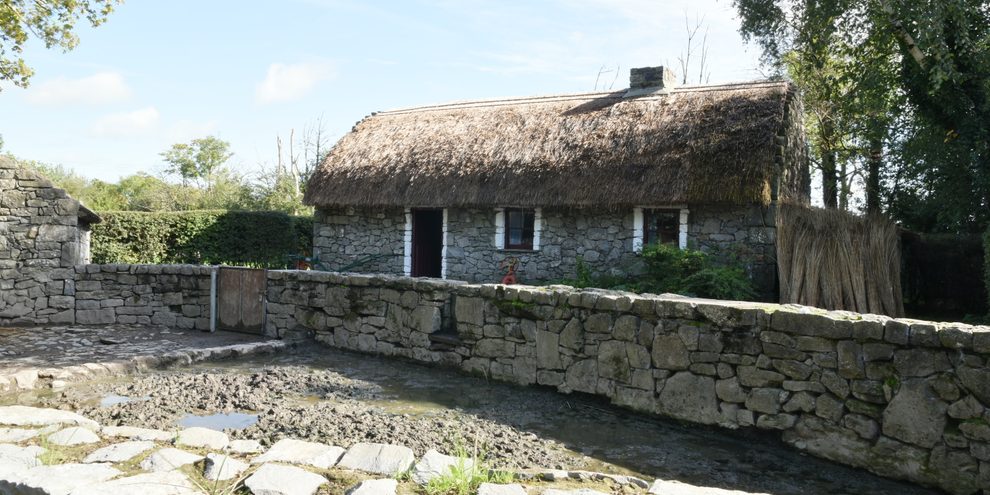
The village street, the thatched cottages and the castle seen from across the lawns are the most photogenic spots. The castle interiors are dim, so they are worth a little patience to get the lighting right. The views from the top of the keep are the reward for the climb.Travelling with a dog:
Dogs are welcome throughout the folk park, so it's a practical option if you're driving. They are not allowed in the castle or the food and beverage areas, with the exception of service dogs.Getting your bearings:
Signage is deliberately light around the estate, and for most people that is part of the pleasure. You wander, you double back, and you find things for yourself. If there are corners you would rather not miss, take a look at the map by admissions before you set off. The Viking playground, the fairy trail and the walled garden at Bunratty House are the three that guests most often walk past without noticing.Shopping & local crafts:
The village street is home to a working row of local makers, and Erin Malone (Bunratty Castle) talks about them with real pride: "There is a wide variety of local artisans on the village street, and they're all local to the area." It's a genuine chance to pick up gifts and mementos made in the county - pottery, knitwear, homemade candles and whiskey from JJ Corry's in Cooraclare among them.
Tips from the Team

"I had driven past Bunratty for years and never crossed the drawbridge. Give the estate a proper block of time and treat the castle as one part of the day rather than the whole of it. The village street and the farmhouses are what I ended up remembering most."
James, My Ireland Tour

"Durty Nelly's across the way is a class place for food!"
Shannon, My Ireland Tour
Options and inclusions
A standard day ticket covers the castle and the whole of the folk park, including the village street, the farmhouses, the walled garden and the playground. You can come and go around the estate at your own pace. A guiding service runs inside the castle rather than as a fixed guided tour, so you can pick up the story from one of the castle guides in medieval dress, or simply explore the different rooms and the battlements yourself. The village street shops are included too, so there is always somewhere to pick up locally made gifts and mementos.
The medieval banquet is a separate evening event, held in the castle. It is best booked in advance. It runs at 5.30pm and 8.45pm, lasts around two and a half hours, and takes the form of a four-course meal with the Bunratty Castle Singers. This runs nightly through the high season from April to September. Between October and March availability depends on demand. Beer and spirits are not served during the banquet, but mead, red or white wine and water are. Vegetarian and vegan options are available if you let them know in advance. It's not suitable for children under four. Book direct on the official Bunratty Castle Medieval Banquet page.
Q&A with Erin Malone of Bunratty Castle and Folk Park
We put a few questions to Erin Malone, Assistant Sales and Marketing Manager at Bunratty Castle and Folk Park, about the castle, the folk park and what she would want a first-time visitor to know.
What is it about Bunratty that makes it a top attraction for American visitors?
Erin Malone
"Americans are one of our biggest markets, and I think it's because a castle like this isn't something those guests come across at home. When they come into the park and see how much of it is steeped in genuine history and heritage - the fact that the castle is a 15th century castle, and then they go into the 19th century folk park - they are really seeing and experiencing what life was like back then. They get to step back in time, because we try and keep everything as authentic as we possibly can. When guests go up to the castle, all our castle guides are in medieval costume so that they get to hear the historical story - told to them in person."
What do people most often miss inside the castle?
Erin Malone
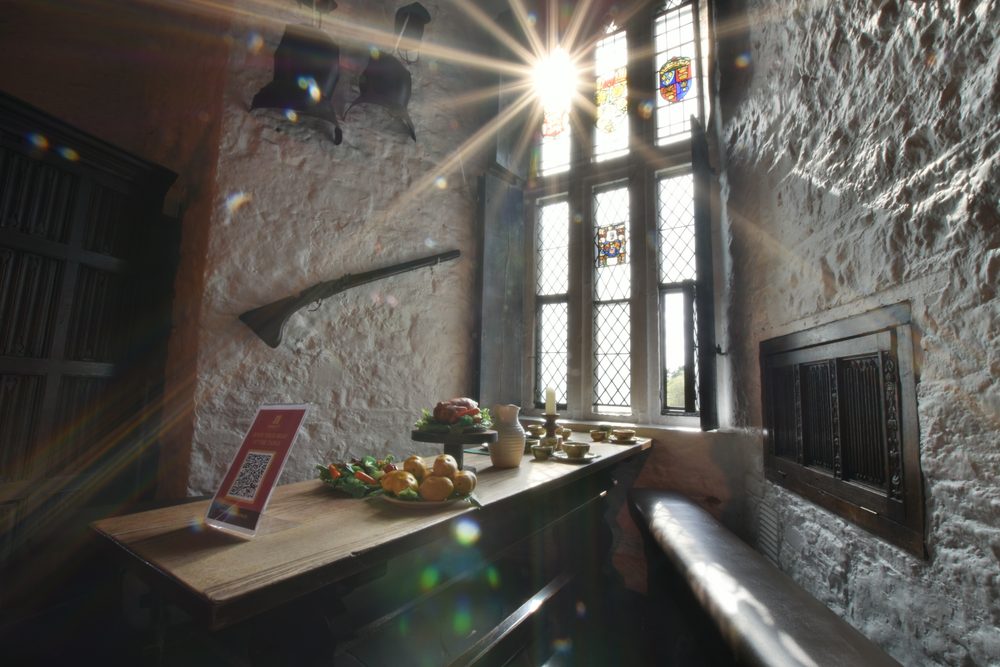
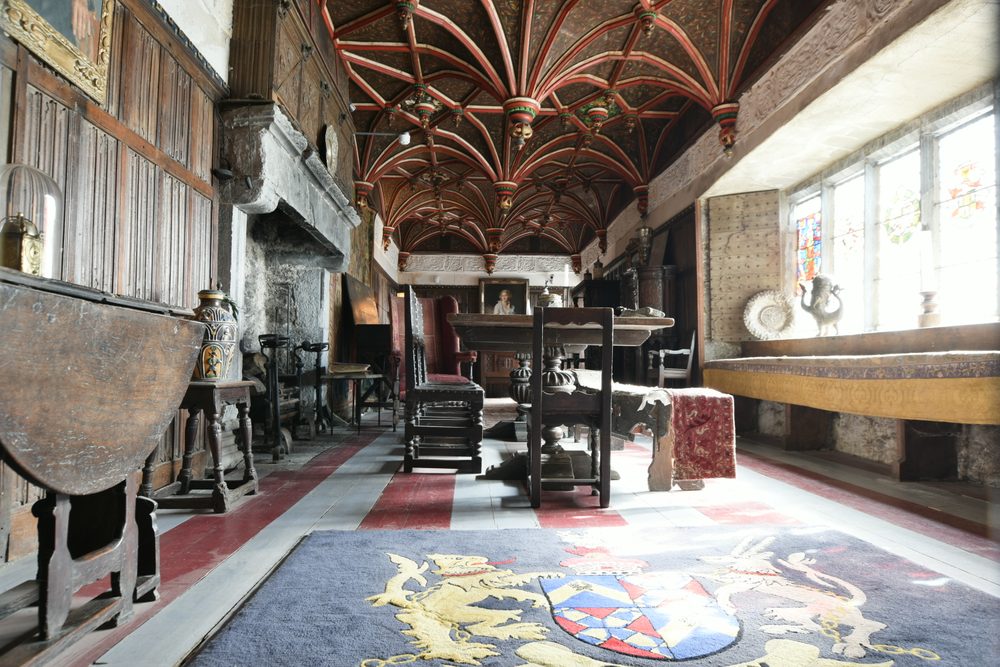
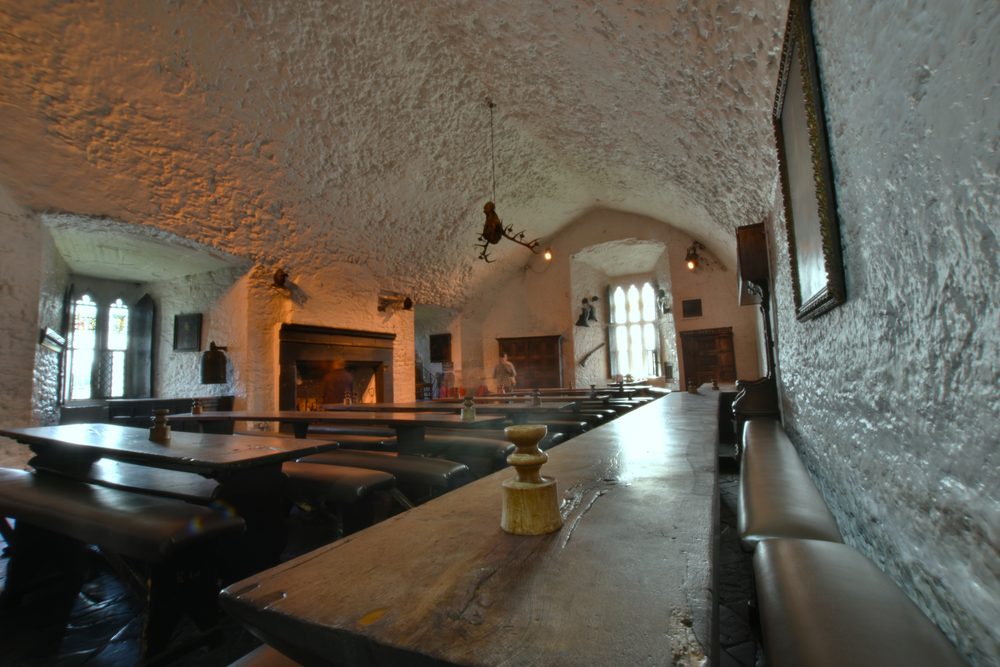
"There is just so much in there. Your first stop is going to be the banqueting hall, and tucked away down in the corner is the dungeon, so people can walk down the steps and have a look at the real dungeon that was there from over 600 years ago. The floor in that room is original to the castle, and there is a table in there that people eat at every night for the medieval banquet - it is over 500 years old, so they are literally becoming a part of history. Then you walk the winding stairs up into the Great Hall, and that really takes people back, because they're so focused on the stairs that when they walk in - there is this big room filled with artefacts. There are tapestries on the wall, there is a dowry chest with really detailed carvings on it including the Last Supper, and over by the south window there is a fertility symbol called a Sheela na Gig. There are roughly about 125 left in the country and we have one in the wall in the castle, the guides will go into a bit of detail about it. The antlers of the Great Irish Elk are hanging up on the wall as well, and they are between 10 and 15,000 years old. They were so well preserved because they were actually found in a bog not far from here."
What makes the folk park different from walking through a museum?
Erin Malone
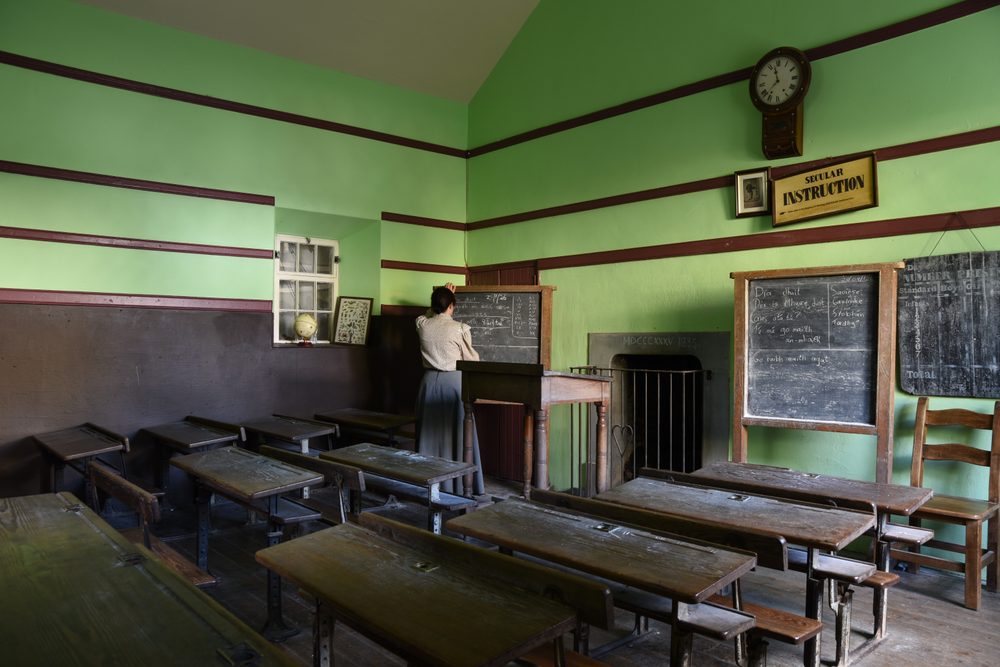
"We don't want people to feel like they are just walking into a museum. It is very much an open air museum, but we really want them to experience it. There are baking demonstrations in the Golden Vale farmhouse, where people get to meet and chat with the Bean an Tí and she goes through the recipe and shows them how it is baked over an open fire, she tells them that is literally how people baked and how the family would have lived back in those days. People also love meeting the characters. The school teacher will show them the little wooden desks with the inkwells, or the blackboard, and they might learn a cúpla focal while they are in there. Then there's the doctor's housen- when you walk in it says his surgery room is on the left, but you can walk into the kitchen where the dried herbs are hanging for the medicines that would have been used. The doctor goes through the old medical implements, and at that stage everyone is kind of going, oh my gosh, these were actually used back then."
How should people pace the visit, and is it suitable for everyone?
Erin Malone
"People just don't realise the sheer size of the park. It is 26 acres and there is a lot to see, so always wear comfortable footwear and be prepared for the rain - it is Ireland, so that is a given anyway. With the castle, it is a protected building and over 600 years old, so there is no lift. You can walk into the basement at ground level, but after that you have to climb the steps up to the banqueting hall and then it is the old stone winding stairs up through the castle. So if people do have issues with mobility, it is just something to be aware of, because there is definitely no lift up there. We do have plenty of benches spread out through the park though, including right outside the castle, if people need to take a little rest and then continue on."
What is on the village street?
Erin Malone
"There is a wide variety of little local artisans on the village street, and they are open, they are operational, and they are all very local to the area. You have lovely pottery and knitwear, and one lady who makes all her own homemade candles. JJ Corry's are whiskey creators based out in Cooraclare, and they have one of the shops on the village street as well. Then there is the craft and design store for your more typical souvenirs, jewellery, ceramics, all that kind of thing. And there are places to have lunch or pop into the tearooms for a bit of cake, tea or coffee."
How did the folk park come about in the first place?
Erin Malone
"It goes back to Brendan O'Regan, who really would have set up the banquets and then the first farmhouse. That Shannon farmhouse was over in Shannon Airport and it was actually in the way of extending a runway, so it was decided to bring it over to Bunratty, and then bit by bit the park just expanded. We have a couple of other buildings here that are original and were also deconstructed and rebuilt here, so about 30 per cent of the buildings are actually complete reconstructions and the rest are replicas of the time."
A step-by-step walkthrough of Bunratty Castle and Folk Park
The visit starts at the castle, at the heart of the estate, and works out through the village street and the farmyard of the folk park. Here's how it runs, step by step.
Arrival and admissions
Parking is free and sits right beside the entrance, which makes Bunratty an easy stop either side of a flight. The Earl's Pantry by the door does tea, coffee and light bites.


Into the castle
Enter up 19 timber steps into the banqueting hall, where the floor underfoot is original and the dungeon drops away a few steps down in the corner. The guides are in medieval dress. One of Erin Malone's favourite details as mentioned in the Q&A - includes the 500+ year old table. "People still eat at it every night." Visitors are always surprised at these details and the history held in each artifact.
The Great Hall and the winding stairs
Old stone stairs wind up to the Great Hall, filled with genuine artefacts. There are tapestries, a dowry chest carved with the Last Supper, a Sheela na Gig and the antlers of the Great Irish Elk.


The upper rooms and the battlements
Keep climbing for the upper rooms and out onto the battlements, where the view takes in the village, the river and away towards the Shannon estuary.
Main Street and the village characters
From the castle, Main Street reads as a working village of the 1800s, with a schoolroom and its inkwell desks, a post office, a drapery and a pub. Every one of them is open to wander into. The characters you meet along the way are what most guests remember.


The farmyard and the farmhouses
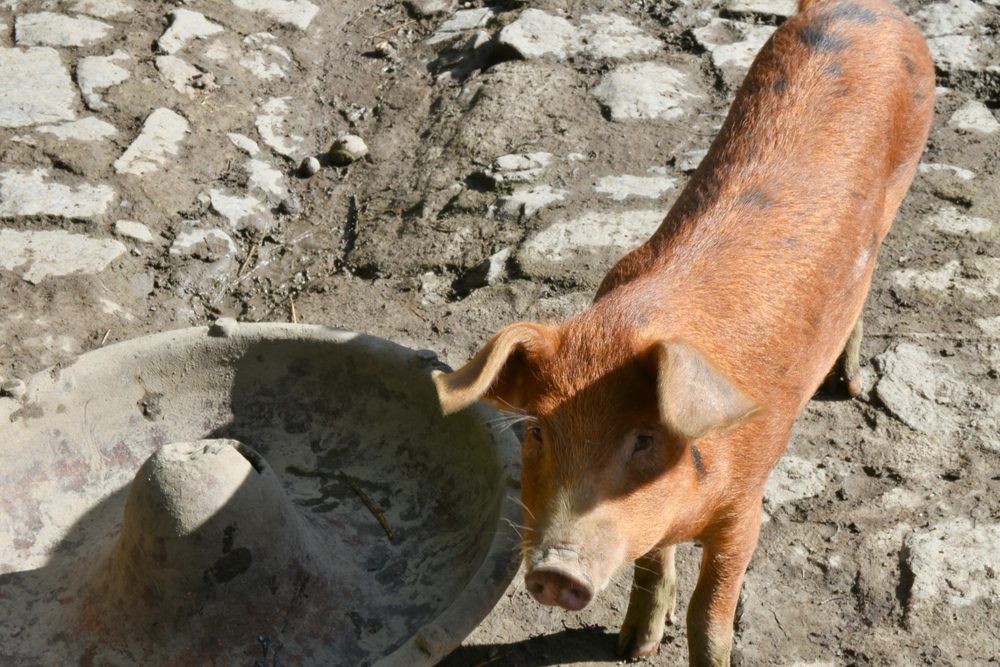
The loop finishes in the working farmyard, with its haystack, hen house and pigs, and the farmhouses themselves, each laid out around an open fire.
The village street workshops
On the way back towards the exit, the village street is also home to a working row of local traders, all of them based in the county. There is pottery, knitwear, candles and a shop from JJ Corry's, the whiskey creators from Cooraclare.


The walled garden and Bunratty House
Save room at the end for the quiet half of the estate. The Regency walled garden and Bunratty House, the Georgian home the Studderts moved into when they left the castle, are the place to slow down and sit awhile.


Where to Eat & Drink Nearby
There's no need to leave the estate to eat. The Earl's Pantry in the admissions building serves teas, coffees and light bites all year. The Bunratty Tea Rooms do traditional teas and sweet treats in bone china, and the Corn Barn Restaurant serves heartier Irish dishes in a restored barn. You're also welcome to bring a picnic and eat it on the grounds.
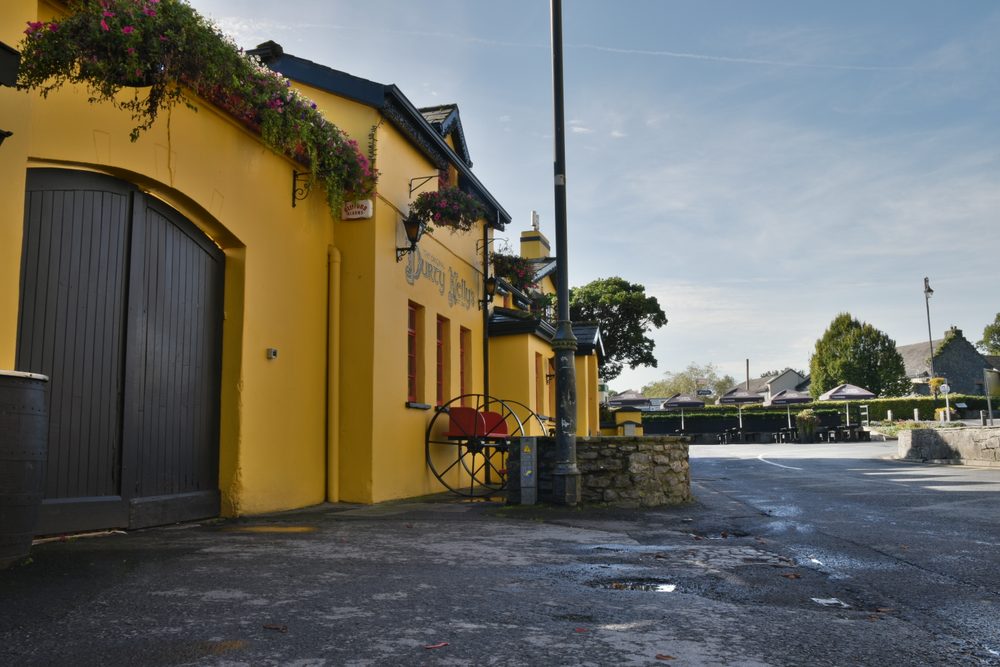
If you would rather eat nearby outside the castle and folk park, you have some excellent options. Durty Nelly's sits below the castle and is the most famous stop in the village. Jilly and Joe's and The Creamery are both a short walk across the road, and the Bunratty Castle Hotel is a few minutes further on.
What it's really like to visit Bunratty Castle and Folk Park
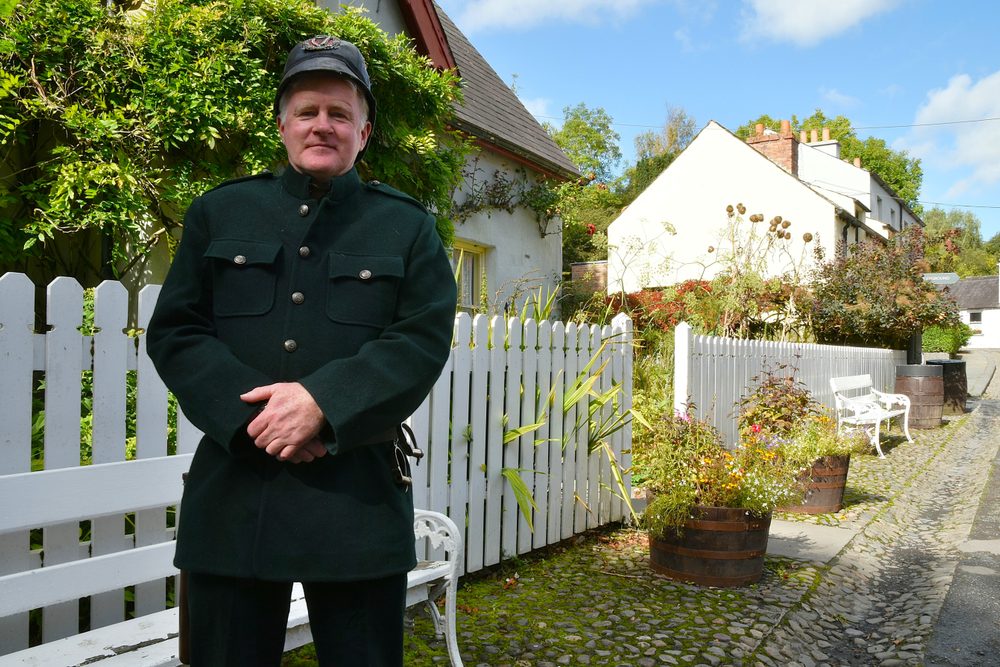
Before we send our guests anywhere, our team visits in person. One of our writers spent a late September morning at Bunratty, crossed the drawbridge for the first time in years and came back with a very different view of the place. Read his personal account of the day, with the wolfhounds out on their walk, the pigs in the farmyard, and the moment he asked a period policeman for directions.