Caherconnell does three things in one stop in the middle of the Burren: a working sheepdog demonstration with border collies, a ring fort that has been excavated every summer for almost two decades, and a cafe and craft shop in between. It's also the only ring fort in the Burren that has been excavated, which is why there's a story to tell about the family who lived here - eight centuries of them, a silver ring with their crest, and a pen with a special history attached to it. In this guide Joan Hamilton, Sales and Marketing Manager at Caherconnell explains what happens during a demonstration, what visitors ask the shepherd, and how to plan the stop so you get the fort, the dogs and a proper lunch without rushing. When you travel with us at My Ireland Tour, this visit is already part of your day in the Burren.
What's in this article
Jump to sections:
Photo Gallery
Why visit Caherconnell?
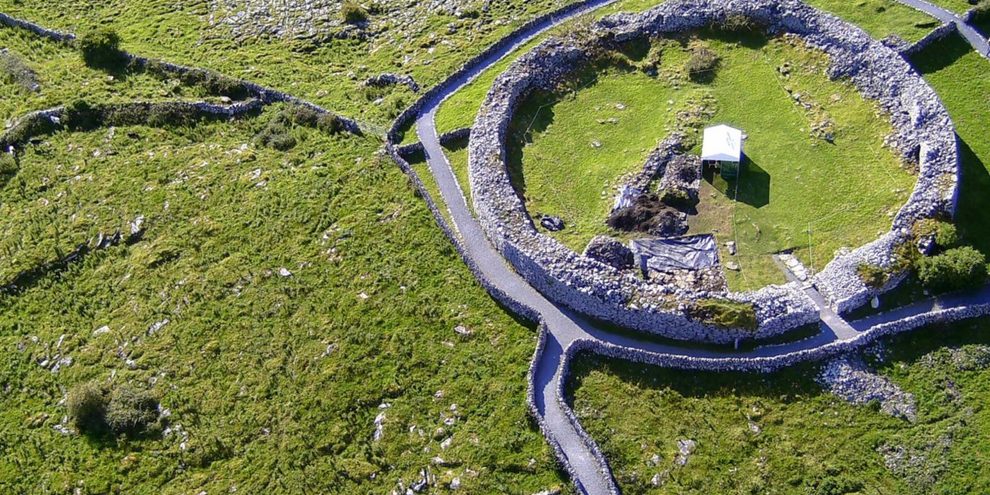
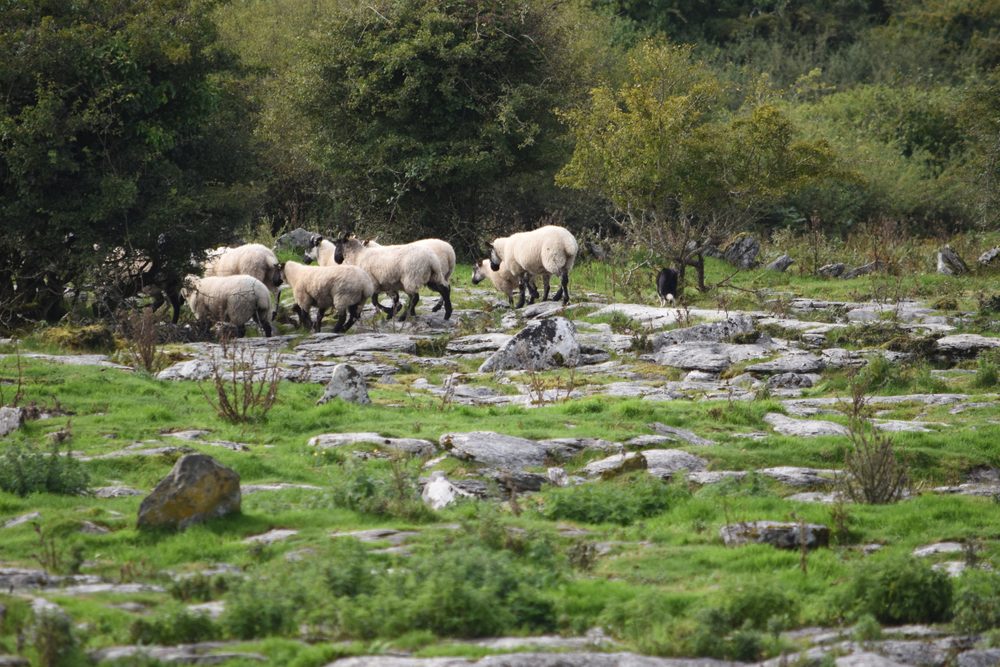
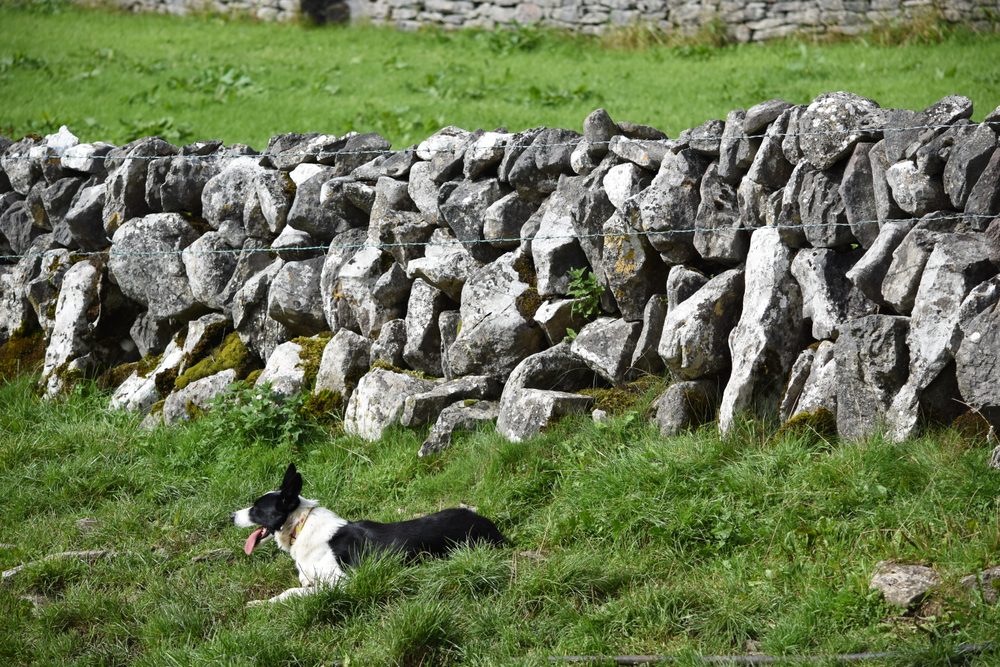
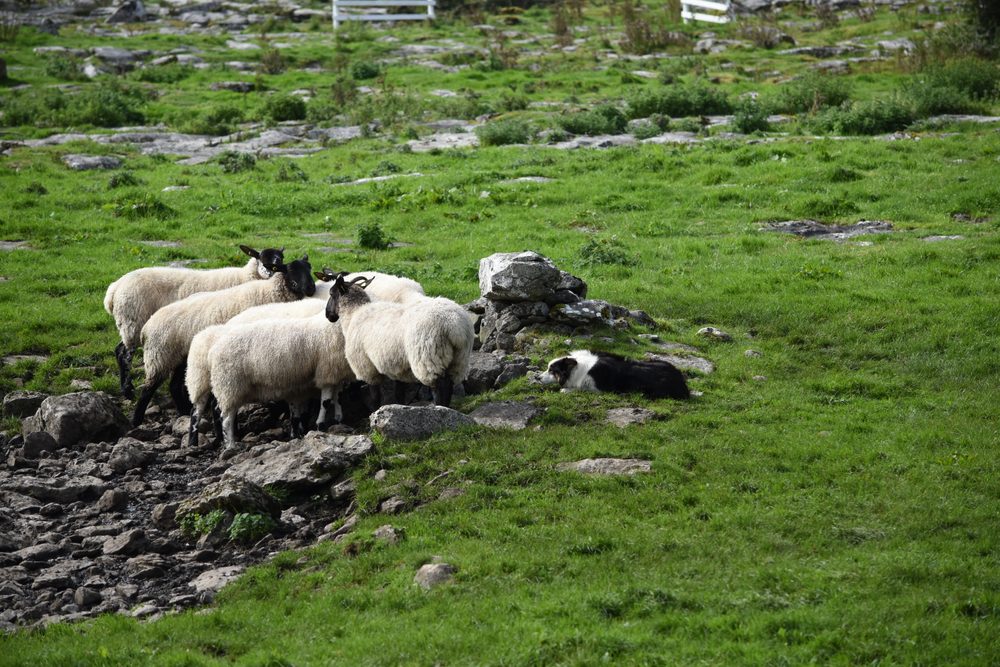
Caherconnell is the only ring fort in the Burren where the story of the people who lived there - the O'Loughlin family, who held it for some eight hundred years - has been excavated from the ground, and it comes with a working sheepdog demonstration. The dogs are the real stars of the show! One whistle and they're off, three collies out of the van and away up the field. Having seen them at work you can also meet them afterwards in their downtime. Two hours covers the demonstration and the fort, and there's a cosy cafe to sit in when you're done.
The history of Caherconnell
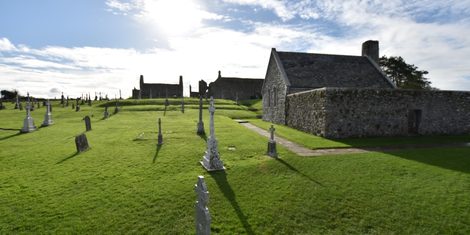
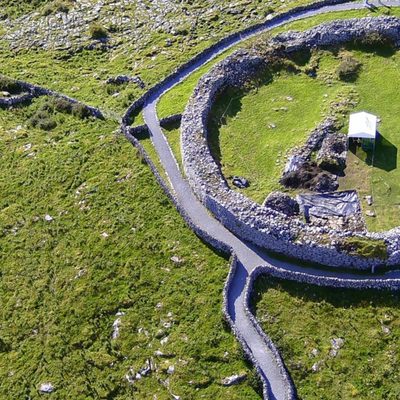
Caherconnell is a ring fort, a circular stone enclosure in the middle of the Burren, and it stayed in the hands of one family for around eight hundred years. That family was the O'Loughlins, high-ranking Gaelic people wealthy enough to keep their own silversmiths. Ring forts are scattered all across this landscape, most of them a low wall of stones in a field with no story attached. Caherconnell is the one that has been excavated, which is why we can talk about the people who lived here and their rich history in Ireland.
The digging has been done by a field school from the University of Galway, which treats Caherconnell as a campus of its own and spent almost two decades excavating here every summer, until the work paused with the pandemic. What came out of the ground includes a silver finger ring, complete and carrying the crest of the family, worn by a high-ranking woman of the household somewhere between eight hundred and a thousand years ago. Replicas of it are sold in the craft shop. The second find is more unusual. It's a pen, believed to have been made from the leg of a swan or a heron with a copper nib, and the only one ever found outside a monastery in Irish excavations. Everything that comes out of the ground in Ireland belongs to the National Museum, so what you see at Caherconnell are photographs of it and the story of how it was found.
That pen says something the stones alone cannot. The household inside the walls was wealthy, and they could read and write, and the Davorens, the family farming here today, trace a connection back to the O'Loughlins through Brehon law, under which the O'Davorens acted as the ruling family's brehons.
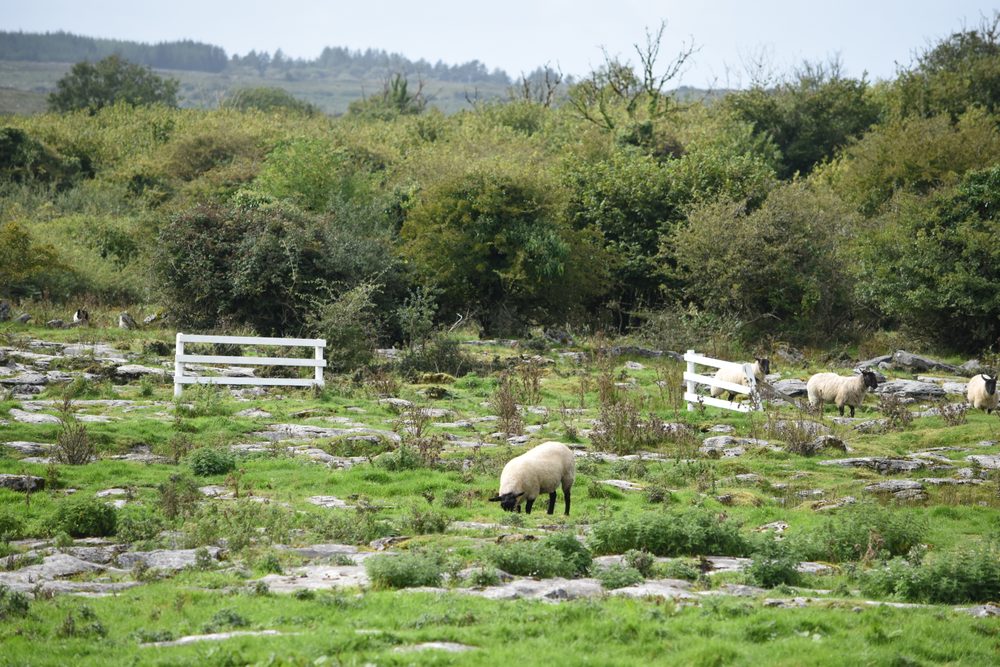
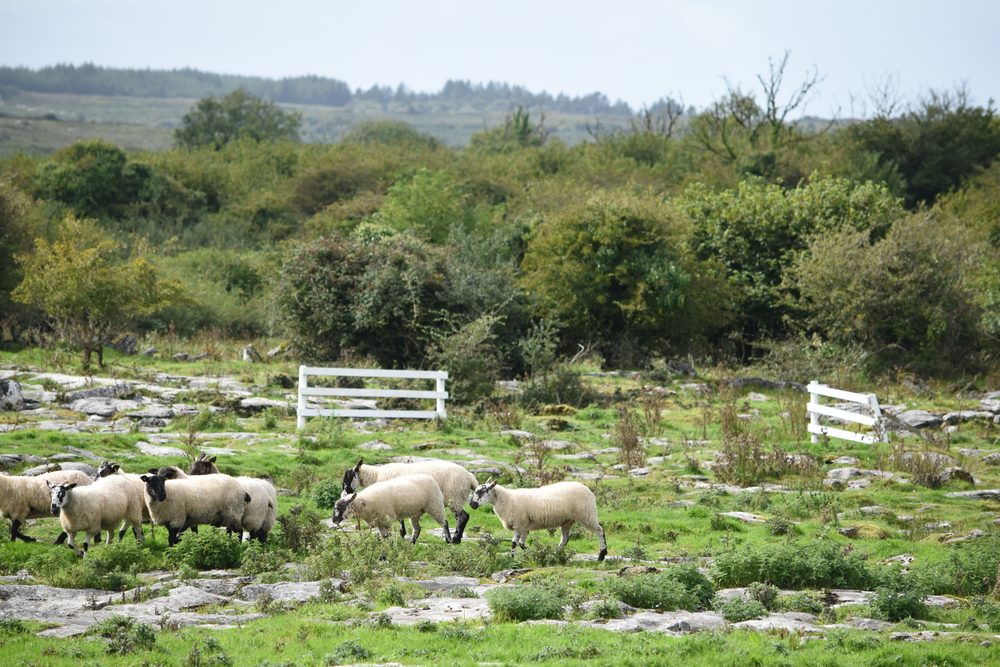
The fort also sits in a much older landscape. Poulnabrone dolmen, the famous portal tomb, is about half a kilometre away and roughly five and a half thousand years old, which means it was already ancient when the fort was built. The farm around both is worked the Burren way. Cattle go up onto the mountains at the end of October and stay out for the winter, keeping the scrub down and the limestone grassland open, then come back down to the lowlands in spring. It's called Winterage, and it's one of the reasons this landscape looks the way it does.
Essential visitor information
Time needed:
Allow a couple of hours. That covers the fort, the demonstration, lunch in the cafe and a browse around the craft shop, and it's the relaxed pace Joan recommends.Opening hours:
10am to 4pm in March, April and October, 10am to 4.30pm in May, June and September, and 10am to 5pm in July and August. The last tour starts 30 minutes before closing time. Check the current hours on Caherconnell's own website before you travel.Tickets & entry:
Prices change, so check the current ones on Caherconnell's plan your visit page. Entry is included when you travel with My Ireland Tour.Demonstration times:
Times are on Caherconnell's own demo calendar, linked from their sheepdog demonstration page.Guided tours:
Guided tours of the fort run daily at 10.15am, 12 midday, 1.30pm and 2.15pm, and you can walk the site on your own at any time.Best time to visit:
Spring and early summer are the sweet spot if you'd like to hold a lamb, which is usually possible from around April until July or August. The demonstration runs through the season, and the Burren is worth the drive in any weather.Getting there:
Caherconnell sits in the middle of the Burren on the R480, which is also the Wild Atlantic Way. The roads here are small, winding and slow, so take the drive gently and enjoy it as part of the day. Poulnabrone dolmen is about half a kilometre away.Kids:
The demonstration works for every age. Children get to watch the dogs work, meet them afterwards and, in season, hold a lamb. There's room to move and it's all on the level.Accessibility & facilities:
You reach the arena and visitor centre on level tarmac, and the terraced area where the demonstration is held is covered and holds more than 110 people. There are toilets inside the cafe and a new outdoor block, so you'll rarely have to wait. As Joan puts it, it's a shorter walk to the fort than back to the car park.What to bring:
No special gear needed. Joan calls it a farming experience without the wellies, because you watch the demonstration from a covered, terraced area rather than from the middle of a field. A warm layer is always wise, since you're out in the Burren.


Considerations from the experts
We never send our guests anywhere we don't know ourselves. Based on our own visit to Caherconnell, and on a long conversation with the team there, here's what we think is worth knowing before you go.
Weather & conditions:
It's an outdoor site in the Burren, where the weather turns quickly. The demonstration is under cover and weather-proofed, so a shower doesn't stop it, but the walk to the fort is open ground and worth dressing for.Mobility & access:
The arena is on level tarmac and the fort is a short walk from the visitor centre, shorter than the walk back to the car park. If anyone in your party isn't able for much walking, this is one of the easier historic sites in the county to manage.Families & groups:
The covered terraced area holds more than 110 people, so a full coach fits easily, and children are engaged from the first whistle. There's a bit of theatre in it that adults enjoy just as much, and everyone can move about freely.Photography:
The picture most visitors enjoy a lot is the one with the dogs, and there's time for it after the demonstration - when the collies have finished working. During the demonstration itself they're at full speed, so take plenty of fast-firing photos and expect a few near misses!The dogs are dogs:
Nothing here is scripted to the second. When we spoke to Joan, Sally was only two and a half and still learning her trade, so she sometimes gets it wrong or decides not to listen, and Jill has been known to decide she has other plans for the day. The improvisation is part of the charm, and no two demonstrations run quite the same.Dog people and history people:
Joan is refreshingly honest that the two halves of a visit appeal to different people. The dogs are universally accessible and everyone enjoys them. The fort rewards an interest in history, and the storytelling is deliberately broken into small pieces, which makes the area's history engaging for everyone, whether you came for the dogs, archaeology, or both.Treat it as a destination:
The Burren is a lot of miles of small roads and blind bends between villages. After that drive, somewhere to park, proper toilets and a cup of coffee is a bigger relief than it sounds, and everything is kept beautifully for you.
Tips from the Team

"How the shepherd works by whistle was the thing that fascinated me. Every whistle is a different command, and the dogs know which one they have been given. First time visitors are often surprised by how sheltered it is, because the demonstration area is covered, so if the weather turns you still have a bench and a roof over you to enjoy it. The cafe serves great fresh food as well."
Ben, My Ireland Tour
Options and inclusions
A visit to Caherconnell is two experiences in one place. The demonstration is the part everyone comes for. Three collies work the flock at speed, and a shepherd answers all of your questions. The fort is the quieter half that pleasantly surprises people, because there's real archaeology behind the story, nearly twenty years of it, dug out of the ground.
The two are meant to be taken together. You can watch the demonstration, walk up to the fort, and still have time for lunch and a browse in the craft shop without watching the clock. It carries replicas of the silver ring found on the site, which could be a lovely gift to bring home. If the weather is good, you can sit out on the patio for as long as you like and enjoy the surrounds of the Burren.
Entry is included when you travel with My Ireland Tour, so there's nothing to book and no queue to manage on the day. If you're arranging your own visit, times and tickets are on Caherconnell's own website.
Q&A with the team at Caherconnell
Joan Hamilton is Sales and Marketing Manager at Caherconnell. We spoke to her on 12 November 2026, at the very end of the season, about what visitors react to, what the dogs get up to, and what's worth knowing before you arrive.
What do people say after watching the demonstration for the first time?
Joan Hamilton
"It's usually delight, and often laughter. Some of our visitors are urban and not familiar with farm animals, so they get really excited to see the sheep. Then the shepherd brings the van up close to the arena, gives a whistle and opens the back door. The three dogs take off like bullets, running past the guests up to the field where they do the demonstration. It's a moment almost like the actors have taken the stage!"
Do visitors get to meet the dogs?
Joan Hamilton
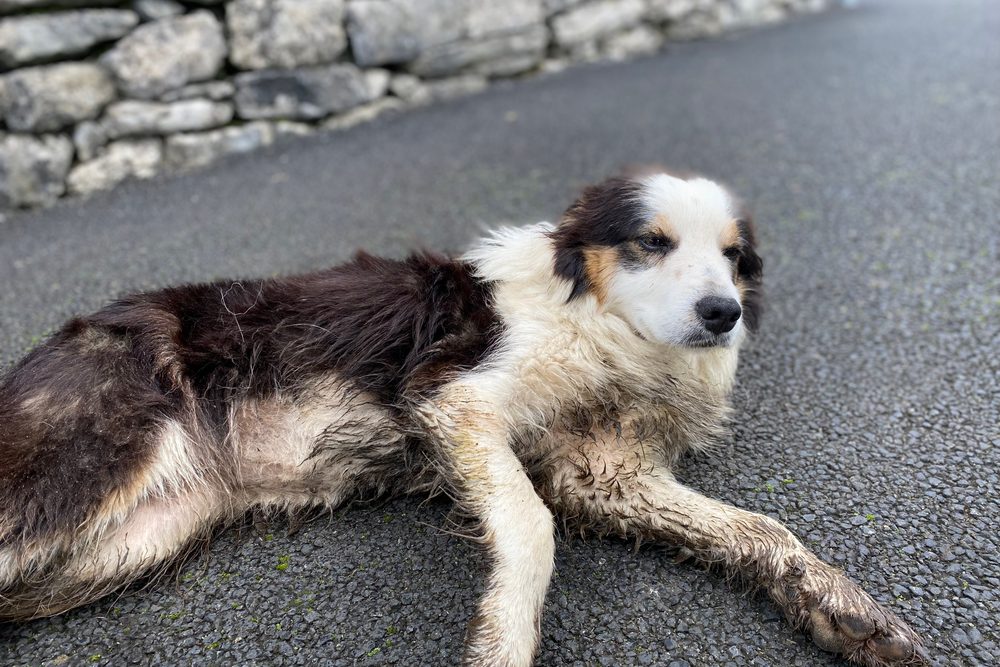
"They definitely get to meet the dogs and have their photograph taken with them. At certain times of the season, from April until maybe July or August, they can get to hold a lamb as well. A lot of people miss their own dogs when they are travelling, so they love their time with the collies. It's lovely."
Is the demonstration the same every time?
Joan Hamilton
"No, and that is half the fun. Our dogs have their own personalities. Sally is only two and a half and she is still learning, so she might make a mistake or not listen properly and she will mess up, and Jill will just decide she is not going to do what you want her to do today. So there is a bit of improvisation, and there is always a bit of humour. It's not a serious thing, you don't have to concentrate every minute for fear of missing anything."
Can you ask the shepherd questions?
Joan Hamilton
"Absolutely, it's part of the experience. Visitors love being able to interact with the shepherd to ask him questions. They might be curious about his life and how he lives out here in the wild of all these rocks! We also get visitors from agricultural parts of North America who ask very detailed questions about yields and mutton, and the farmer will chat away as long as they like."
What is Winterage?
Joan Hamilton
"It's a type of farming here in the Burren specifically called Winterage. The animals aren't put into barns. The cattle go up the mountains over the winter and they're left out. They keep the scrub down, which keeps the Burren thriving the way it is, and it also means they're very healthy because they're eating all the nutrients in that limestone grass. It's a process that has been going on for hundreds of years here in Clare, and it's very unique to Ireland. Around the end of October some of the farmers are literally doing a cattle drive, and the cattle stay up there until spring, when they're brought back down to the lowlands."
What's the predominant story around the fort itself?
Joan Hamilton
"It's the people rather than the stones. The history of the fort is incredible because it was the same family living there for 800 years, a high-class Gaelic family, the O'Loughlins, who they can trace generations back. The archaeology found a silver finger ring with the crest of the family, completely intact, worn by a high-ranking lady of the family somewhere between 800 and a thousand years ago. They were wealthy enough to have their own silversmiths. And another notable find is the pen. The only pen found outside a monastery in Irish excavations, made from the leg of a swan or a heron with a copper nib. So they weren't just a high-ranking family, they were learned. They were writing, they were reading."
What connects the fort to the family who farm here now?
Joan Hamilton
"The Davoren family still own the farm, and their family were Brehon lawyers. Brehon law is the old Irish law, and the Davorens were the lawyers of the O'Loughlins, the family in the fort. So the legal tradition here runs from the people in the fort to the people farming the land today, which is remarkable when you think how many Irish generations it covers."
Why is Caherconnell different from the other ring forts in the Burren?
Joan Hamilton
"There are so many ring forts, particularly in the Burren, but Caherconnell is the only one that has been excavated, so it's the only one where there's a story to tell about the people who lived there. We know because we've got 20 years of excavations on the site. Without the excavation, you can still admire a ring fort, but you can't tell who lived in it or when."
How long should we allow, and how should we plan the day?
Joan Hamilton
"Think of it as a couple of hours. You can see the fort, take the sheepdog show, have a lovely lunch and browse the craft shop, and if it's a nice day you can sit outside on the patio with your coffee and admire the scenery. We are in the middle of the Burren, in the middle of the R480 and in the middle of the Wild Atlantic Way, and it's very rural - so it should be treated as a destination. It's a destination, not just an experience. And one of my other favourites is that we offer a farming experience without the wellies. Visitors often think an authentic experience means walking through a field to get to the sheep, and you don't have to do that here. We have a covered, weather-proofed terraced area that holds over 110 people, and it's all tarred, so it's farming light."
A step-by-step walkthrough of Caherconnell
Here's how a visit actually runs, in the order it happens, so you know what you're walking into.
Arriving in the middle of the Burren
The approach is the first thing to get used to. Caherconnell sits on the R480 in the heart of the Burren, with small roads and blind bends on either side of it, and the car park comes as a relief. The site is immaculately kept, and the first thing most people do on arrival is head for the toilets, which are inside the cafe and in a new outdoor block.
The terraced arena
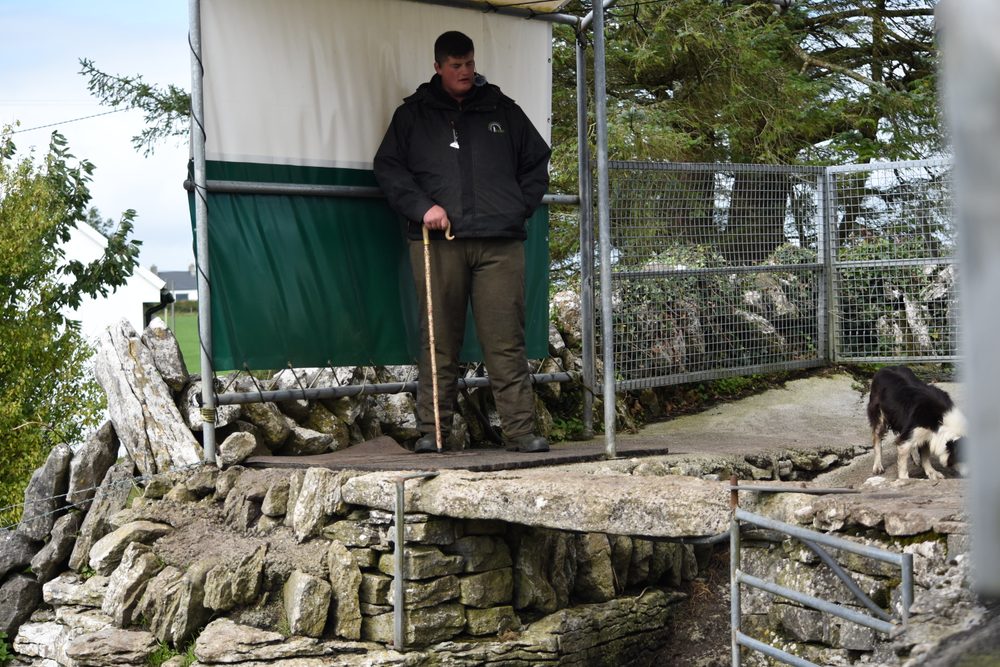
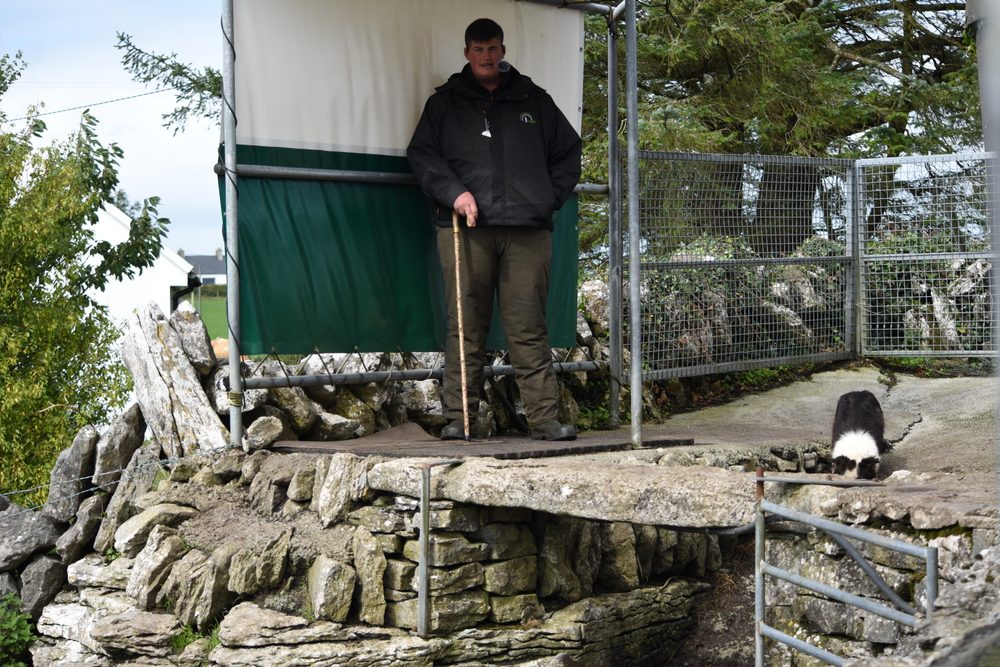
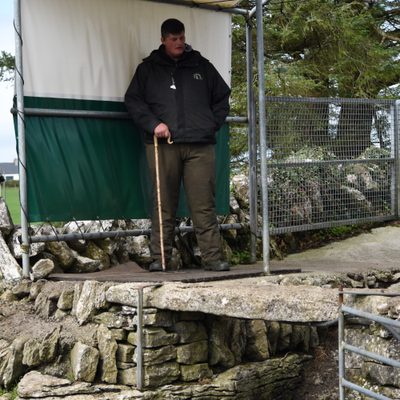
The demonstration takes place in a covered, weather-proofed terraced area that holds more than 110 people, reached on level tarmac from the visitor centre. You watch the whole thing from level ground, under cover. It's the working farm without the mud, and it works beautifully for visitors who aren't able for too much walking.
The dogs take the stage
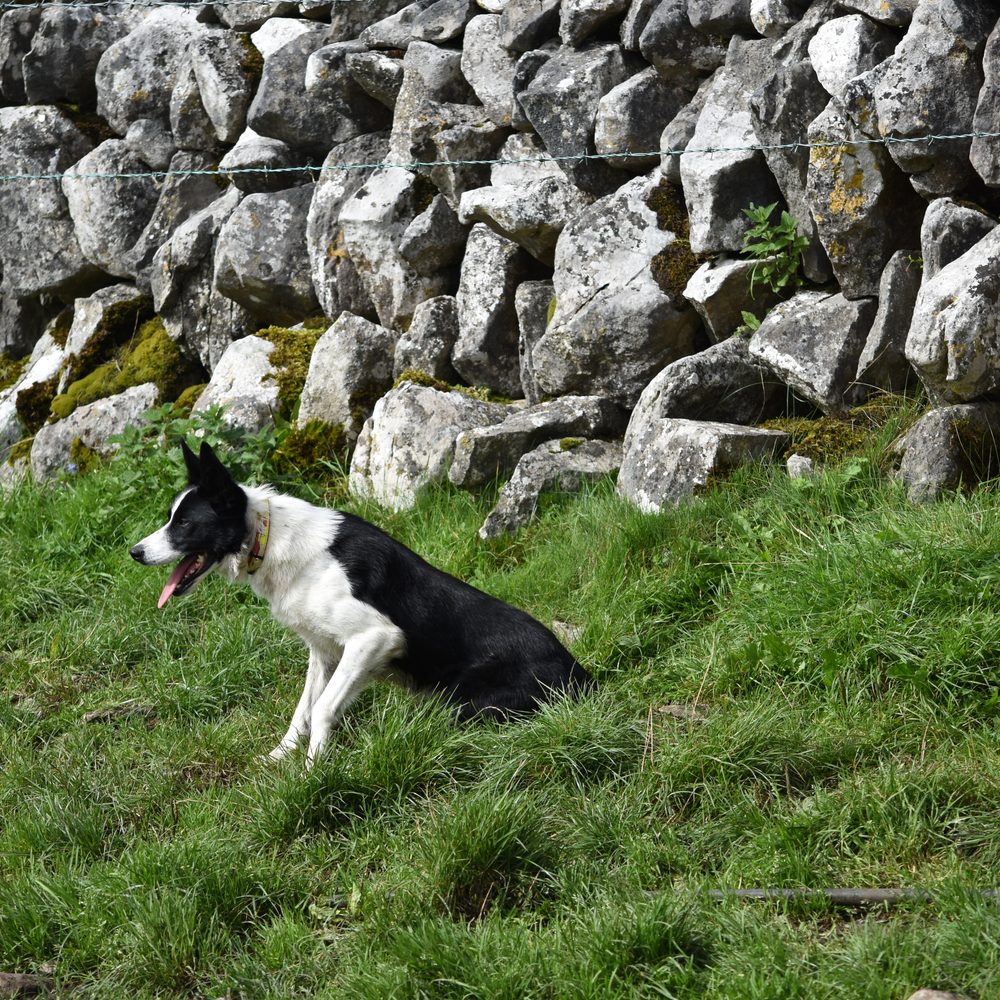
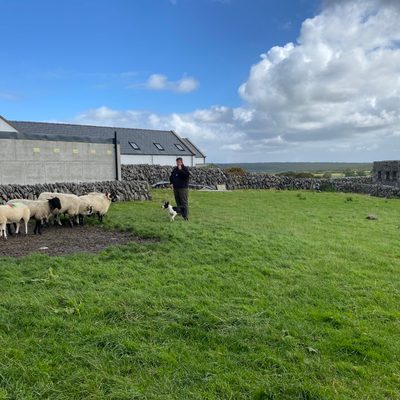
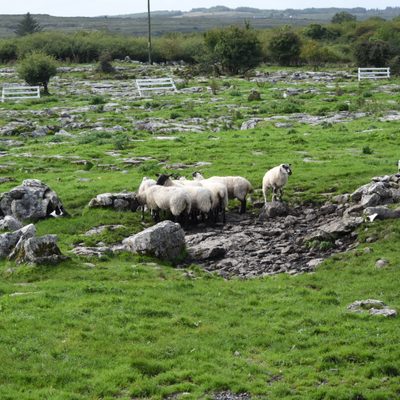
The shepherd brings the van up close to the arena, gives a whistle, opens the back door, and three border collies run out past the visitors and up to the field. They work the sheep on his voice and his whistle alone, and it's the speed that people comment on afterwards. Between the three of them there's always a bit of drama, and occasionally a bit of comedy, when one of them decides to do things her own way.
Meeting the dogs
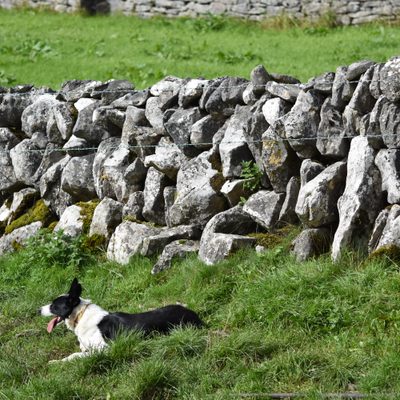
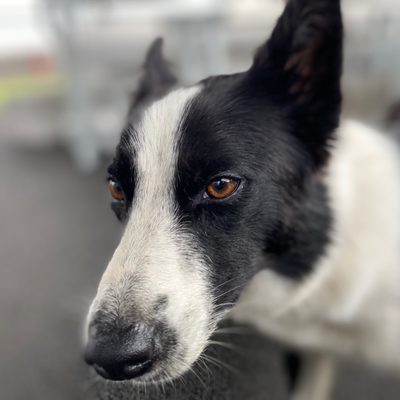
Afterwards there's time to meet the dogs and have your photograph taken with them, and in season, usually from around April until July or August, a chance to hold a lamb. Children are usually first in the queue, and grown-ups missing their own dogs at home are just as keen.
The fort and the visitor centre
The fort is a short walk from the visitor centre, on tarmac, and shorter than the walk back to the car park. Inside the walls, the story is told through the people who lived here: the O'Loughlin family, their silver ring, a pen that should have been in a monastery, and their connection to the Davoren family who still farm the land. The story comes in short pieces, so it holds everyone's attention.
The cafe, the craft shop and the patio
Finish with lunch or a coffee. The craft shop has replicas of the silver ring found on the site, along with the usual gifts, and on a fine day there's no better seat than the patio outside the cafe. That's the point at which a twenty minute stop turns into the couple of hours that Joan recommends.