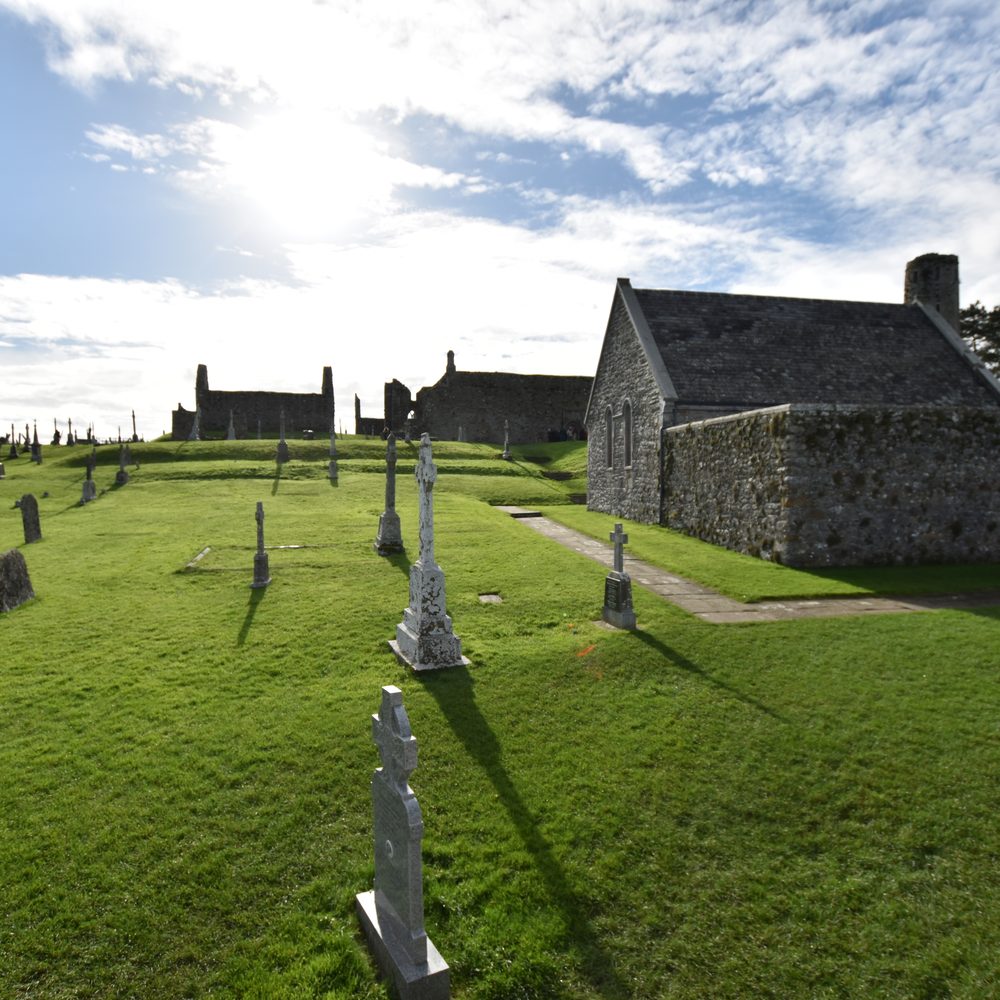
Sitting right on the banks of the River Shannon, Clonmacnoise is arguably Ireland's most important early Christian site. From the road it looks like a scattering of ruins, but up until the 13th century this was the central hub of Ireland's trade and religion. It's worth stopping for, as long as you dress for the wind and mind your footing on the uneven ground.
What's in this article
Jump to sections:
Photo Gallery

Why visit Clonmacnoise?
You'll pass plenty of roadside ruins on a drive across Ireland. If you are only going to stop for one of them, Clonmacnoise is it. Sitting on its own on the water's edge, this isn't the usual ten-minute photo stop. Clonmacnoise invites you to walk around and explore: stone churches, high crosses and round towers. Pull off the road, stretch your legs, and you get real history without the crowds you find at the city attractions.
The history of Clonmacnoise
St. Ciarán founded Clonmacnoise in 544, but it was never meant to be a place of quiet isolation. He built it in the dead centre of the country as, back when the river was effectively the motorway, whoever controlled that stretch of water had control of the region's travel and trade.
Of course, all that wealth and power drew attention. The monastery was raided and burned over and over: by Vikings, by rival Irish kings, and eventually by the Normans. Regardless, it was still going until the 13th century, then slowly went into decline.
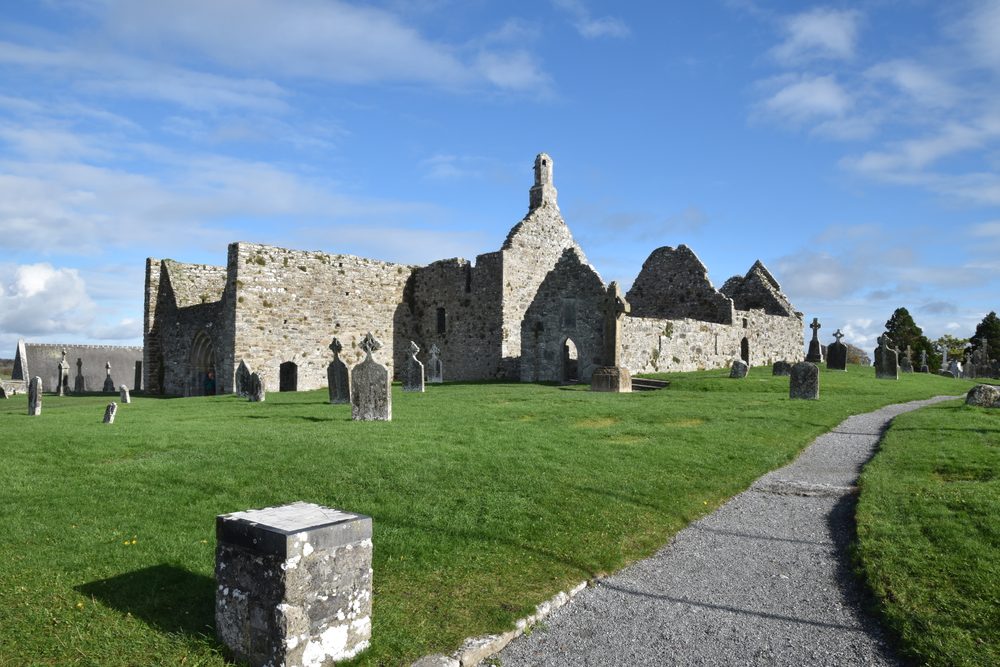
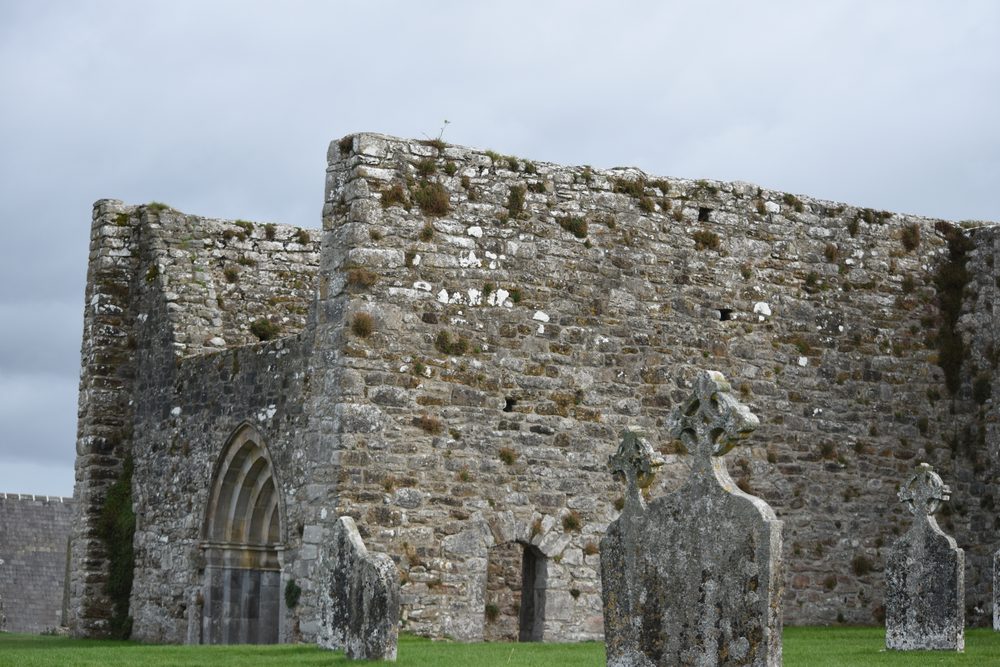
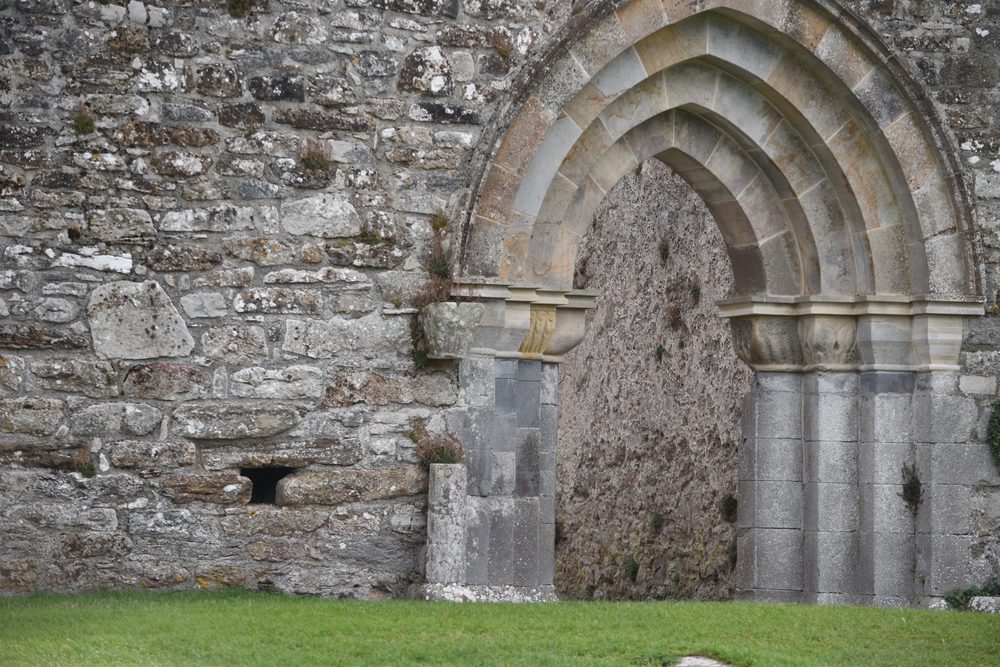
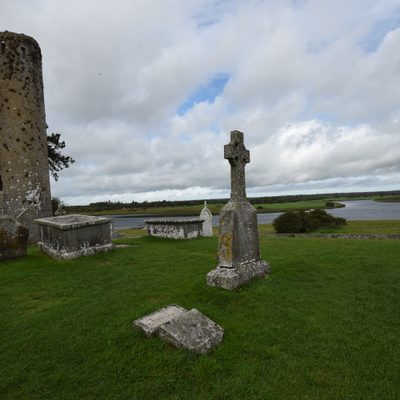
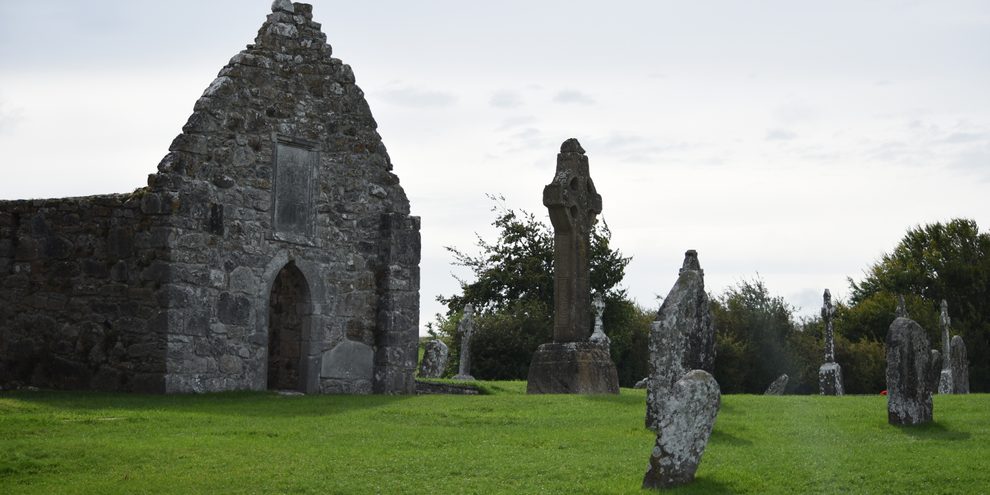
Today, you'll discover one of the best collections of early Christian buildings in Ireland. The ruined churches, the hundreds of grave slabs and the carved high crosses have stood proudly here for over a thousand years.
Essential visitor information
Time needed:
About 1.5 hoursOpening hours:
Closed to visitors until 1 January 2027. The carpark is fully closed for construction works, so there is currently no safe access to the site.Entry:
Adult €8, group or senior €6, child or student €4, family €20Getting there:
21 km from Athlone on the N62, or 20 km from Ballinasloe on the R357. Eircode N37 V292Kids:
While there is green space to explore, children must be kept away from the fragile stonework. With zero interactive exhibits, it is very much a "look don't touch" experience. Unless you've got history-loving teenagers in tow, this is one to treat as a quick leg-stretcher, rather than a family day out.Accessibility & facilities:
Car park, toilets including a wheelchair accessible toilet, baby changing, picnic area, bicycle parking, WiFi, cards acceptedWhat to bring:
A decent pair of shoes and a rain jacket. Clonmacnoise is open to the weather and the ground is uneven.
Considerations from the experts
Based on conversations with the team who guide our tours across the midlands, here is exactly what you need to know before you walk the site.
Weather & conditions:
Clonmacnoise sits right on the banks of the River Shannon and is exposed to the elements. Even on a dry day the wind coming off the water can be harsh, so bring a warm windproof layer whatever the season.Mobility & access:
The modern visitor centre is fully accessible, but the actual monastic site is a historic graveyard. The ground is grassy, uneven, and can get soft after heavy rain, making it tricky for wheelchairs or anybody unsteady on their feet.Families & groups:
Strollers can navigate the main paths easily enough, but weaving between the ruins is awkward. If you have young kids, keep an eye on them: running wild through the 1,000-year-old gravestones is frowned upon. To be honest, there's not much here to hold a child's attention, so keeping the visit as short as possible is your best bet.Photography:
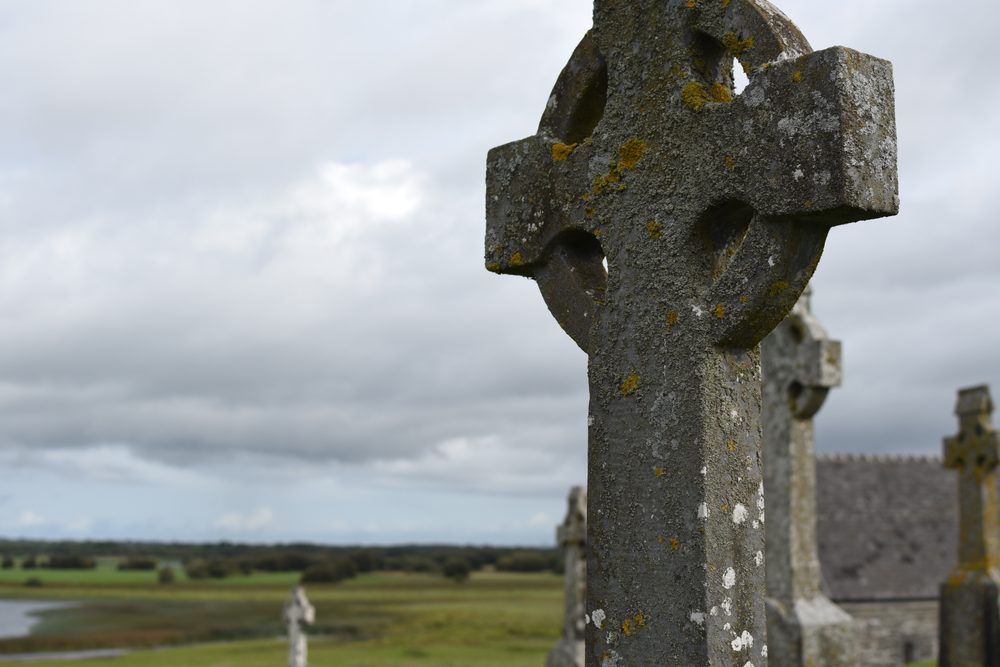
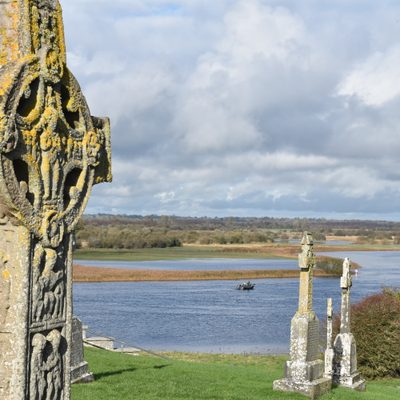
The high crosses make for great photos, especially with the river behind them. On our visit the clouds were sweeping back and forth quickly and it worked out pretty well: bright blue skies and a blanket of cloud giving the site two very different atmospheres.
Options and inclusions
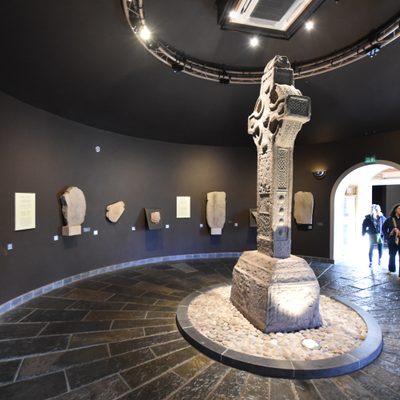
A ticket covers the visitor centre, the audiovisual exhibition and the outdoor site, where the original high crosses are kept indoors.
Guided tours are included with general admission and run as standard. If you are not with your own guide, join one; the guides do a good job of explaining exactly what happened here, which stops the site from just feeling like a collection of random ruins.
If you're visiting Clonmacnoise as part of a vacation with My Ireland Tour, your entry is included in your tour price. If you're travelling independently, you can check opening times and admission directly on the official site .
A step-by-step walkthrough of Clonmacnoise
The site is compact and open, but there's a natural flow to the buildings. If you're wandering it unguided, here's the best route to take.
Arrival & The River Shannon Setting
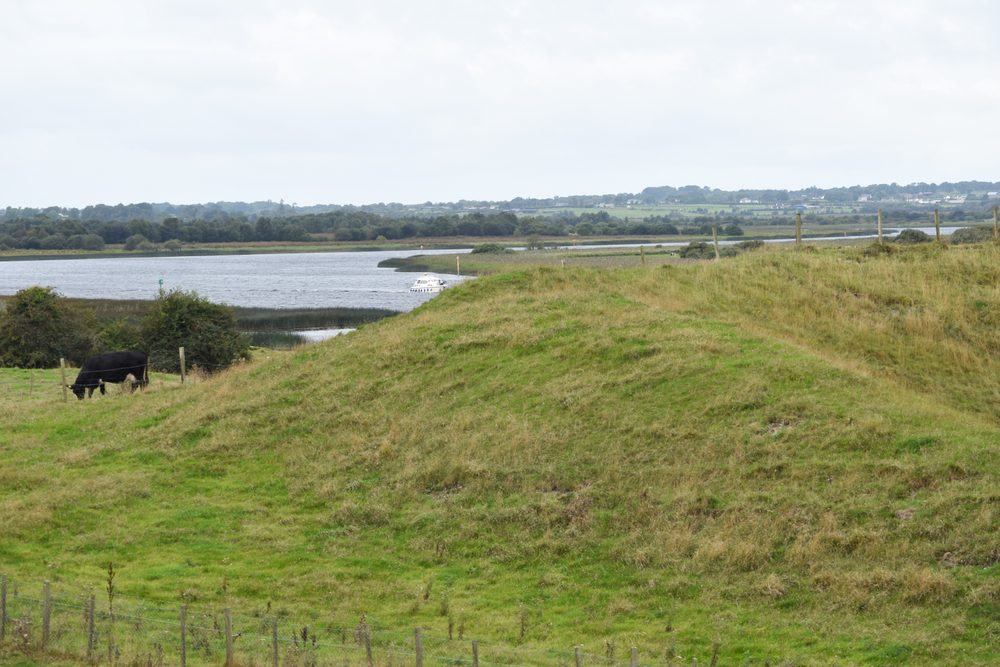
Before you start the tour, take in the surrounding landscape, especially the river. Clonmacnoise was built here specifically because the Shannon was the main artery of 6th-century Ireland, and understanding that geography gives the ruins a lot more context.
The High Crosses
Inside the visitor centre you'll find the original 9th and 10th-century high crosses, kept out of the weather. Replicas stand outside in the graveyard where the originals once did, including a replica of the North Cross. The carving on the originals is what people come to see.
The Cathedral Ruins
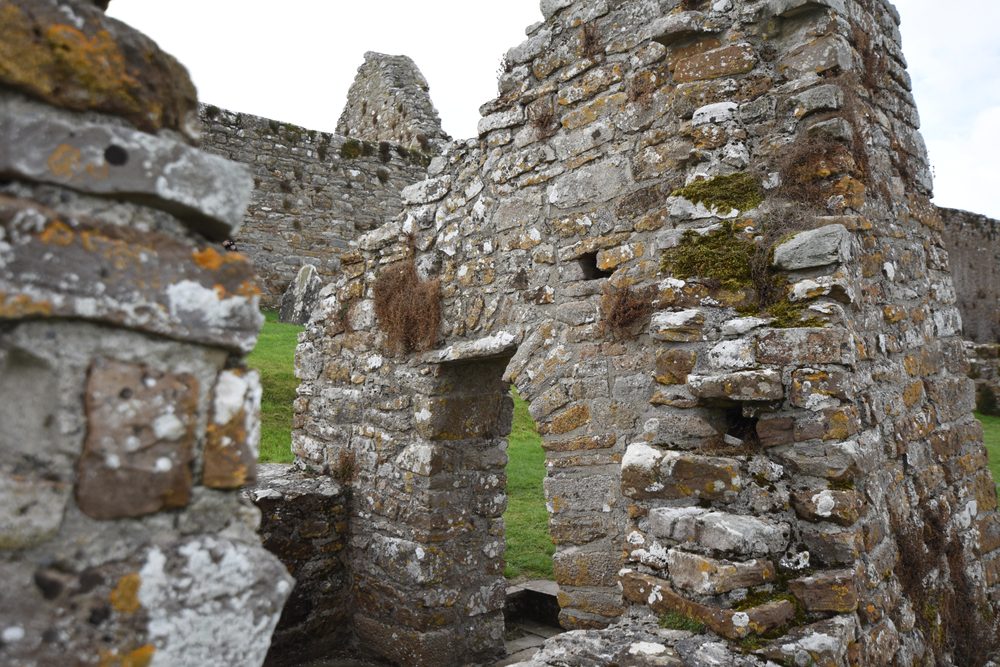
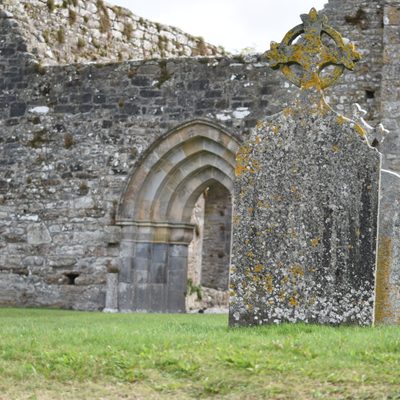
Head out into the grounds to the Cathedral, the largest ruin on the site, and the burial place of Rory O'Connor, the last High King of Ireland. Put your ear to the whispering arch, and inspect the weathered walls that have survived constant waves of Norman and Viking attacks.
The Stone Churches
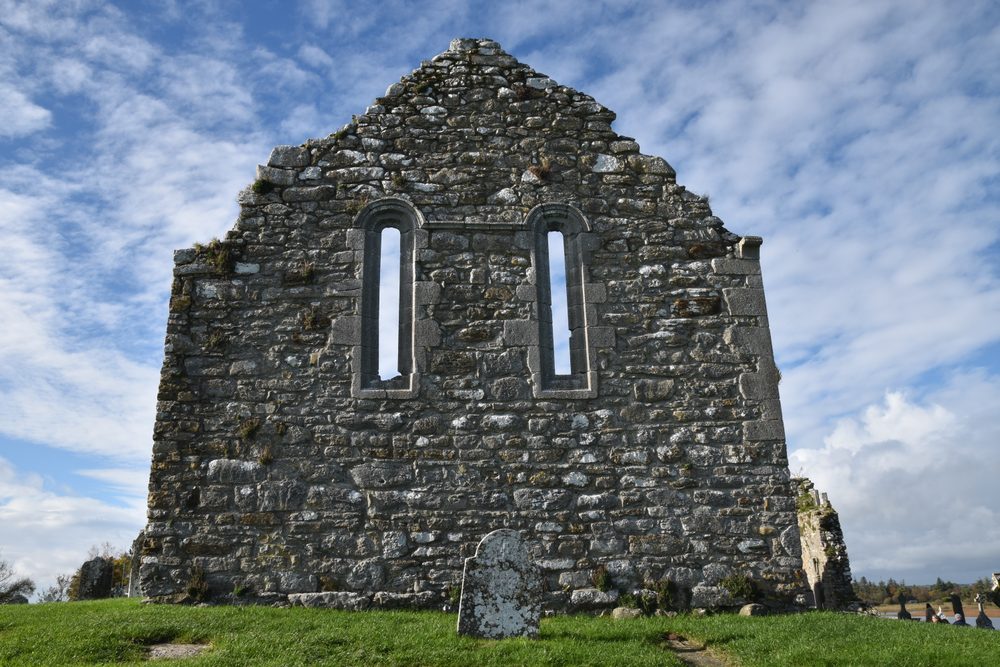
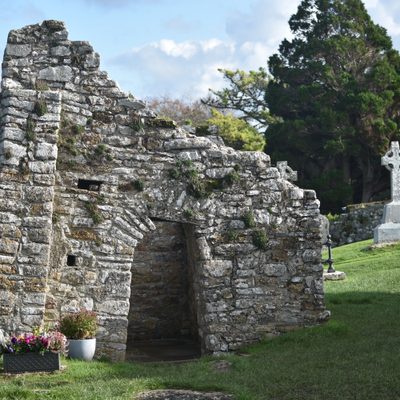
Explore the stone shells of the smaller churches clustered around the Cathedral. The most famous is the tiny Temple of Ciarán, the burial place of the site's founder, where visitors still leave flowers to this day.
The Ancient Grave Slabs
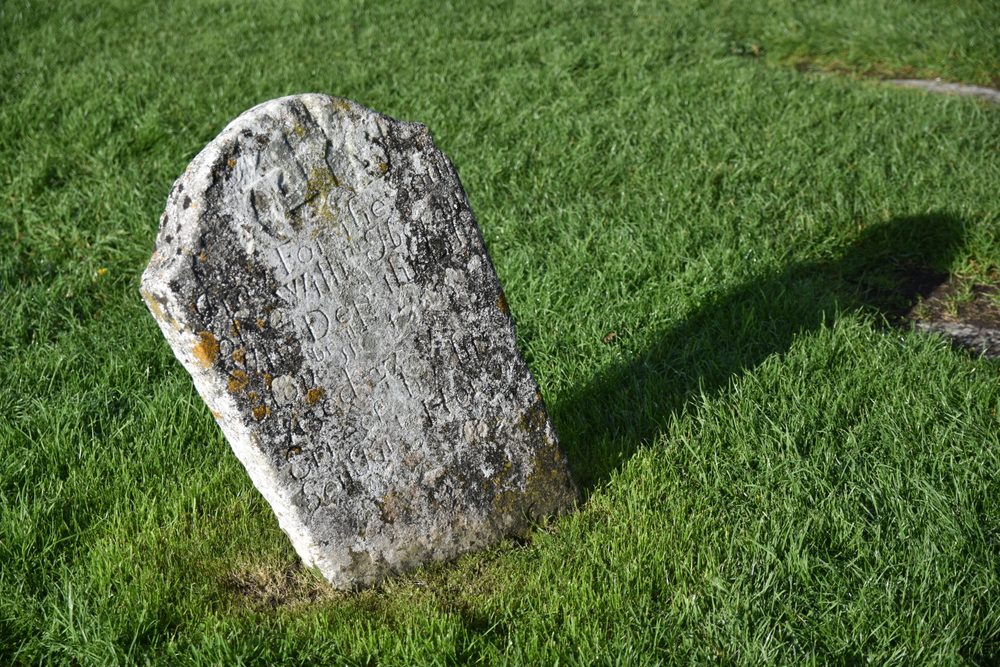
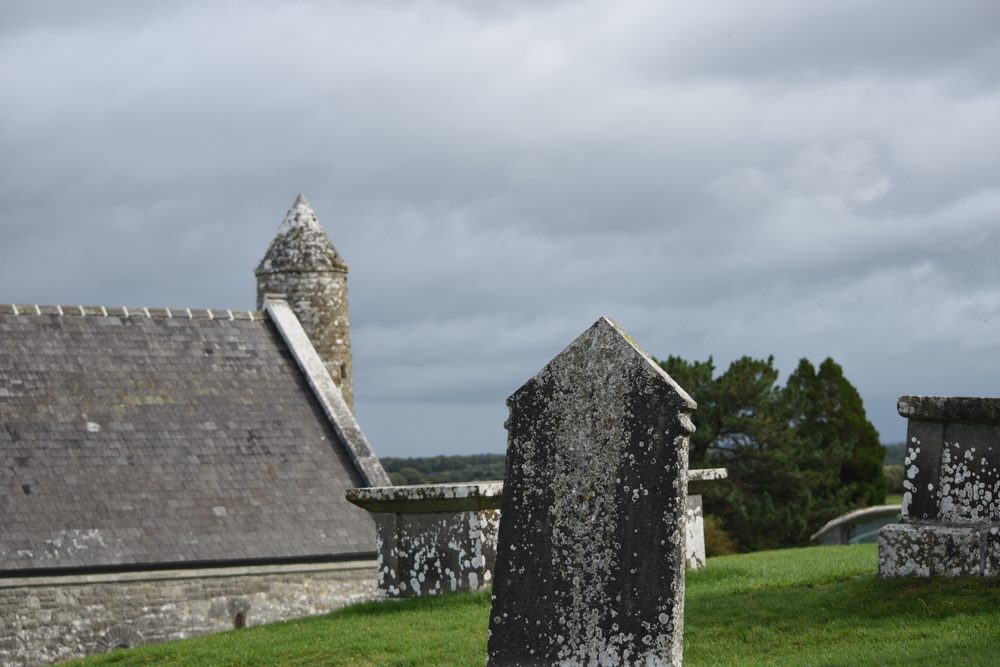
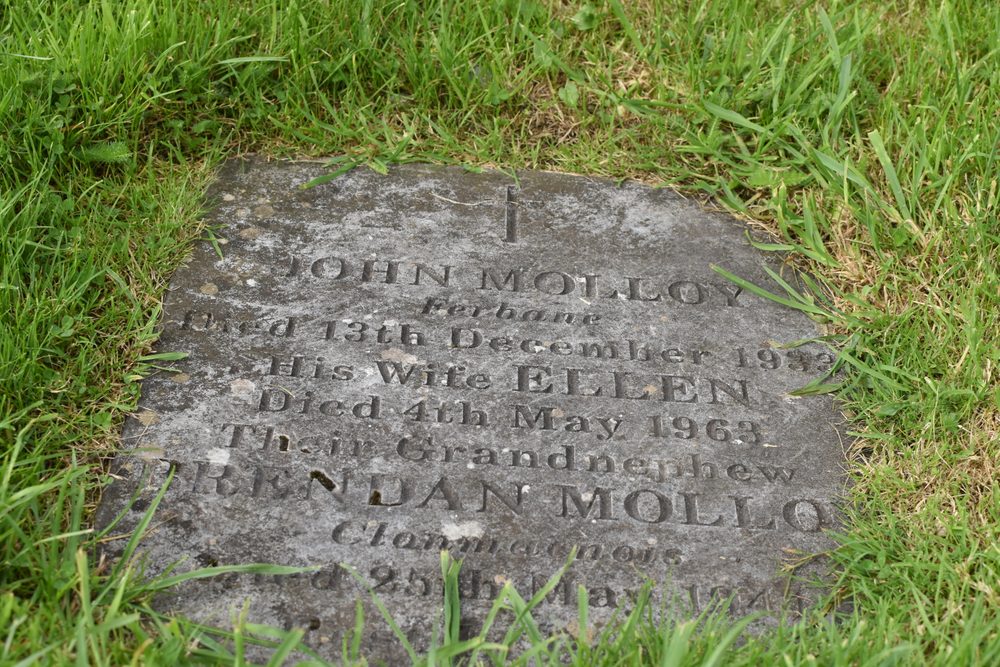
As you navigate the ruins, you are walking over the resting places of monks, scholars and high kings. The stones still out on the grass have taken a beating over the centuries, which is why the site's most intricately engraved slabs (over 700 of them) have all been moved indoors to save them from the Irish weather.
The Round Towers
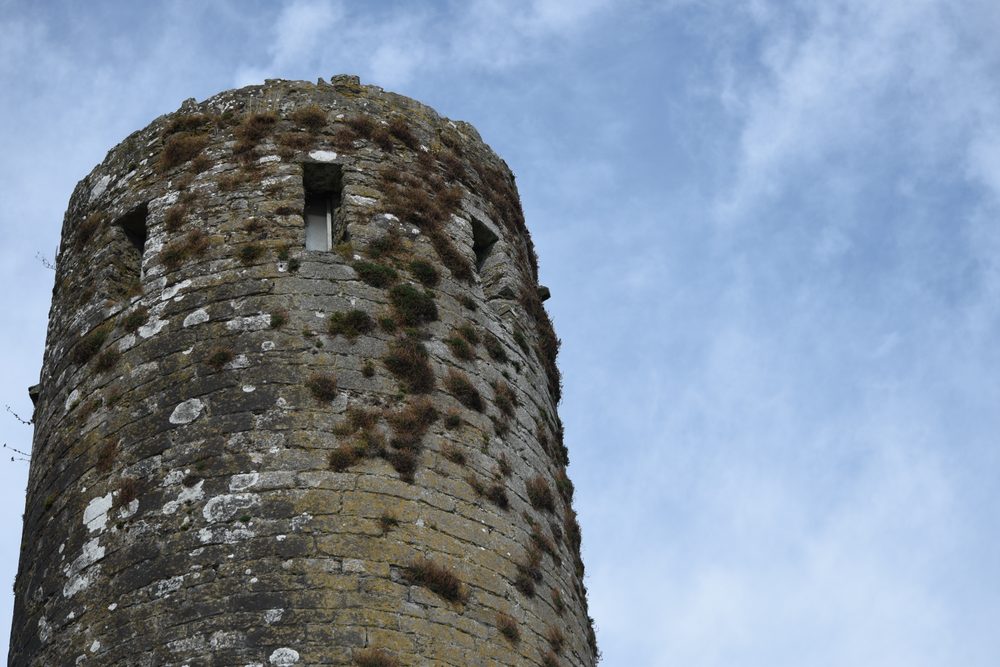
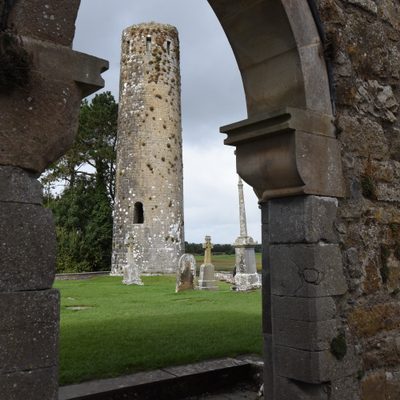
Finish your loop at the round towers. The main one, O'Rourke's Tower, was built around 1124 and lost its top third to a lightning strike in 1135. The second stands attached to St. Finghin's Church. Both were built as bell towers, and the doorways are high off the ground for a very practical reason: they are thought to have acted as safe houses where monks could pull the ladders up when the site came under attack.
Clonmacnoise in pictures


Where to Eat & Drink Nearby
There is no sit-down restaurant on site. While the main visitor centre is being redeveloped until 1 January 2027, a temporary service runs with picnic tables outside, offering coffee and snacks rather than lunch. Athlone is your closest proper sit-down meal, thirty minutes north. But if your next stop is Dublin (an hour and a half east) or Galway (the same to the west), the food in either city is absolutely worth holding out for.
If you are travelling across the midlands from Dublin city to Galway city, Clonmacnoise is the perfect halfway point. After stretching your legs among the ruins, you are back on the M6 and on your way.