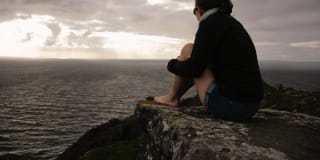
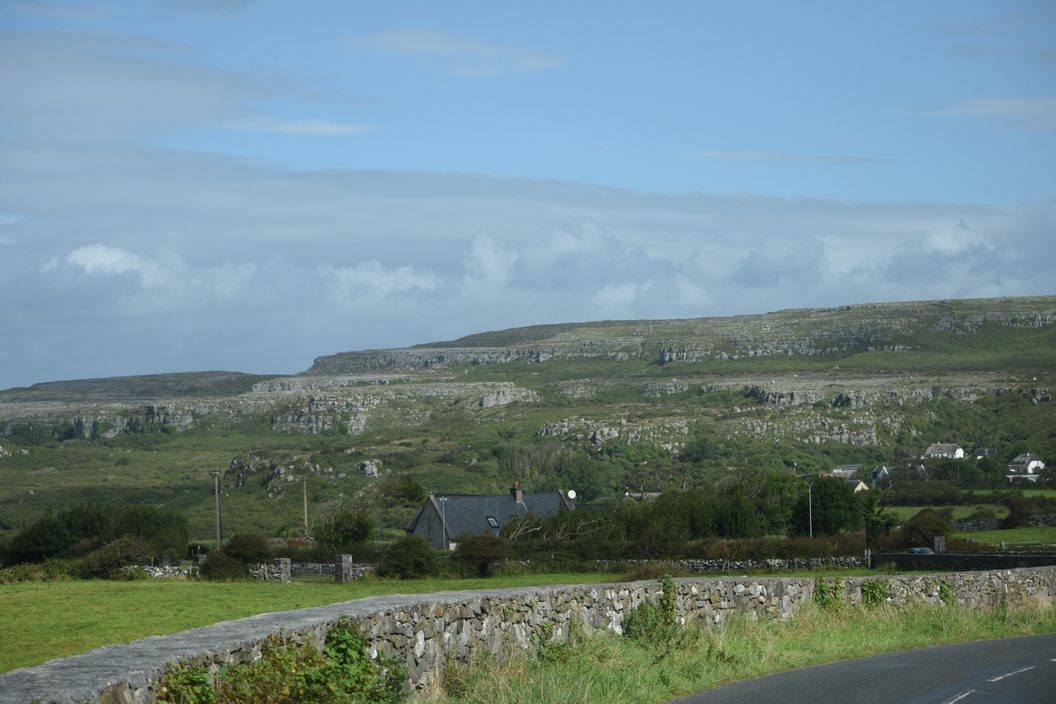
Covering much of north County Clare, the Burren is a wide stretch of exposed grey limestone. Because it's open countryside, and not a single walled-off site, how much you explore is completely up to you. This guide covers how to navigate the coastal route, where to stop, and exactly what you need to know before you go.
What's in this article
Jump to sections:
Why visit the Burren?
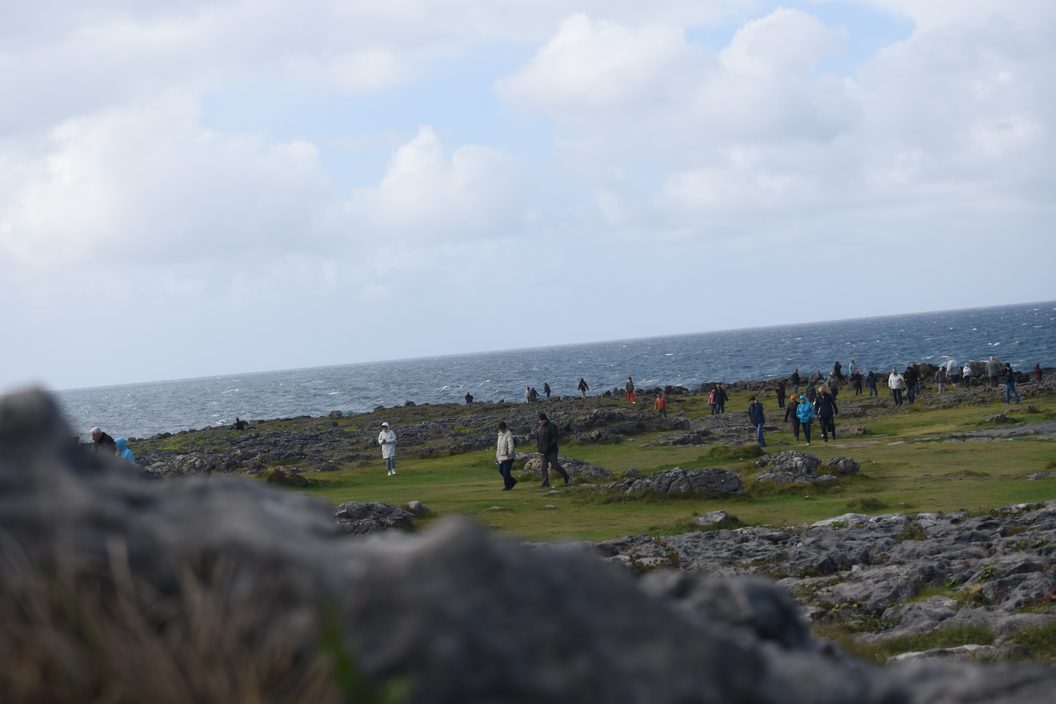
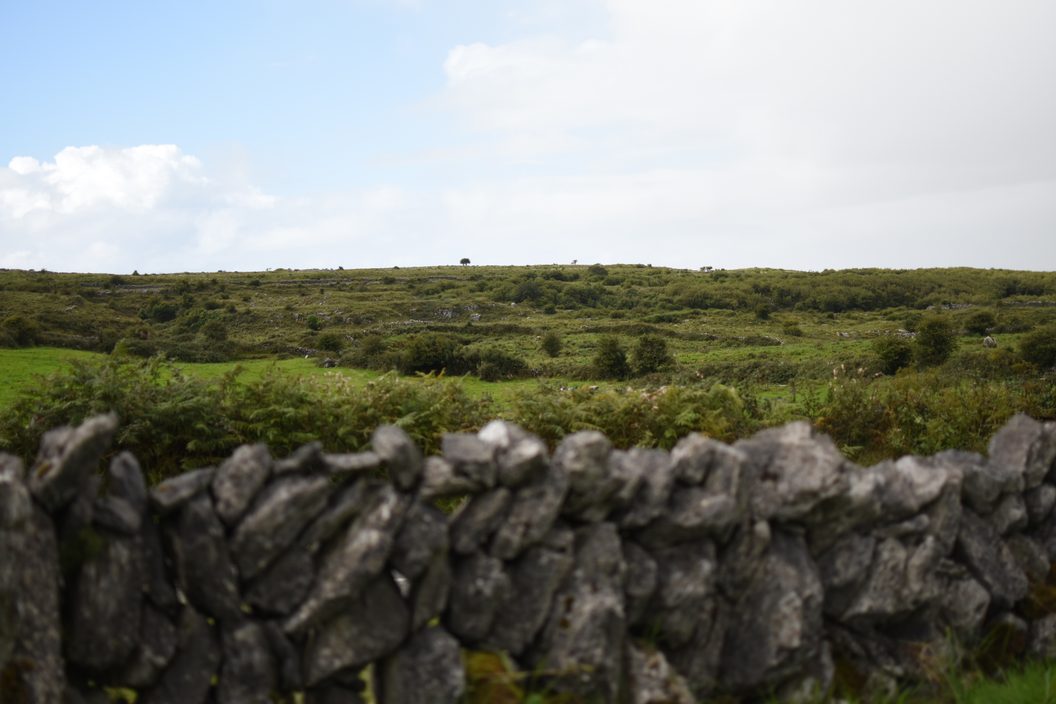
There's nothing else like the Burren in Ireland, where bare limestone spreads out almost like the surface of the moon. The further away you get from the main roads, the quieter and more isolated it gets, feeling like you're nearing the edge of the world. Stop along the coast road and you get Atlantic views, rare wildflowers, and ancient monuments standing right out in the open.
The history of the Burren
The limestone here formed under a warm sea over hundreds of millions of years. Glaciers and early farming later shaped the ground and cleared much of the cover away, resulting in the bare rock you see today. People have used this ground for nearly 6,000 years, leaving behind megalithic tombs like Poulnabrone, as well as a collection of abbey ruins and stone forts.
Centuries later, the barren landscape still shocked those who visited it. The most famous summary of the Burren's bleakness comes from a Cromwellian surveyor in the 1650s: "neither water enough to drown a man, nor a tree to hang him, nor soil enough to bury him."
Essential visitor information
Time needed:
Allow about two to three hours. This is enough time to head along the coast road and make a few stops to walk the limestone or visit Poulnabrone Dolmen without having to rush.Best time to visit:
May to September offers the most reliable weather and the best chance to see the Burren's unique wildflowers in bloom.Opening hours:
The Burren itself is an open landscape accessible 24 hours a day. However, dedicated sites like Caherconnell Stone Fort or the Aillwee Burren Experience operate standard seasonal visitor hours (usually 10am to 5pm).Tickets & entry:
Travelling throughout the Burren is totally free, including visiting Poulnabrone Dolmen. You only need to pay admission if you visit the private attractions like the caves or the sheepdog demonstrations.Getting there:
The Burren sits in north County Clare. The N67 runs through it from Kinvara and Ballyvaughan, and the R476 from Ennis joins it at Lisdoonvarna. The R477 is the scenic coast road.Kids:
Perfect for older children to burn off some energy, but not suitable for toddlers or smaller kids who need constant supervision.Accessibility & facilities:
Not suitable for wheelchairs or anyone unsteady on their feet. The main visitor centres at Aillwee and Caherconnell are the exception, with accessible toilets and level paths.What to bring:
Sturdy, flat shoes on the uneven limestone. Leave any heels or sandals behind.Weather & clothing:
The Burren is open and exposed. There is little to no shelter once you get out and about, and Atlantic weather can change fast. Bring a windproof, waterproof outer layer even on a bright summer day.
Options and inclusions
You can spend an entire afternoon travelling the coastal route and wandering across the open limestone for free. If you'd like a more structured stop, there are several ticketed sites dotted across the landscape, including underground cave tours and medieval forts.
If you are travelling with My Ireland Tour, the Burren appears on several west-of-Ireland itineraries. Exact stops vary by tour, so check the day-by-day schedule or ask your driver-guide about the places and activities included.
A step-by-step walkthrough of the Burren
There's no single set route through the Burren, since it's open countryside rather than one enclosed site. Heading along the coast naturally brings you past the main features worth keeping an eye out for.
Navigating the limestone surface
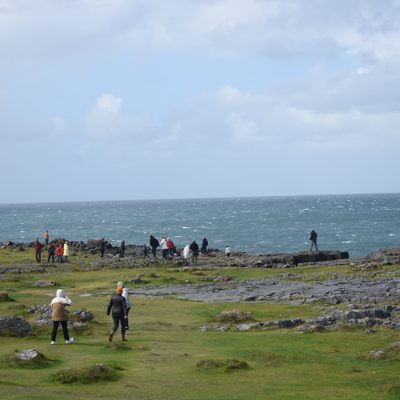
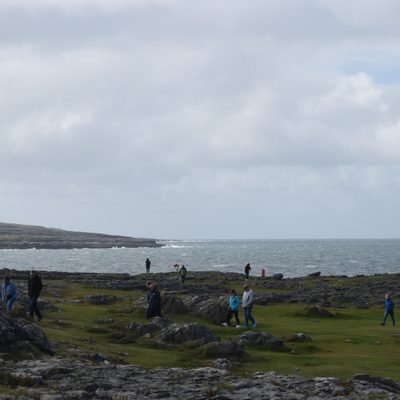
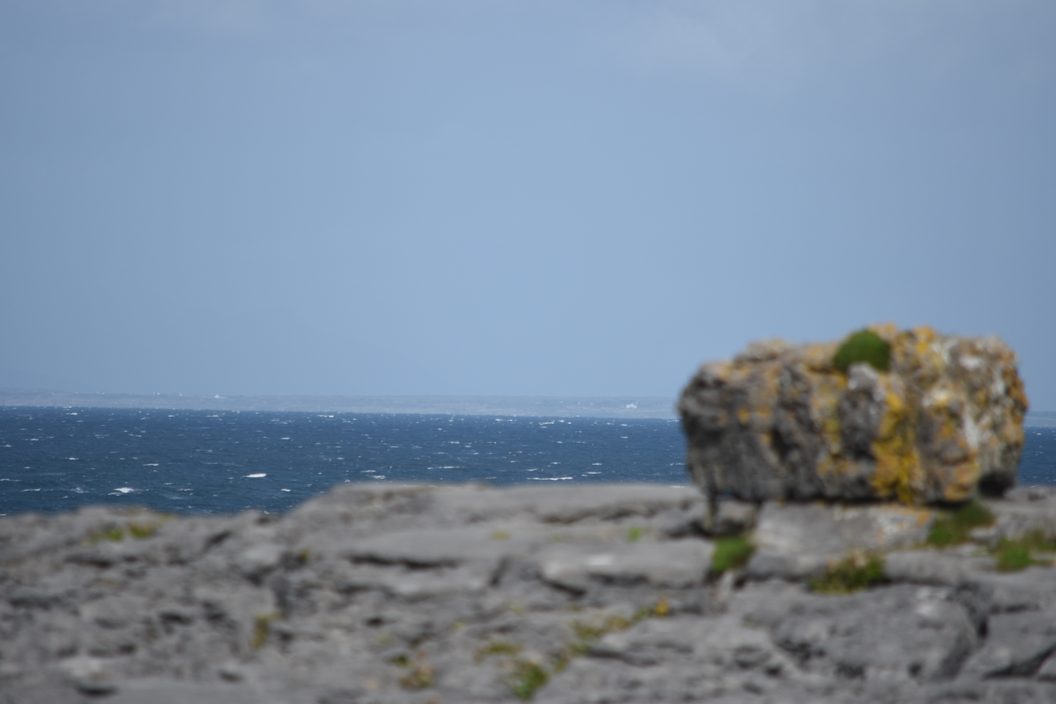
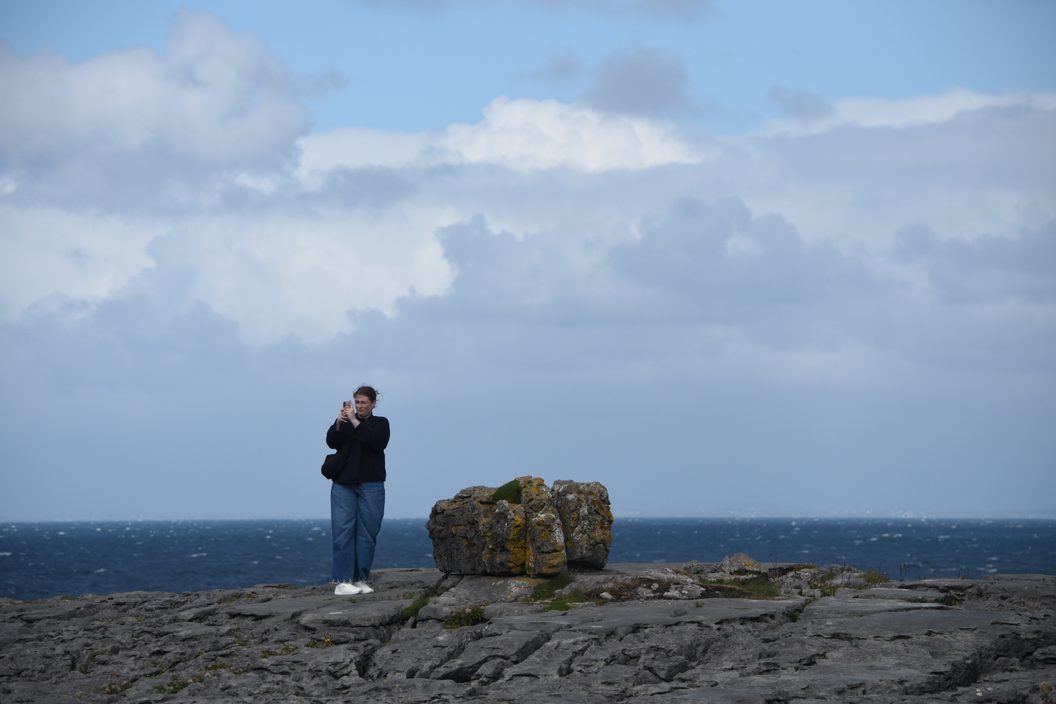
The ground here is bare limestone split by deep cracks and flat slabs. It is open to walk on, though rough and uneven underfoot, so watch your step as you move across it.
Spotting the rare flora
While the 360 views are stunning, don't just gaze out at the horizon. Look down into the cracks in the limestone, where unusual little plants tuck away out of the wind and cold.
Poulnabrone Dolmen
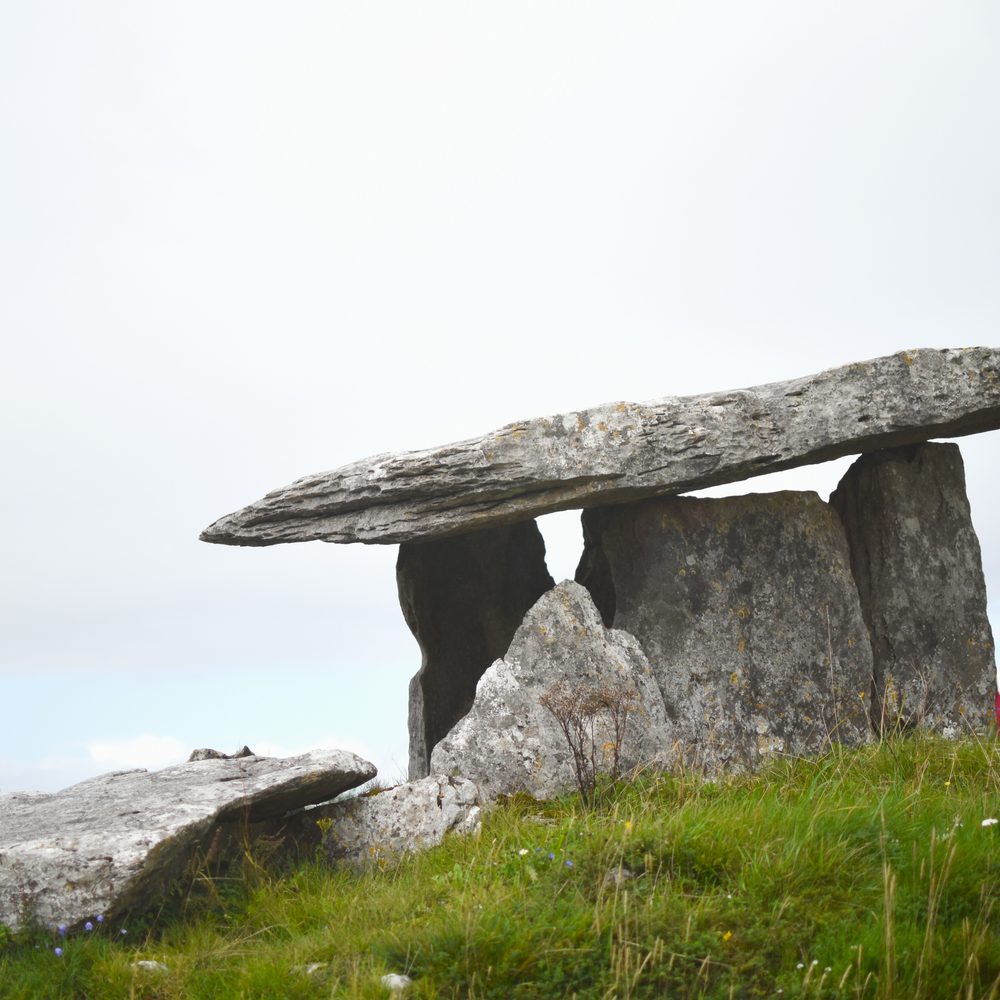
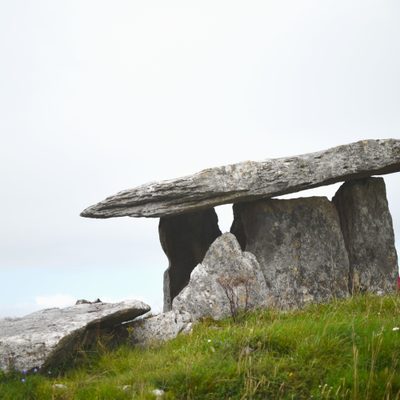
Sitting out on the bare rock is one of Ireland's oldest known stone tombs, built around 5,800 years ago. Excavations in the 1980s found the remains of more than thirty people inside. A rope barrier keeps people a few metres back to protect the stone, but you can still walk around it to see its large capstone clearly.
Caherconnell Stone Fort
Just south of the dolmen sits Caherconnell, a ringfort with thick circular walls, occupied from the 10th century into the 13th. It gives a straightforward look at how local farmers defended themselves and their livestock in this open, exposed countryside. It is also home to the sheepdog demonstrations, which we cover in our Caherconnell Sheepdog Demonstrations guide.
The underground cave network
Rainwater slowly wearing away the limestone has left a network of caves below ground. You can visit Aillwee Cave and Doolin Cave to head inside and see the stalagmites, stalactites and underground waterfalls.
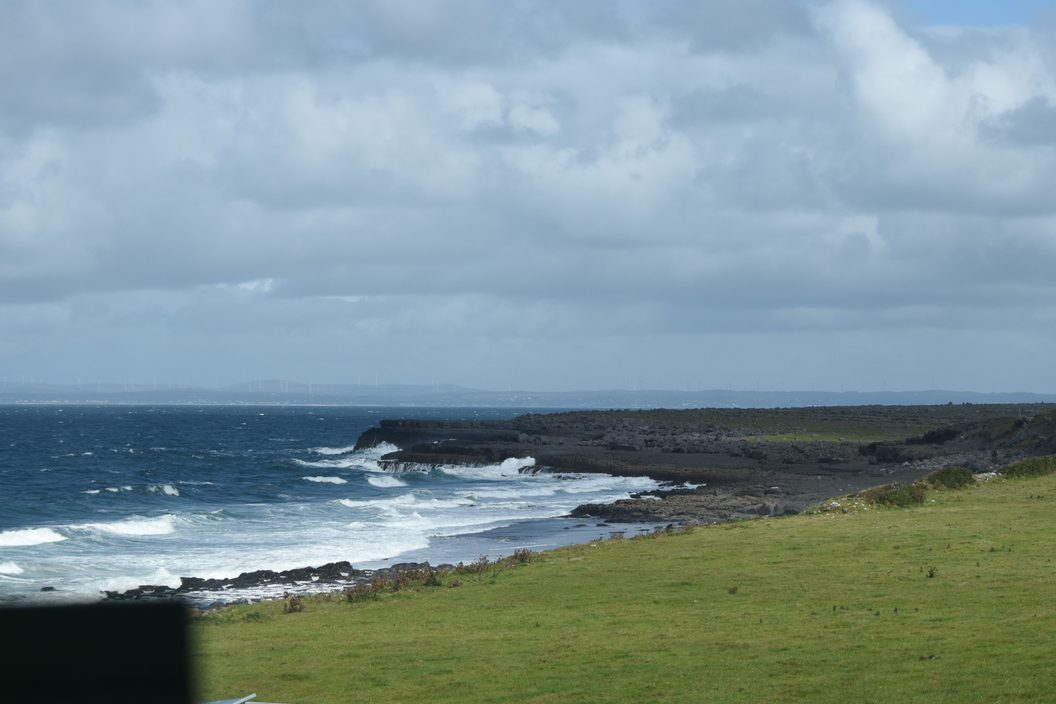
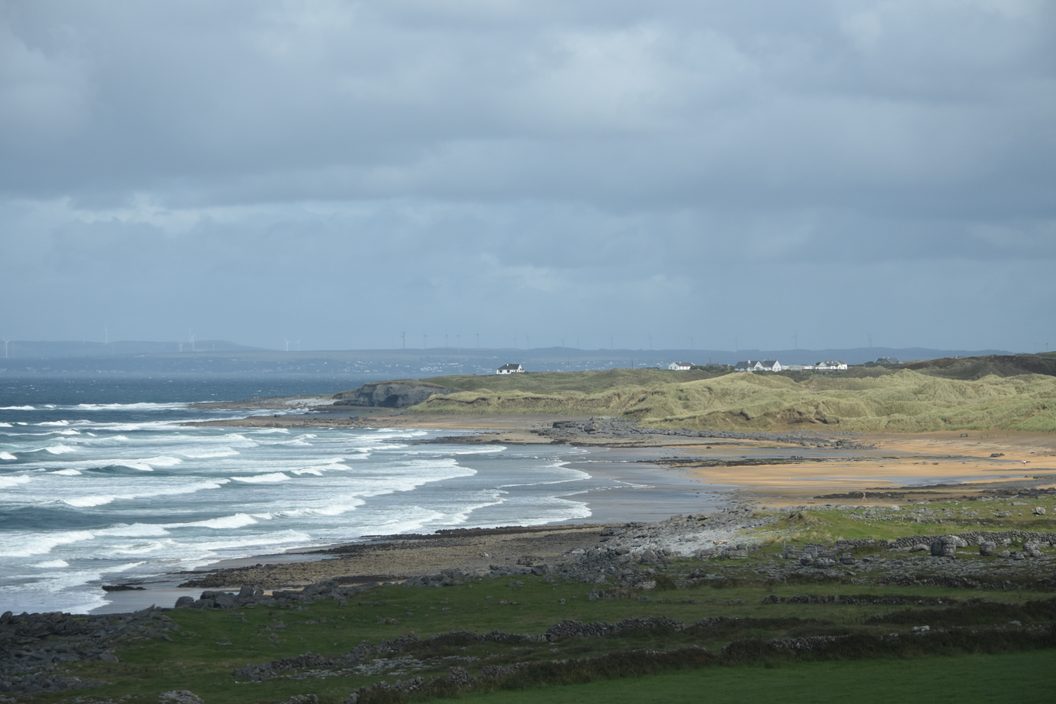
The coastal edge
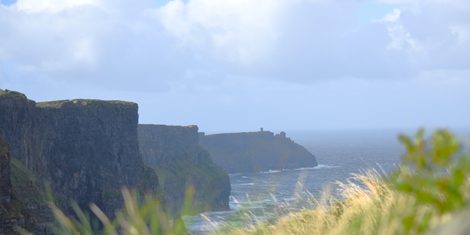
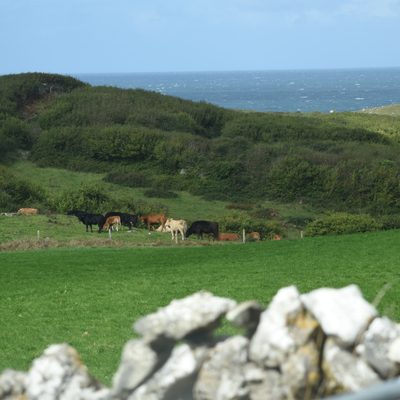
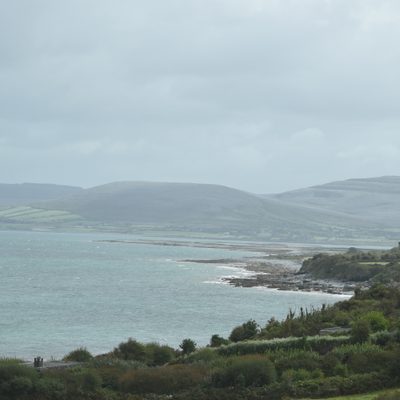
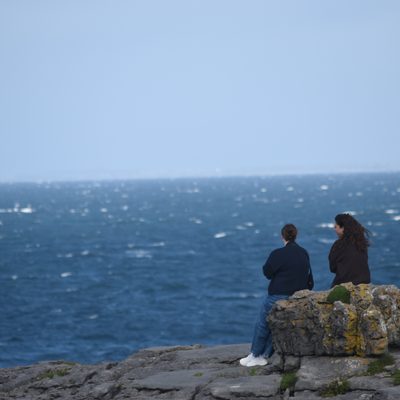
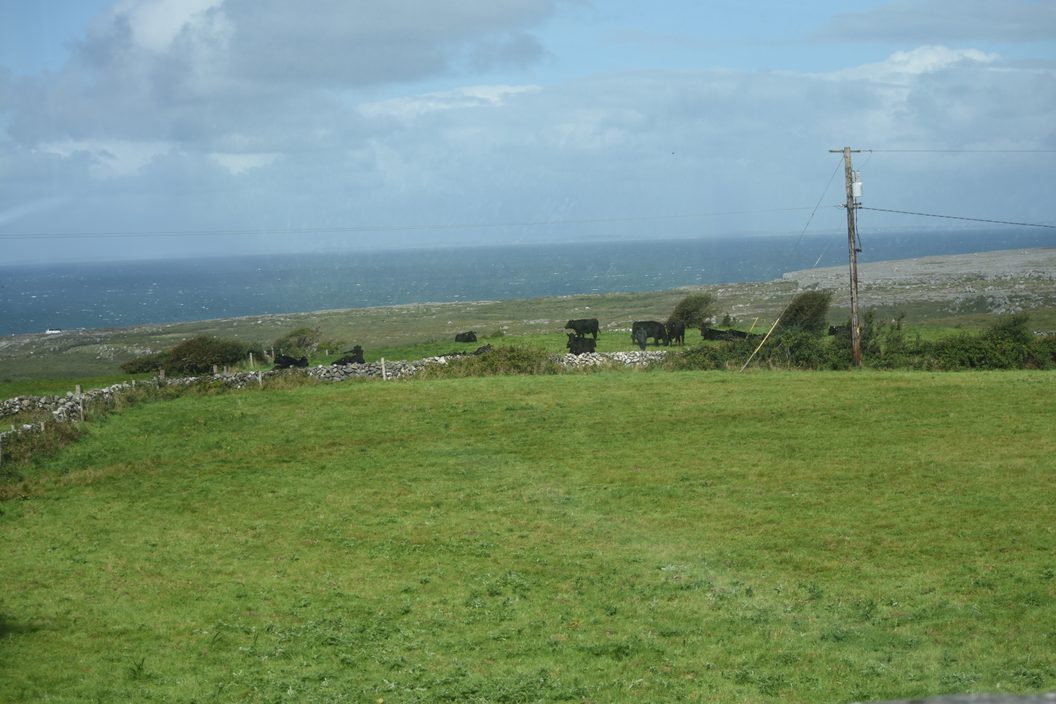
The limestone keeps going right down to the sea. Follow the R477 around Black Head, a rugged limestone headland at the northwest tip of the Burren, for views of the rock meeting the Atlantic. On a clear day, you can see Galway city straight across Galway Bay.
The Burren in pictures
Where to Eat & Drink Nearby
As the Burren is a protected natural landscape, you won't find restaurants out on the limestone itself. However, the villages surrounding the national park are well set up for lunch stops.
If you're heading south towards the Cliffs of Moher, Kilfenora and Doolin are both within twenty minutes of the open limestone. Here, you'll find pub lunches, cafes, and a chance to sit indoors after being out in the elements. If you're on the way to Galway city, and can hold out for about an hour, you'll reach one of Ireland's best-loved food destinations.